
Printable worksheet
What Can We Learn from a Leaf Surface?
QuizScienceGrade 3English

Practise more with these
Picked by meaning from games, worksheets, simulations, teacher tools and videos.
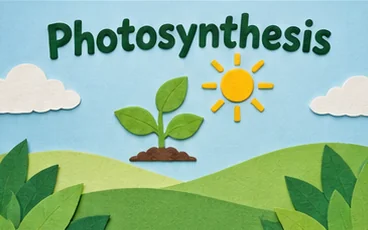 GamePhotosynthesis and Respiration in Balance
 GameA Schoolyard Biodiversity Survey
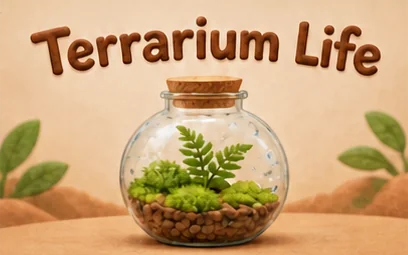 GameA Terrarium Has Connected Living Needs
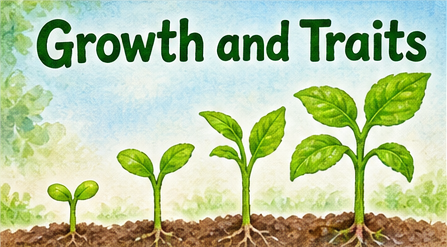 GameGrowth, Inheritance and Environment
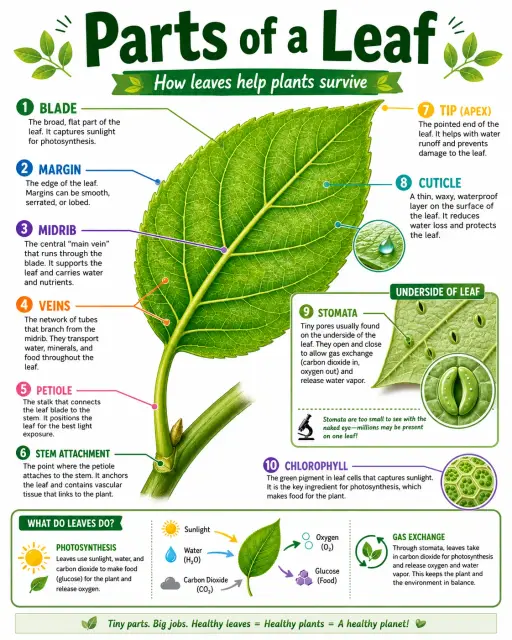 WorksheetParts of a Leaf Infographic
 VideoPhotosynthesis: how plants make their own food
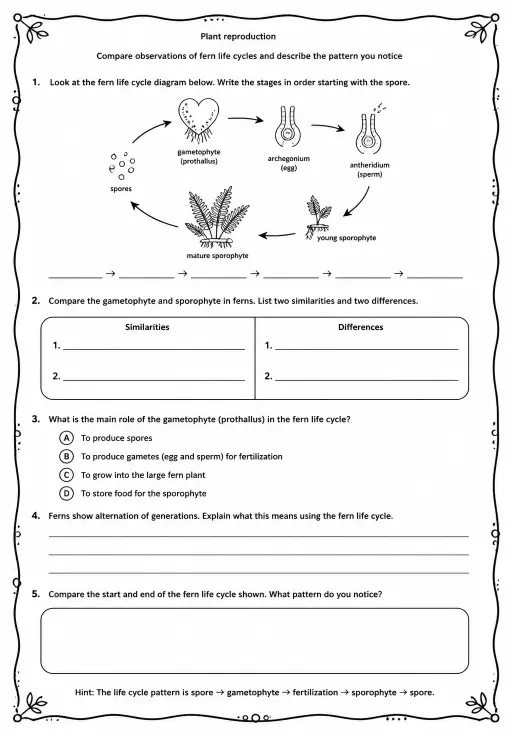 WorksheetCompare observations of fern life cycles and describe the pattern you notice
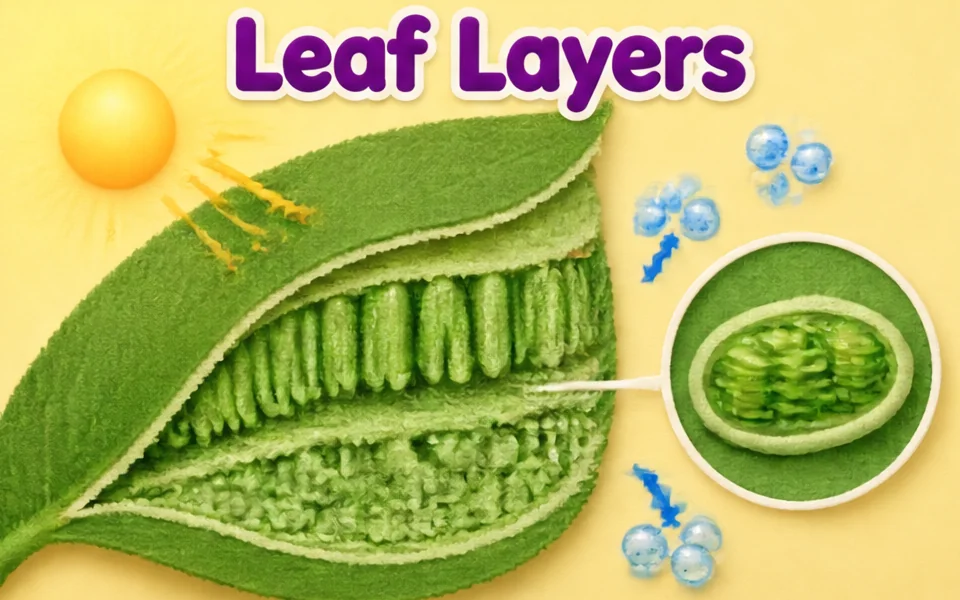 SimulationPhotosynthesis Explorer
On this sheet
The words and questions from the game
- 1Enlarged leaf image A is described as showing tiny pores between paired guard cells. What are the pores called?Stomata · Petals · Seeds · Roots
- 2A statement about every leaf surface can be proved by looking at one leaf.True · False
- 3The supplied description of sample X shows 12 pores in a fixed area; sample Y shows 4 in the same area. Which has more observed pores per sampled area?Y · X · They are equal · Neither sample has any pores.
- 4Order these magnification levels from lowest to highest.
- 5One enlarged image shows a pore open; another shows its gap almost closed. What difference is directly described?The plant’s age · The mass of the whole plant · The plant’s happiness · The size of the pore opening
- 6Listen to the image notes. Which comparison is supported?The lower sample had no pores. · Every plant has pores only underneath · More pores were observed in the lower sample · The upper sample had no pores
- 7In light, a photosynthesising leaf needs carbon dioxide from the surrounding air. Which structure can provide a route for gas exchange?The outside of a plant label · A closed seed packet · An open stoma · A closed cardboard storage box
- 8Gas exchange through leaf openings means the leaf never needs water from its roots.True · False
- 9In a supplied model, opening pores increases exchange with dry air. Which loss can increase?Loss of whole roots through pores · Water vapour loss must decrease when the pores open. · Loss of all leaf cells instantly · Water vapour loss
- 10A pore is closed in the supplied drawing. What conclusion stays within the evidence?That pore is closed at the pictured time · The plant's total water loss has been measured as exactly zero. · The plant has no living cells · All pores remain closed forever
- 11Two similar cut leaves are kept at the same temperature and light. One lower surface is coated; the other is uncoated. Why keep the conditions similar?To make the coating disappear · To reduce alternative explanations for different water loss · To guarantee identical results · To make water loss impossible in both leaves
- 12Listen to the results. Which conclusion is supported?The coated leaf lost less water in this test · All plants lose water only underneath · The uncoated leaf lost less water in this test. · Coating always improves plant health
- 13A coating experiment measuring only water loss directly measures carbon dioxide uptake too.True · False
- 14A learner coats one leaf and also moves it into shade. Why is the effect of coating uncertain?Two changes make the effect certain · Both coating and light changed · Only the leaf’s name changed · Moving to shade cannot affect any leaf process.
- 15What would improve confidence in a lower-water-loss result?Discard every result that differs · Test only a different room colour · Keep only the most extreme result and ignore the rest. · Repeat with several comparable leaves in each condition
- 16Order these dated observations from earliest to latest.
- 17A class observes many lower-surface pores and lower water loss after lower-surface coating. Which interpretation is appropriately limited?The coating result proves all water loss occurs through roots. · They prove roots are unnecessary · Lower-surface openings may contribute to water loss. · They prove all gas exchange has stopped
- 18Which next measurement directly checks a claim about carbon dioxide exchange rather than only water loss?Measure only tray width · Record only the colour of the watering can. · Count pot colours · Measure carbon dioxide concentration change under stated conditions
About this worksheet
A printable worksheet made from the KiwiBee game “What Can We Learn from a Leaf Surface?”. Open it in the free Worksheet Studio to choose the design and the sheet type, then print it or save a PDF.
A 24-question progressive quiz connecting three skills through explicit observations, data and scenarios.
- ms 158
- biology
- compare leaf surface structures in supplied enlarged images
- connect tiny openings to exchange with the air
- interpret a controlled leaf covering observation without overclaiming
 Home
 All solutions
 Pricing
 About us
 KiwiBee for Non-profits
 Events & webinars
 For big organisations
 For schools
 For centers
 For team leaders
 For teachers
 Resources
 Printable worksheets
 Interactive simulations
 Teacher tools
 Ideas and research


Comments