ICTGrades 3–8
KiwiBee uses optional Google Analytics, Google Ads, and Meta Pixel cookies to understand adult visitors, measure completed sign-ups, and improve campaigns. Essential cookies always stay on. OpenAI’s ChatGPT Ads Pixel also measures page views and completed enquiries after advertising consent, and may use hashed contact details for matching. Privacy policy

Picked by meaning from games, worksheets, simulations, teacher tools and videos.
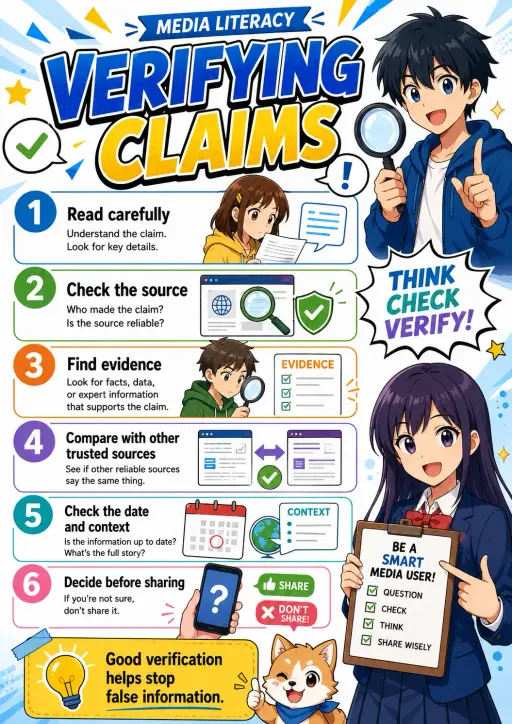 WorksheetMedia Literacy: Six Steps for Verifying Claims
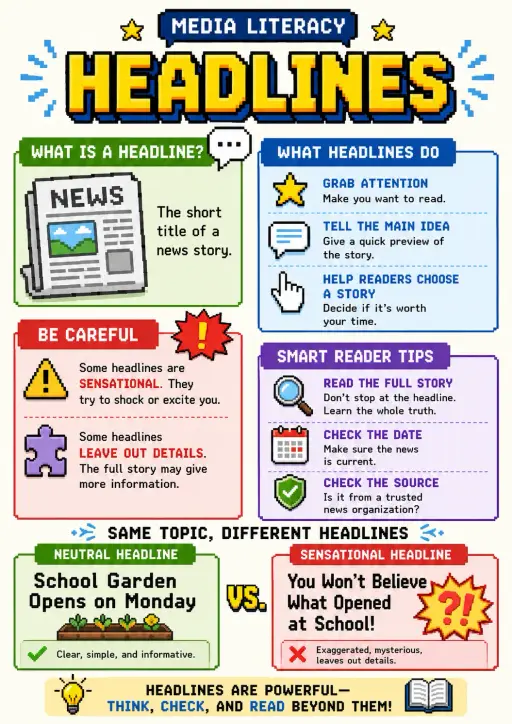 WorksheetMedia Literacy: Reading Headlines and Spotting Sensational Ones
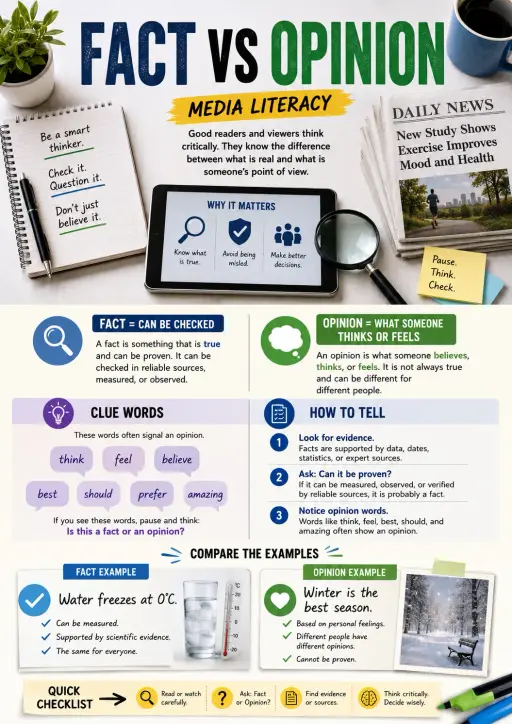 WorksheetFact Vs Opinion Media Literacy Infographic
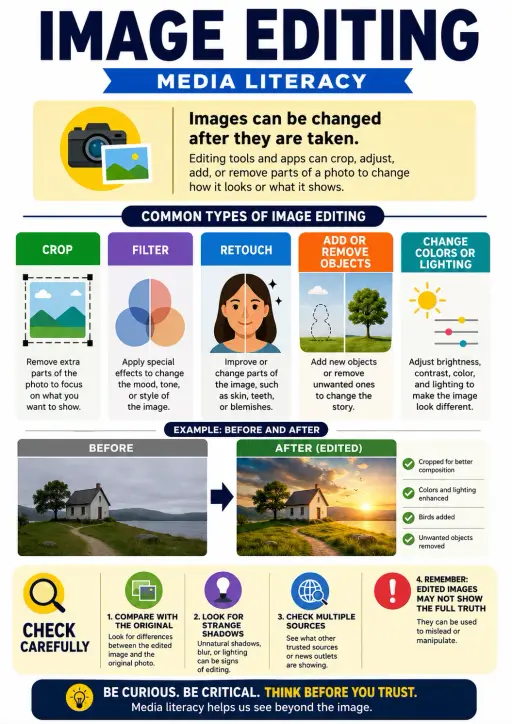 WorksheetImage Editing Media Literacy Infographic
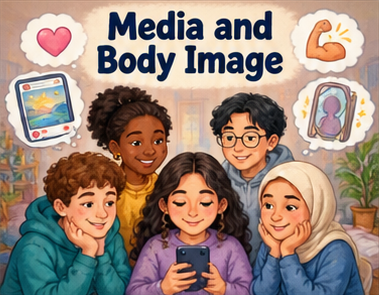 GameMedia, Body Image and Evidence
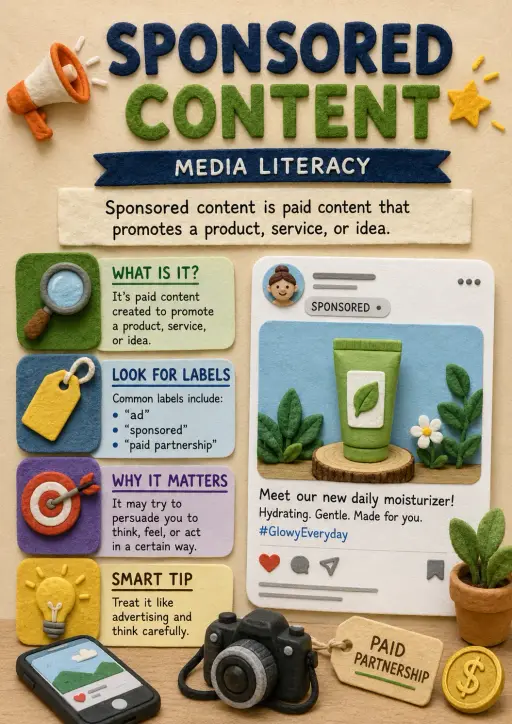 WorksheetSponsored Content Media Literacy Infographic
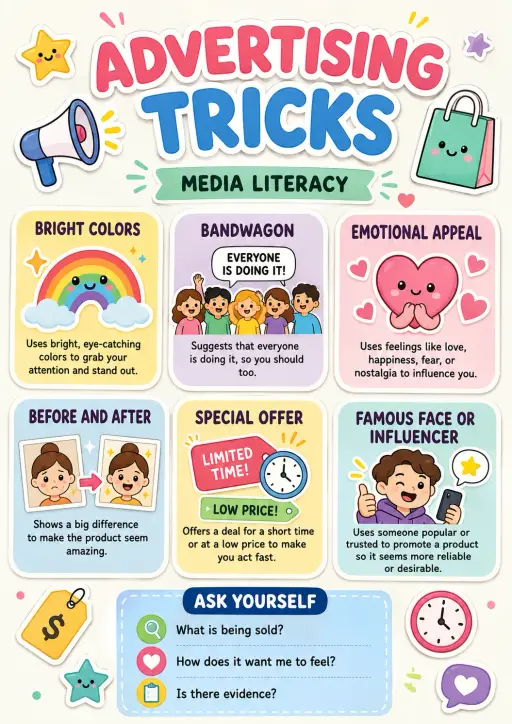 WorksheetAdvertising tricks Media Literacy Infographic
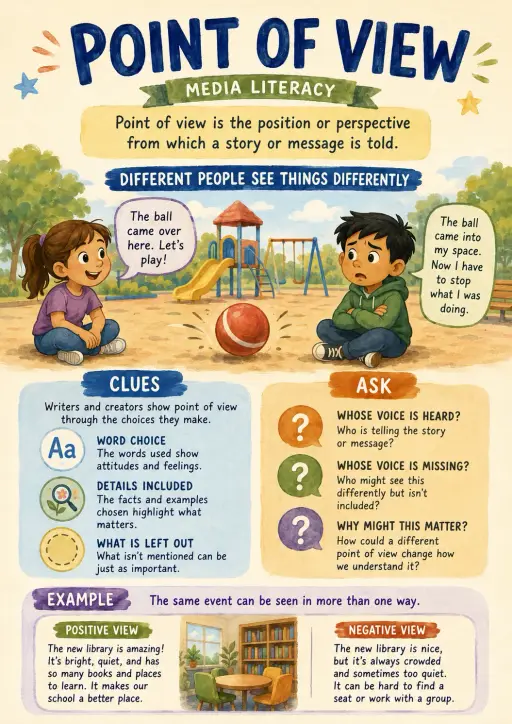 WorksheetPoint of View Media Literacy Infographic
This Grades 3-8 ICT infographic has three parts: What is it?, Common signs and What to do. The signs are missing source, old photo, emotional language and strange claims. The five steps are pause, check the date, compare sources, ask a trusted adult or teacher, and do not share until you verify.
Learning objectives © UCLES (Cambridge University Press & Assessment), quoted with attribution.
See what other teachers think and share a helpful note.
Generate a fresh worksheet for any grade, topic and language. Free.
 Home
 All solutions
 Pricing
 About us
 KiwiBee for Non-profits
 Events & webinars
 For big organisations
 For schools
 For centers
 For team leaders
 For teachers
 Resources
 Printable worksheets
 Interactive simulations
 Teacher tools
 Ideas and research


