Classroom management strategies that actually work in 2026
Evidence-based techniques for keeping students engaged without burning out
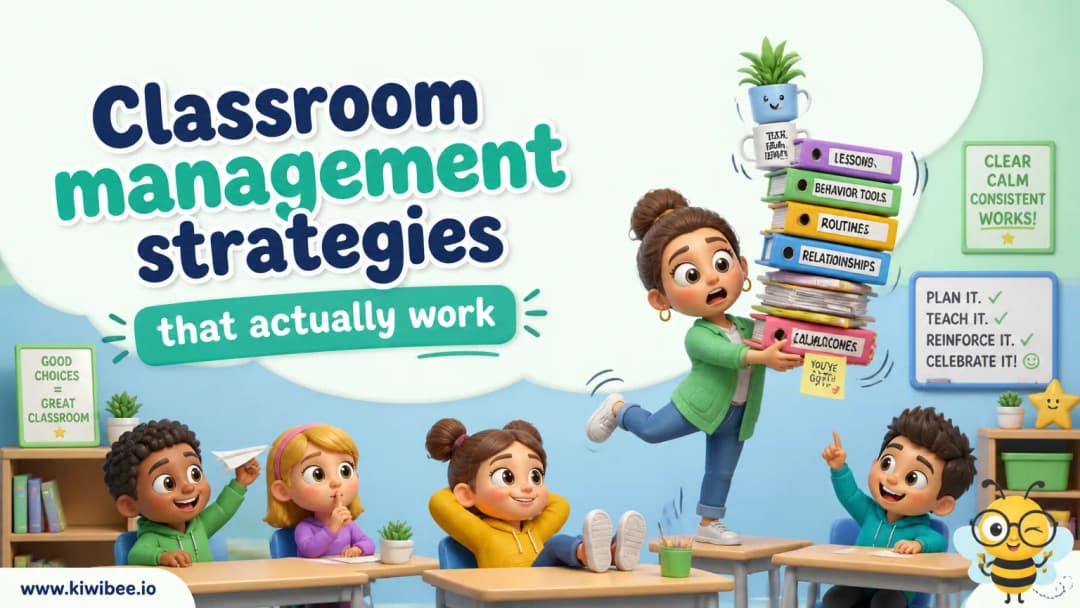
Why most classroom management advice fails
Most classroom management guides read like a Pinterest board — aesthetically pleasing, theoretically sound, and completely disconnected from the reality of 30 students, one teacher, and 45 minutes. This guide is different. Every strategy here was tested in real classrooms and refined based on what actually moved the needle.
Strategy 1: The visible timer
Project a large countdown timer on the board for every timed activity. Students who can see how much time remains pace themselves better, transition more smoothly, and experience less anxiety about deadlines. Use a classroom timer or visual timer for this.
Strategy 2: The noise meter
A projected noise meter with a threshold alert lets the class self-monitor. Students see the volume bar rising and correct themselves before you need to intervene. Pair it with a traffic-light display for younger classes.
Strategy 3: Fair randomization
Use a random student picker instead of calling on raised hands. This keeps all students accountable ("I might be picked next") and distributes participation equitably.
Strategy 4: Consistent transitions
Use the same sound cue — a bell, a chime, a specific sound from a sound board — for every transition. Within two weeks, students will begin packing up or shifting activities the moment they hear it, without you saying a word.
The bottom line
The best classroom management is invisible. When students manage themselves — watching the timer, monitoring the noise bar, knowing they might be randomly picked — you spend less energy on control and more on teaching.
Explore the platform
Continue with KiwiBee
Choose the KiwiBee workspace or resource library that fits what you need next.
Get one practical teaching resource in your inbox each week.
Related posts
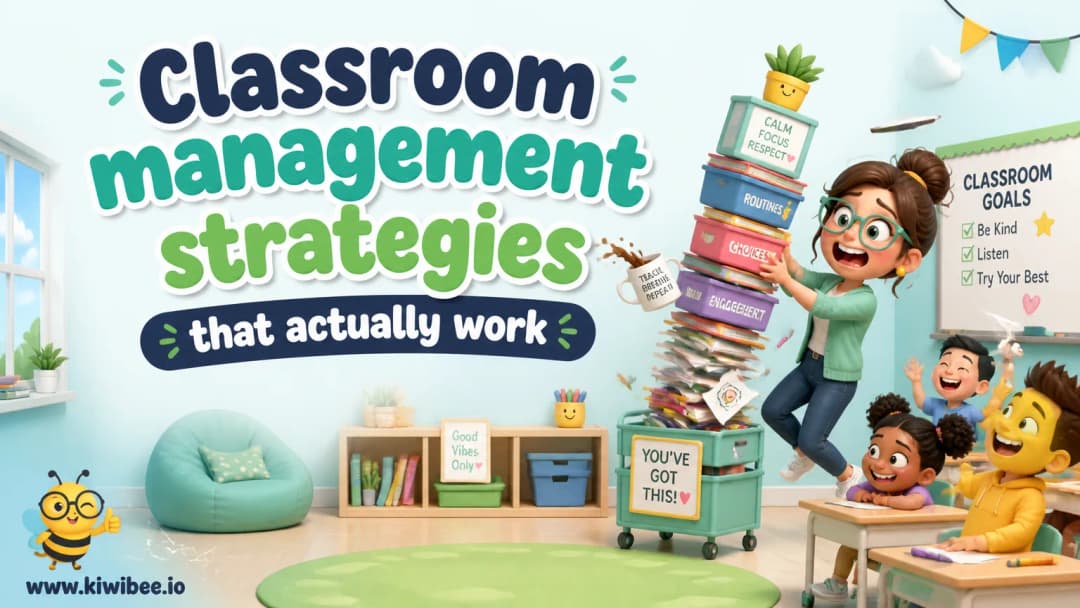
Classroom management strategies that actually work in elementary
Five easy classroom management strategies: visual behaviour boards, a behaviour pyramid, digital points, class monitors, and clear rewards and consequences.
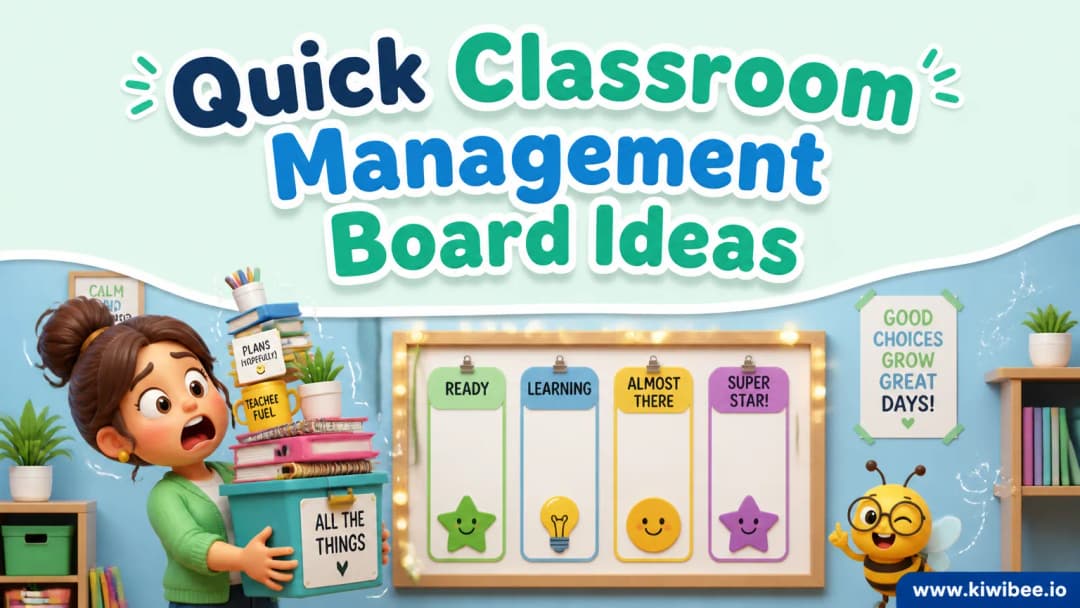
Quick Classroom Management Board Ideas
Explore four classic classroom management boards, from happy face charts to star systems, and learn how to digitize them with ClassSpark for real-time parent visibility.
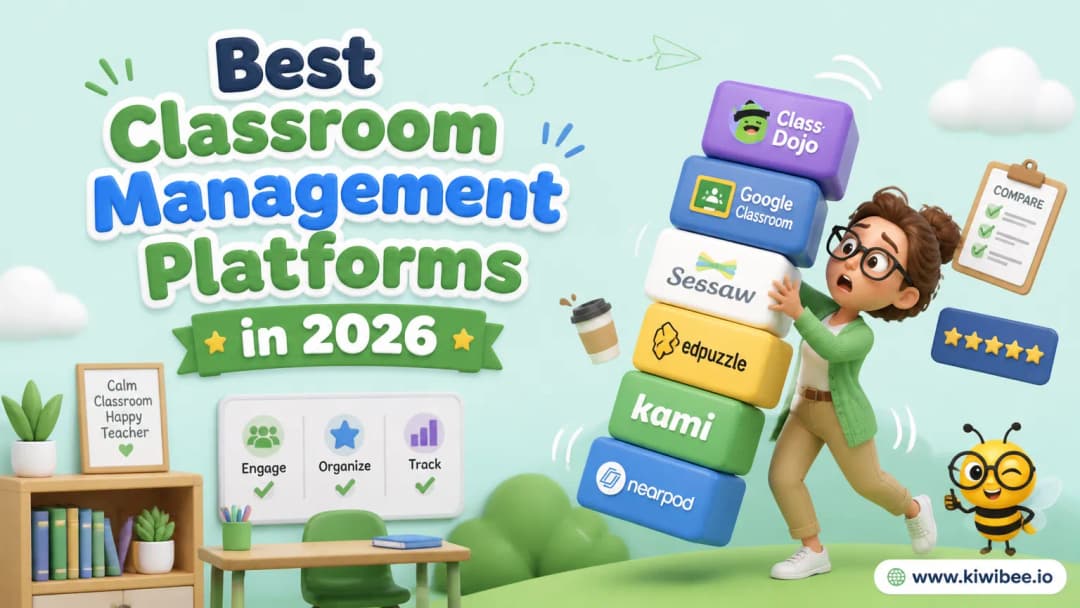
Best Classroom Management Platforms in 2026
A hands-on ranking of the best classroom management platform options in 2026, comparing KiwiBee, ClassDojo, Bloomz, LiveSchool, and Class123 on integration, AI, and price.
 Home
Home All solutions
 Pricing
 About us
 KiwiBee for Non-profits
 Events & webinars
 For big organisations
 For schools
 For centers
 For team leaders
 For teachers
 AI and resources
 Resources
 Printable worksheets
 Lesson Packs
 Interactive simulations
 Teacher tools
 AI studio
 Ideas and research