
Free interactive photosynthesis simulation. Explore photosynthesis hands-on online — great for whole-class or independent practice.
—
KiwiBee 使用 Google Analytics、Google Ads 及 Meta Pixel 的可選 Cookie,以了解成年訪客、統計已完成的註冊及改善推廣活動。必要 Cookie 會一直保持啟用。 OpenAI 的 ChatGPT 廣告像素亦會在您同意廣告追蹤後衡量頁面瀏覽及已提交的查詢,並可能使用經雜湊處理的聯絡資料作配對。 私隱政策
Photosynthesis Explorer is a five-level 3D simulation for secondary biology. Students start with a leaf cut open, tap any tissue to learn its job, then zoom into a chloroplast, onto a thylakoid membrane where electrons flow from water through photosystem II and photosystem I while protons drive ATP synthase, and into the Calvin cycle where carbon atoms can be counted. The rate comes from the leaf model plant scientists use, so changing light intensity, light colour, CO₂ and temperature gives realistic numbers, a limiting factor and a light compensation point. Switches add drought, the herbicide DCMU and cyclic electron flow, and a 3D rate surface with recorded readings supports fair-test investigations.
Yes. It runs in any modern browser, including interactive whiteboards, tablets and phones, with no sign-up or download.
A leaf cross-section, a single chloroplast, a patch of thylakoid membrane with the electron transport chain and ATP synthase, the Calvin cycle in the stroma, and a 3D graph of the rate for every mix of light and CO₂.
They come from the Farquhar, von Caemmerer and Berry leaf model: the leaf goes as fast as the slower of its light reactions and RuBisCO, minus photorespiration and respiration. Moving particles and counts are slowed down and schematic so you can follow them.
DCMU blocks the place where plastoquinone collects electrons from photosystem II. Electrons stop flowing, no oxygen or NADPH is made, sugar production stops and the trapped light energy comes out as red fluorescence.
Linear electron flow alone makes about 1.29 ATP for every NADPH, but the Calvin cycle needs 1.5. Cyclic flow around photosystem I pumps extra protons and tops up the ATP without making NADPH.
免費嵌入你的學習平台、網誌或班級網頁。
<iframe src="https://kiwibee.io/zh/simulations/photosynthesis-explorer-3d-simulation/embed" title="Photosynthesis Explorer | KiwiBee" loading="lazy" allowfullscreen style="width:100%;height:min(70vh,620px);min-height:420px;border:0;border-radius:16px"></iframe>繼續探索
Free interactive photosynthesis simulation. Explore photosynthesis hands-on online — great for whole-class or independent practice.

Explore an adult male reference body in 3D. Reveal 14 anatomical systems, search thousands of named structures, isolate organs, and pull 2,209 modeled pieces apart to see how the body is organized.
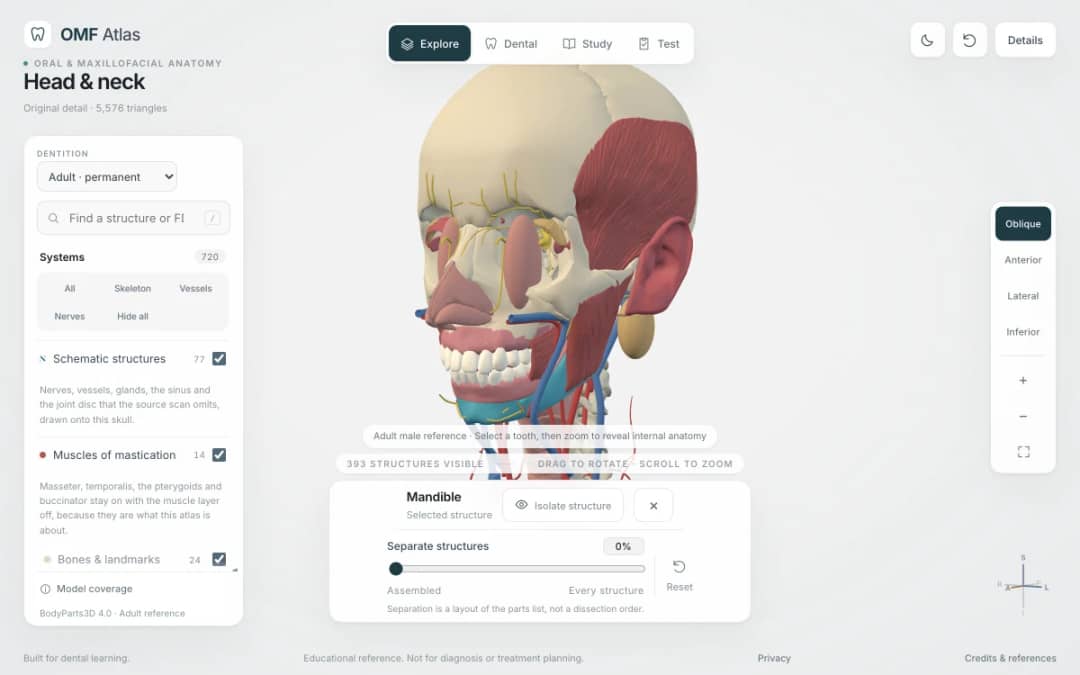
Explore the head and neck in 3D: 643 source meshes across 14 layers, 47 facial and masticatory muscles, and 77 drawn nerves, vessels and glands the source scan omits. Open any tooth onto its own pulp canal, and follow the seven stages of tooth development.

Free interactive states of matter simulation. Explore states of matter hands-on online — great for whole-class or independent practice.

Free interactive shadows simulation. Explore shadows hands-on online — great for whole-class or independent practice.
由模型到紀錄
學生探索之後,用工作紙記錄他們的預測、觀察和解釋。
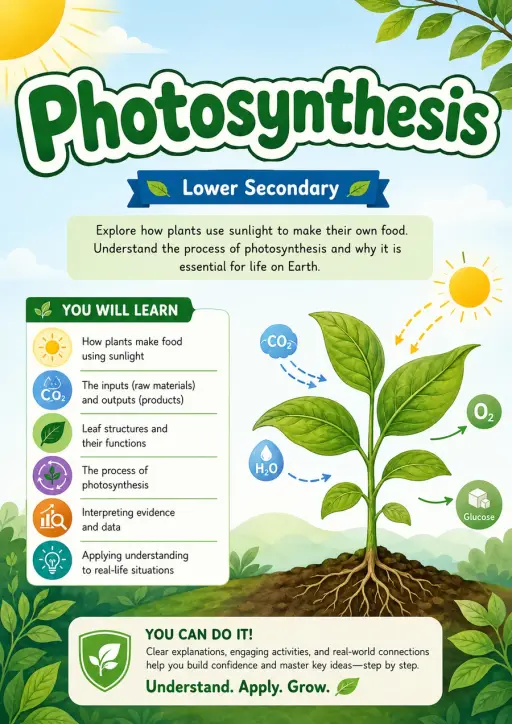
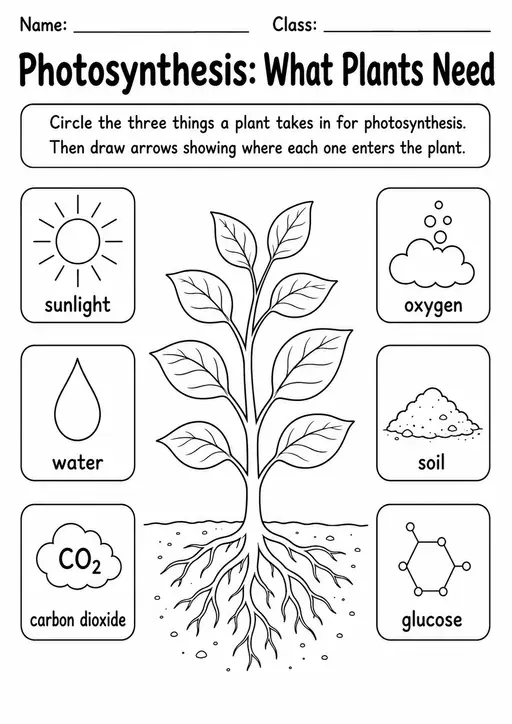
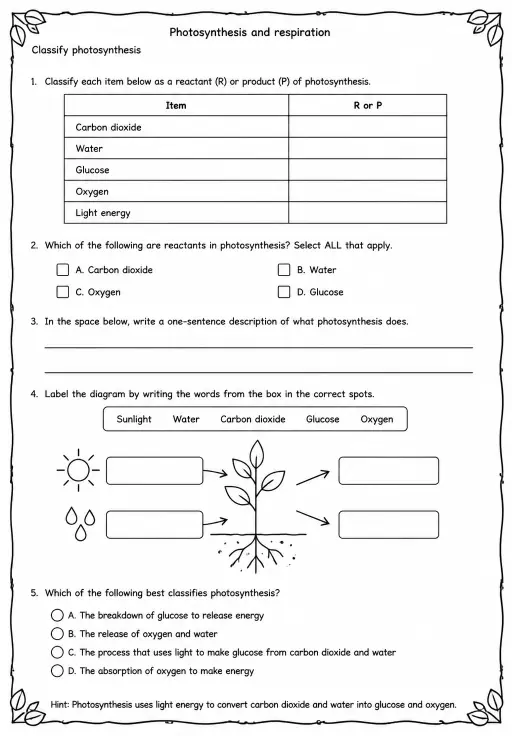
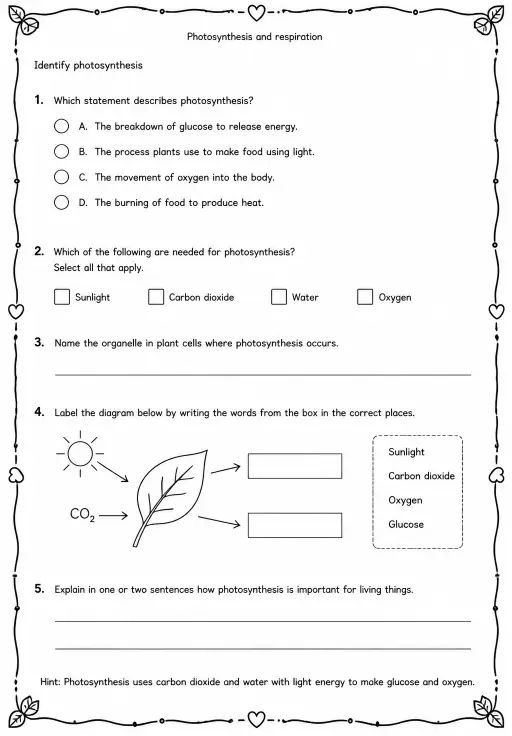
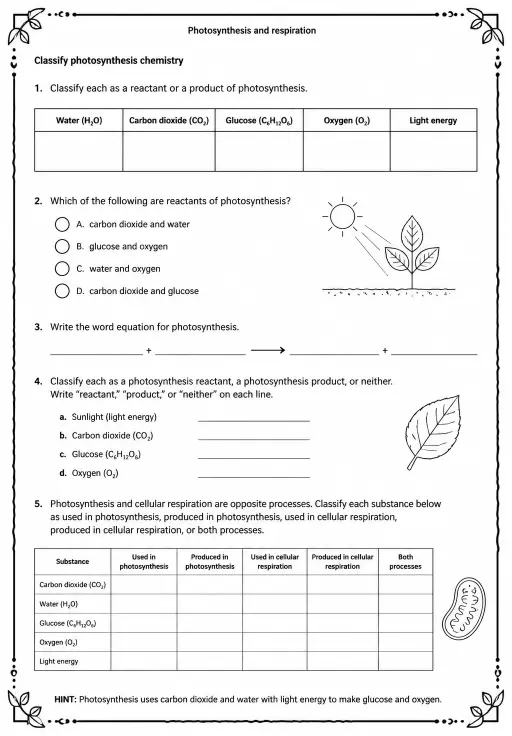
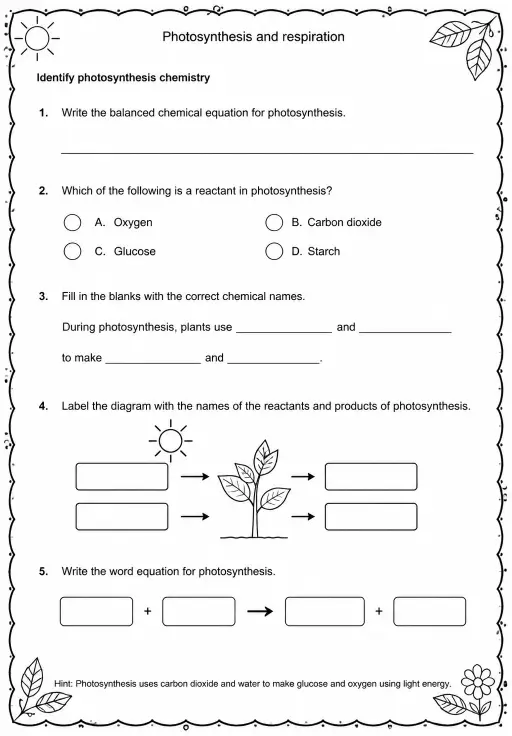
KiwiBee 的免費教師工作空間,把備課、工作紙、課堂工具和成績冊集中在同一處。
免費開始,建立你的第一個班別 首頁
 所有解決方案
 價格
 關於我們
 KiwiBee 非牟利機構計劃
 活動及網上研討會
 適合大型教育機構
 適合學校
 適合教育中心
 適合團隊主管
 適合教師
 AI 和教學資源
 教學資源
 可列印工作紙
 課程包
 互動模擬
 教師工具
 AI 工作室
 教學構思與研究