
关于这个模拟实验
Materials 3D Lab is an interactive 3D science lab about the properties of everyday materials. Seven materials (wood, wool, plastic, glass, metal, fabric and clear plastic) are each clamped as a strip in a lab stand. Children choose a material, guess what will happen, then run five experiments: a magnet, a 1 kg weight, a candle flame, a rain cloud, and a torch shone through the strip in front of a picture of a bee. What happens is set by the properties of each material, so only the steel strip is pulled by the magnet, glass snaps instead of bending, cotton burns while wool only smoulders, wool and fabric soak up water, and glass and clear plastic are transparent. A notebook gathers the results into a table for comparing materials, and a short quiz asks which material is best for jobs such as a window, a towel or a campfire blanket.
学生可以探索什么
- Hold the magnet over every material. Which one jumps up and sticks?
- Hang the weight on each strip. Which stay stiff, which bend and spring back, and which flop over?
- Watch a pretend candle flame. Which materials burn, which melt, and which stay safe?
- Pour rain on each strip. Which soak up water and go dark, and which stay dry?
- Hang each strip in front of the bee picture. Which can you see through, and which make a shadow?
学习目标
- 1Name common materials and describe them with words such as hard, flexible, waterproof, magnetic and transparent.
- 2Compare materials by running the same test on each one and recording what happens.
- 3Choose the best material for a job and explain why, using what the tests showed.
教师常问的问题
Is Materials 3D Lab free to use?
Yes. It runs in any modern browser with no sign-up or download.
Is the burning experiment safe?
The fire is only a picture on the screen. The simulation reminds children never to try it themselves, and a real flame test should only ever be done by a teacher or another grown-up.
Do all metals stick to a magnet?
No. Iron and steel are magnetic, so the steel ruler sticks to the magnet. Copper, aluminium and gold are not magnetic.
What age is it for?
It suits ages 5 to 10, from Kindergarten to Grade 4, as an introduction to everyday materials and their properties. It works on phones, tablets and computers.
嵌入这个模拟实验
免费嵌入你的学习平台、博客或班级网站。
<iframe src="https://kiwibee.io/zh-cn/simulations/materials-3d-simulation/embed" title="Materials 3D Lab | KiwiBee" loading="lazy" allowfullscreen style="width:100%;height:min(70vh,620px);min-height:420px;border:0;border-radius:16px"></iframe>继续探索
更多互动科学模型
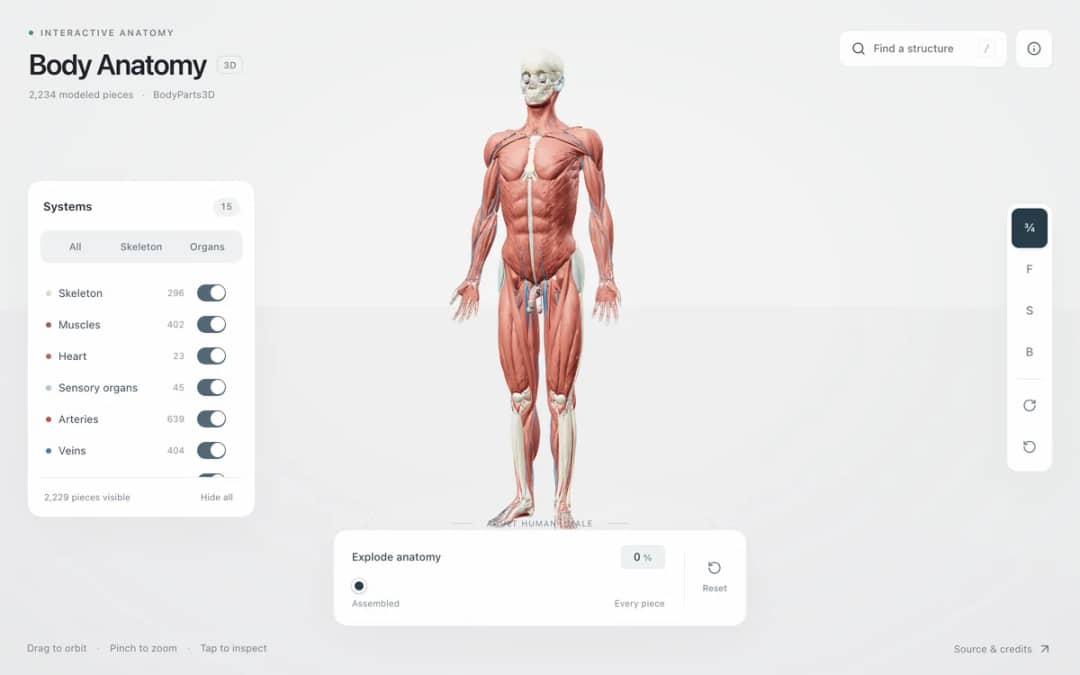
Explore an adult male reference body in 3D. Reveal 14 anatomical systems, search thousands of named structures, isolate organs, and pull 2,209 modeled pieces apart to see how the body is organized.
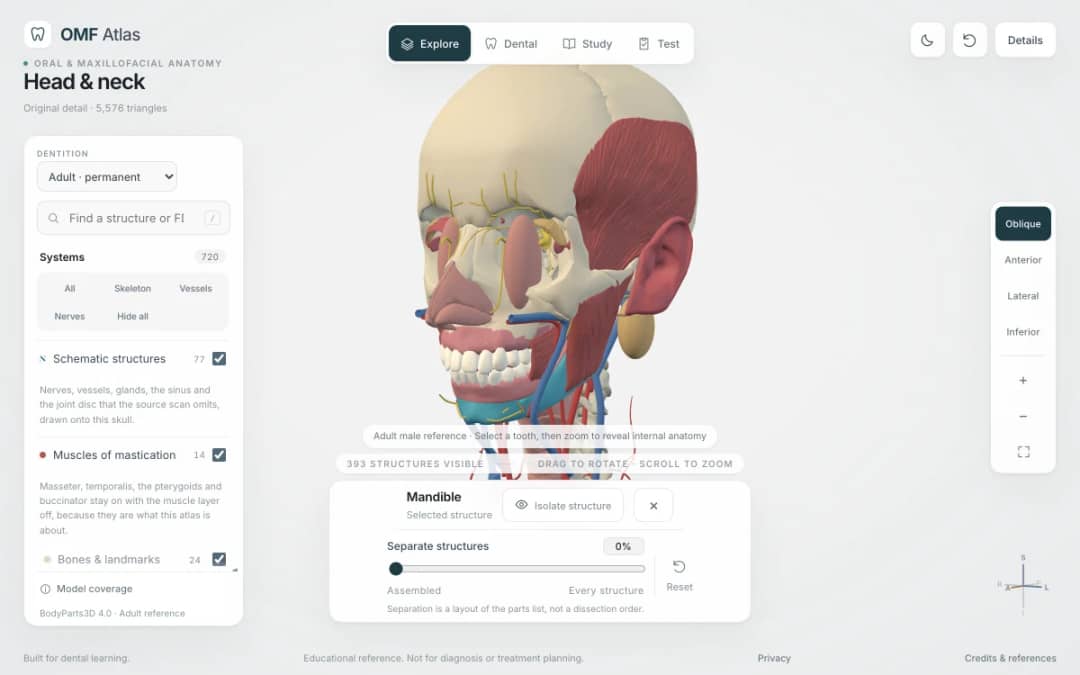
Explore the head and neck in 3D: 643 source meshes across 14 layers, 47 facial and masticatory muscles, and 77 drawn nerves, vessels and glands the source scan omits. Open any tooth onto its own pulp canal, and follow the seven stages of tooth development.

Free interactive photosynthesis simulation. Explore photosynthesis hands-on online — great for whole-class or independent practice.

Free interactive states of matter simulation. Explore states of matter hands-on online — great for whole-class or independent practice.

Free interactive shadows simulation. Explore shadows hands-on online — great for whole-class or independent practice.
从模型到记录
为这个模拟实验搭配一份可打印工作表
学生探索之后,用工作表记录他们的预测、观察和解释。
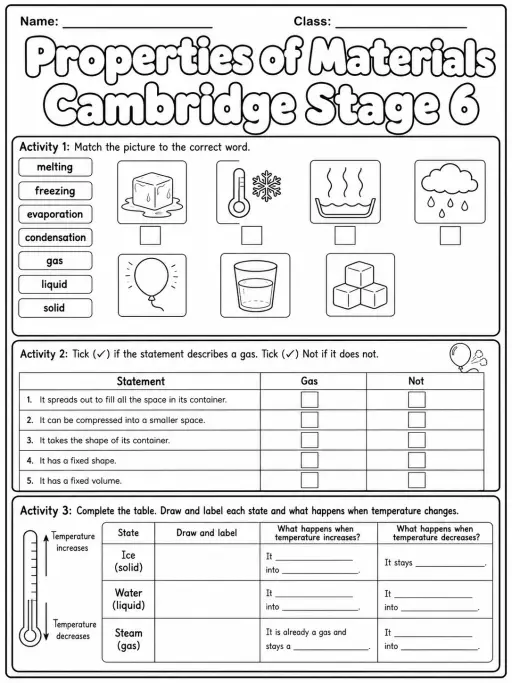
Properties of Materials Cambridge Stage 6
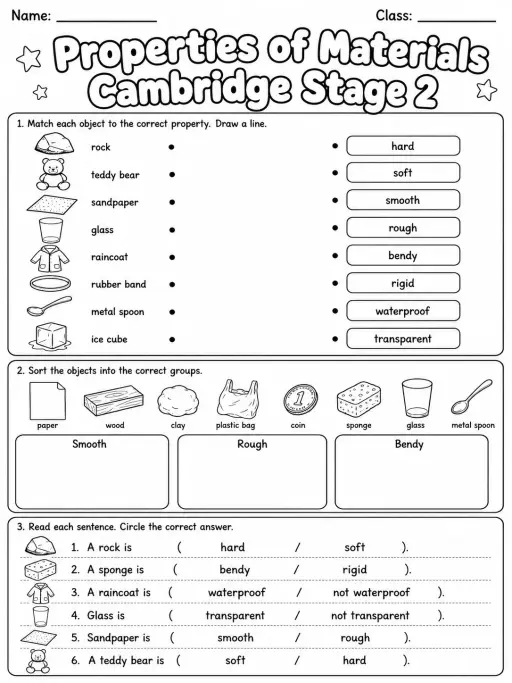
Properties of Materials Cambridge Stage 2
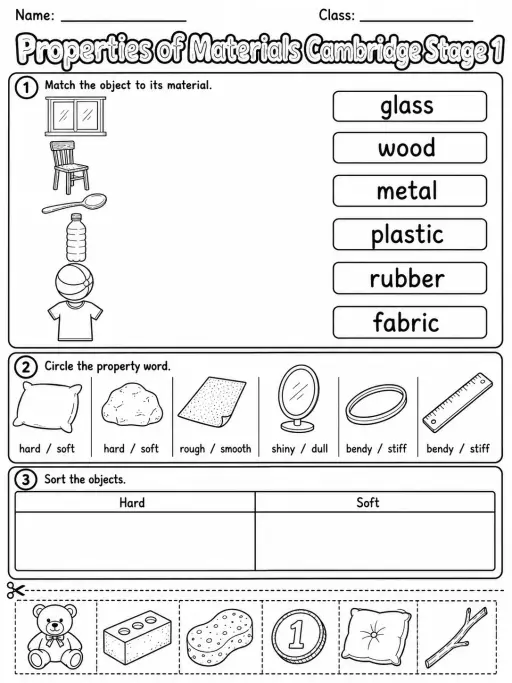
Properties of Materials Cambridge Stage 1
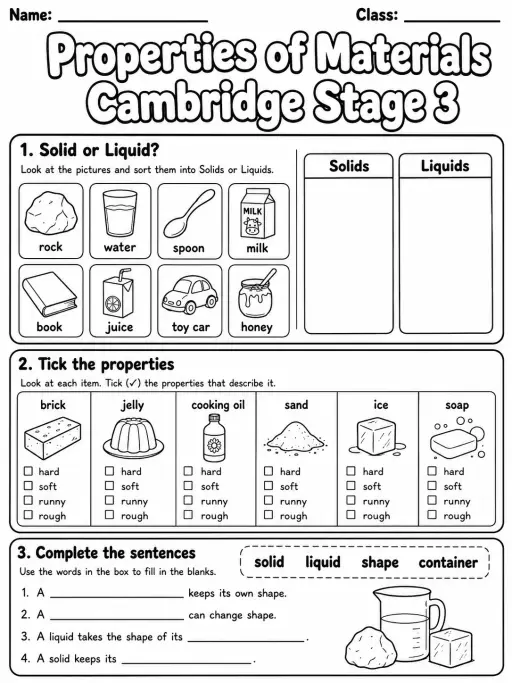
Properties of Materials Cambridge Stage 3
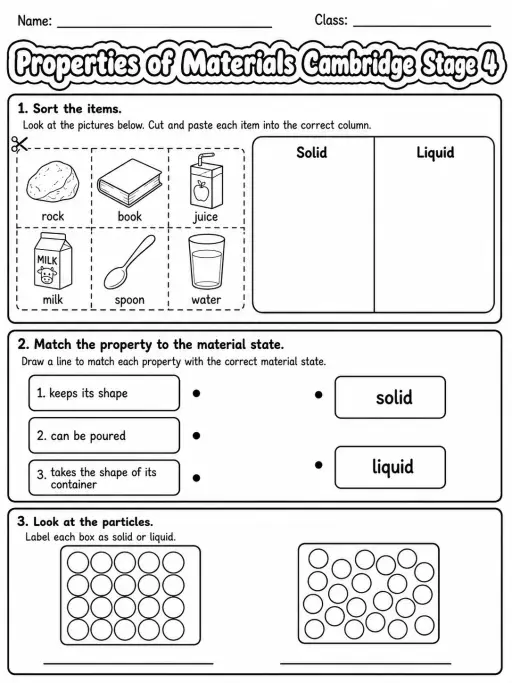
Properties of Materials Cambridge Stage 4
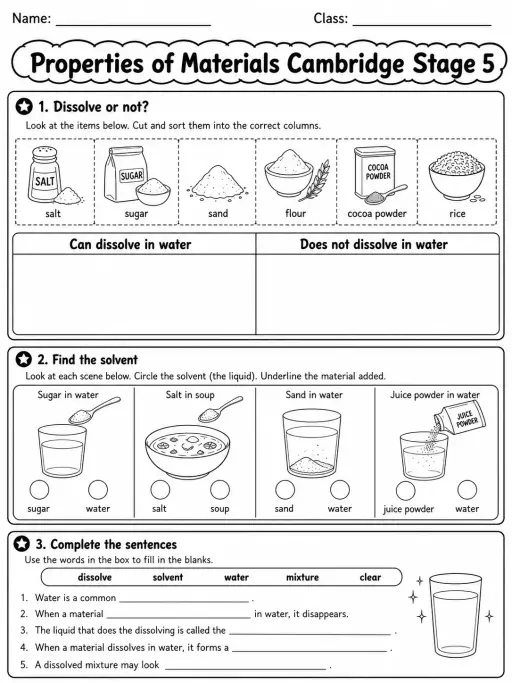
Properties of Materials Cambridge Stage 5
把互动科学带进你的课堂
KiwiBee 的免费教师工作台把备课、工作表、课堂工具和成绩册集中在一处。
免费开始,创建你的第一个班级 首页
首页 全部解决方案
 价格
价格 关于我们
关于我们 KiwiBee 非营利组织计划
 活动与网络研讨会
 面向大型教育集团
 面向学校
面向学校 面向教育中心
 面向团队负责人
 面向教师
面向教师 AI 与教学资源
 教学资源
教学资源 可打印练习单
 课程包
课程包 互动模拟实验
 教师工具
教师工具 AI 工作室
 灵感与研究
灵感与研究