
Explore an adult male reference body in 3D. Reveal 14 anatomical systems, search thousands of named structures, isolate organs, and pull 2,209 modeled pieces apart to see how the body is organized.
—
O KiwiBee usa cookies opcionais do Google Analytics, Google Ads e Meta Pixel para entender os visitantes adultos, medir cadastros concluídos e melhorar as campanhas. Os cookies essenciais ficam sempre ativos. O Pixel de anúncios do ChatGPT da OpenAI também mede visitas e consultas enviadas após o consentimento publicitário e pode usar dados de contato com hash para correspondência. Política de privacidade
Terrarium Ecosystem is a small closed habitat. Students drag a plant, cricket or frog into the glass and can pick animals up to move or remove them. Plants need light and moisture to grow and seed, crickets eat plants and frogs eat crickets. Each animal has an energy store that fills when it eats, drains as it moves, allows breeding when full and ends in death at zero. Sliders set sunlight, buttons mist the terrarium and sprinkle seeds, and readouts show population counts, balance, moisture and days. It shows how producers, herbivores and predators depend on each other.
Yes, it costs nothing and needs no account. Open it in any current browser on a whiteboard, tablet, Chromebook or phone and it just works.
If frogs eat most of the crickets, the crickets crash. With no food left, the frogs run out of energy and starve, so a lot of predators can cause their own population to collapse.
Producers, herbivores and predators keep one another in check. Each level needs more individuals than the one above it, because only about 10 percent of energy passes up each level.
Drag a plant, cricket or frog from the shelf into the glass. To move or remove an animal, pick it up again and drop it elsewhere or outside the terrarium.
Coloque no seu AVA, blog ou site da turma — de graça.
<iframe src="https://kiwibee.io/pt/simulations/terrarium-ecosystem-3d-simulation/embed" title="Terrarium Ecosystem | KiwiBee" loading="lazy" allowfullscreen style="width:100%;height:min(70vh,620px);min-height:420px;border:0;border-radius:16px"></iframe>Continue explorando
Explore an adult male reference body in 3D. Reveal 14 anatomical systems, search thousands of named structures, isolate organs, and pull 2,209 modeled pieces apart to see how the body is organized.

Explore the head and neck in 3D: 643 source meshes across 14 layers, 47 facial and masticatory muscles, and 77 drawn nerves, vessels and glands the source scan omits. Open any tooth onto its own pulp canal, and follow the seven stages of tooth development.

Free interactive photosynthesis simulation. Explore photosynthesis hands-on online — great for whole-class or independent practice.

Free interactive states of matter simulation. Explore states of matter hands-on online — great for whole-class or independent practice.

Free interactive shadows simulation. Explore shadows hands-on online — great for whole-class or independent practice.
Do modelo ao registro
Use uma atividade para registrar previsões, observações e explicações depois que os alunos explorarem.
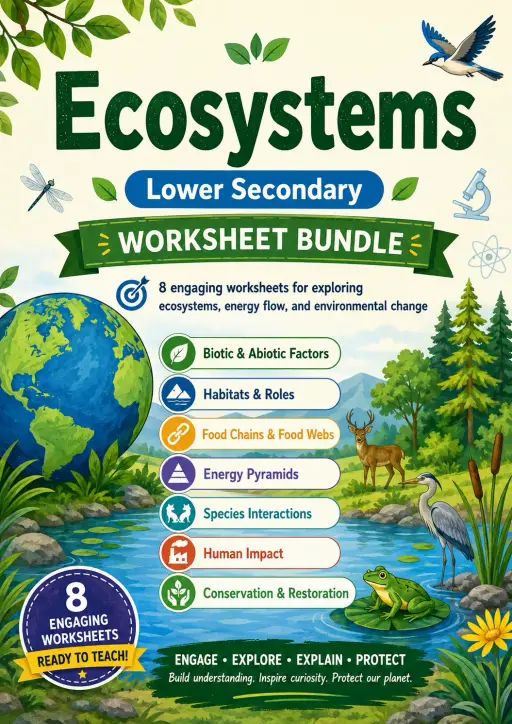
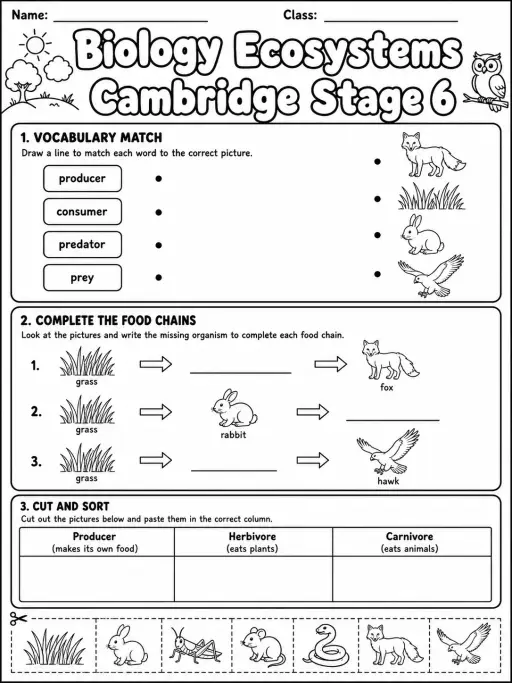
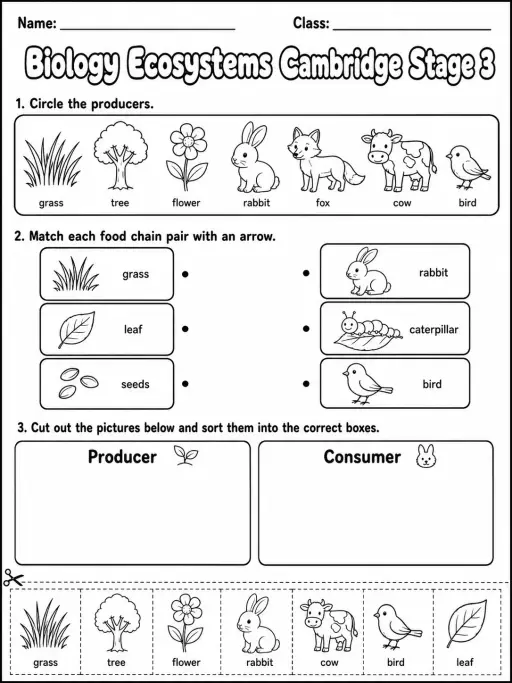
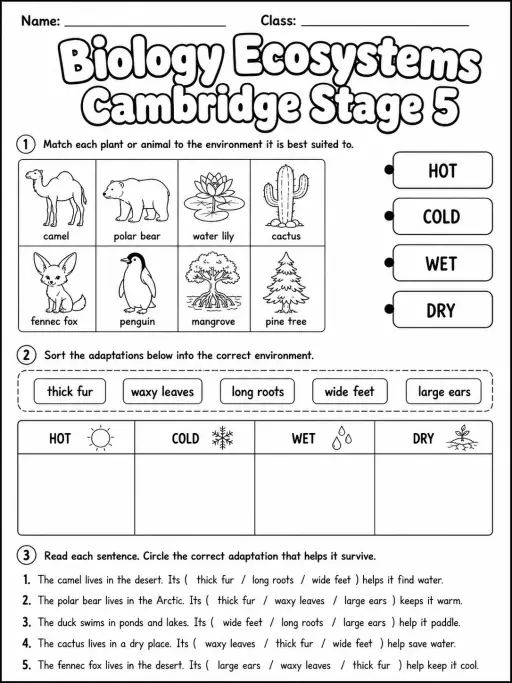
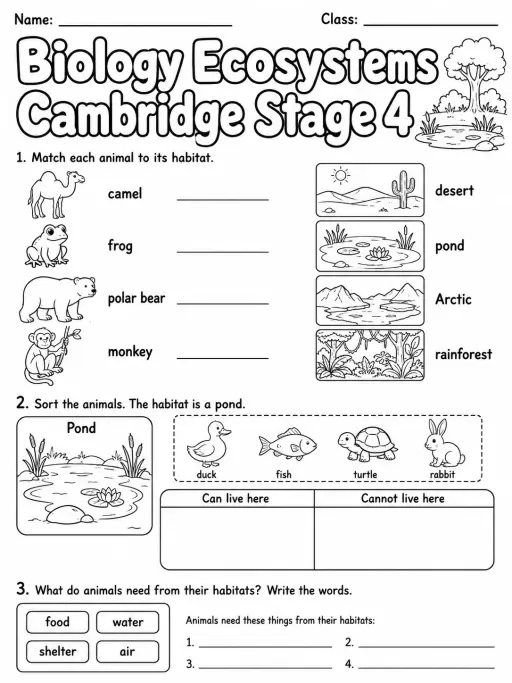
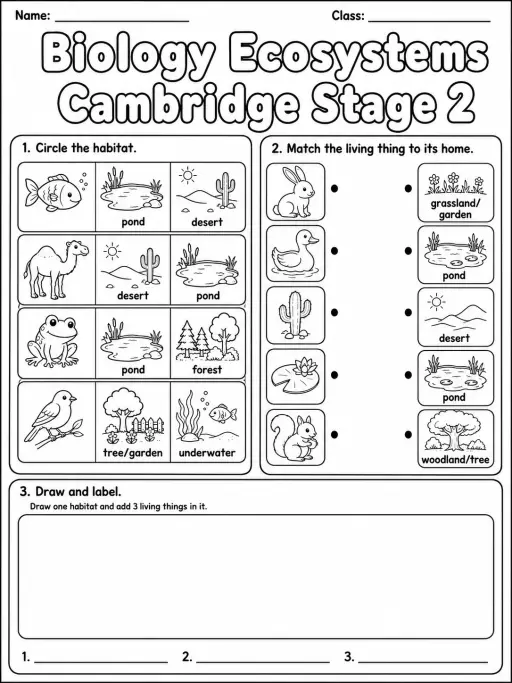
O espaço gratuito do professor da KiwiBee reúne em um só lugar o planejamento de aulas, as atividades, as ferramentas de sala e o diário de classe.
Comece grátis e crie sua primeira turma Início
 Todas as soluções
 Preços
 Sobre nós
 KiwiBee para organizações sem fins lucrativos
 Eventos e webinars
 Para grandes redes de ensino
 Para escolas
 Para centros educacionais
 Para líderes de equipe
 Para professores
 IA e recursos
 Recursos
 Atividades para imprimir
 Pacotes de aula
 Simulações interativas
 Ferramentas para professores
 Estúdio de IA
 Ideias e pesquisa