
Free interactive photosynthesis simulation. Explore photosynthesis hands-on online — great for whole-class or independent practice.
—
KiwiBee utilise des cookies facultatifs Google Analytics, Google Ads et Meta Pixel pour comprendre les visiteurs adultes, mesurer les inscriptions finalisées et améliorer ses campagnes. Les cookies essentiels restent toujours actifs. Le pixel publicitaire ChatGPT d’OpenAI mesure aussi les pages vues et les demandes envoyées après consentement publicitaire, et peut utiliser des coordonnées hachées pour la mise en correspondance. Politique de confidentialité
Photosynthesis Explorer is a five-level 3D simulation for secondary biology. Students start with a leaf cut open, tap any tissue to learn its job, then zoom into a chloroplast, onto a thylakoid membrane where electrons flow from water through photosystem II and photosystem I while protons drive ATP synthase, and into the Calvin cycle where carbon atoms can be counted. The rate comes from the leaf model plant scientists use, so changing light intensity, light colour, CO₂ and temperature gives realistic numbers, a limiting factor and a light compensation point. Switches add drought, the herbicide DCMU and cyclic electron flow, and a 3D rate surface with recorded readings supports fair-test investigations.
Yes. It runs in any modern browser, including interactive whiteboards, tablets and phones, with no sign-up or download.
A leaf cross-section, a single chloroplast, a patch of thylakoid membrane with the electron transport chain and ATP synthase, the Calvin cycle in the stroma, and a 3D graph of the rate for every mix of light and CO₂.
They come from the Farquhar, von Caemmerer and Berry leaf model: the leaf goes as fast as the slower of its light reactions and RuBisCO, minus photorespiration and respiration. Moving particles and counts are slowed down and schematic so you can follow them.
DCMU blocks the place where plastoquinone collects electrons from photosystem II. Electrons stop flowing, no oxygen or NADPH is made, sugar production stops and the trapped light energy comes out as red fluorescence.
Linear electron flow alone makes about 1.29 ATP for every NADPH, but the Calvin cycle needs 1.5. Cyclic flow around photosystem I pumps extra protons and tops up the ATP without making NADPH.
Placez-la dans votre ENT, votre blog ou le site de la classe — gratuitement.
<iframe src="https://kiwibee.io/fr/simulations/photosynthesis-explorer-3d-simulation/embed" title="Photosynthesis Explorer | KiwiBee" loading="lazy" allowfullscreen style="width:100%;height:min(70vh,620px);min-height:420px;border:0;border-radius:16px"></iframe>Continuer à explorer
Free interactive photosynthesis simulation. Explore photosynthesis hands-on online — great for whole-class or independent practice.

Explore an adult male reference body in 3D. Reveal 14 anatomical systems, search thousands of named structures, isolate organs, and pull 2,209 modeled pieces apart to see how the body is organized.

Explore the head and neck in 3D: 643 source meshes across 14 layers, 47 facial and masticatory muscles, and 77 drawn nerves, vessels and glands the source scan omits. Open any tooth onto its own pulp canal, and follow the seven stages of tooth development.

Free interactive states of matter simulation. Explore states of matter hands-on online — great for whole-class or independent practice.

Free interactive shadows simulation. Explore shadows hands-on online — great for whole-class or independent practice.
Du modèle à la trace écrite
Utilisez une fiche pour recueillir les prédictions, les observations et les explications après l'exploration des élèves.
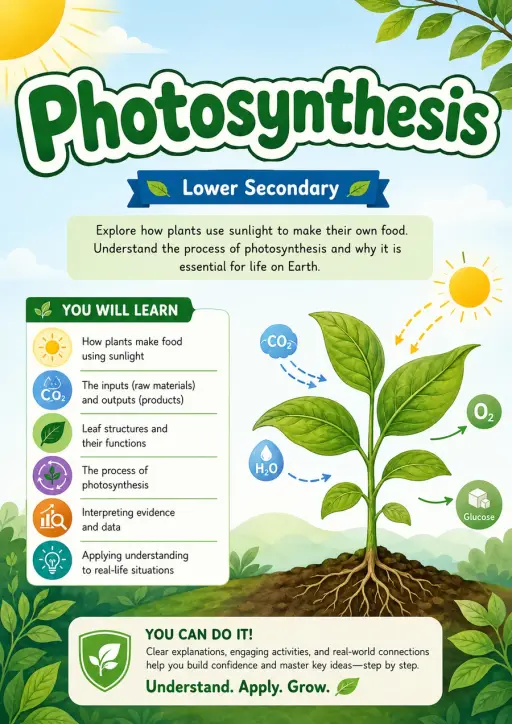
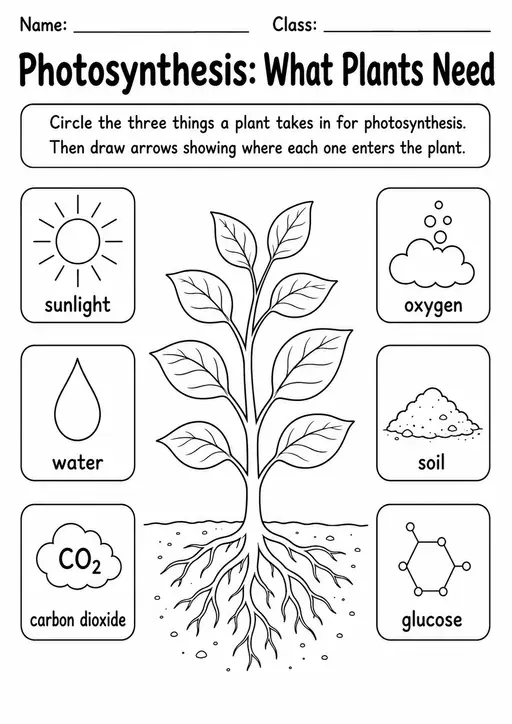
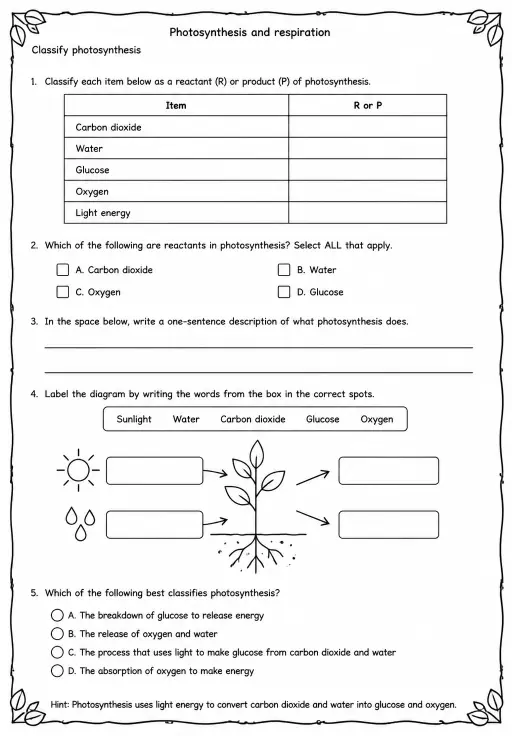
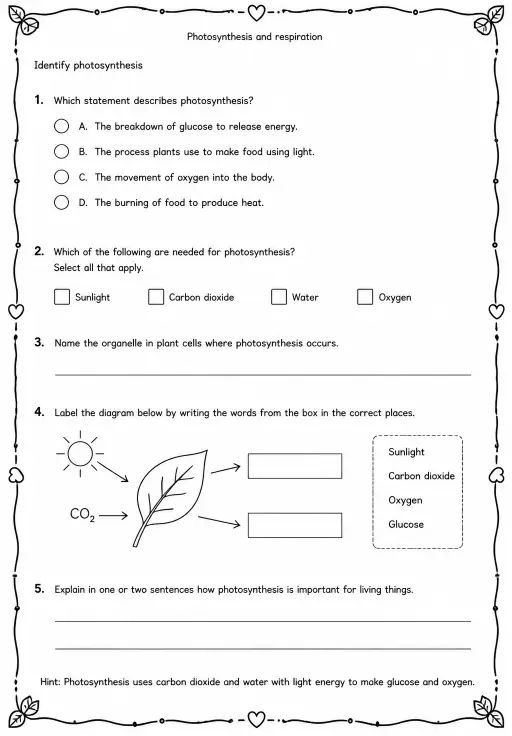
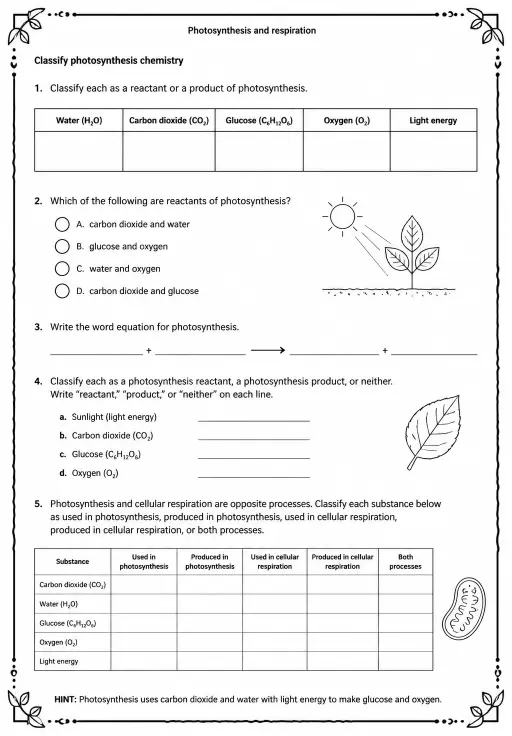
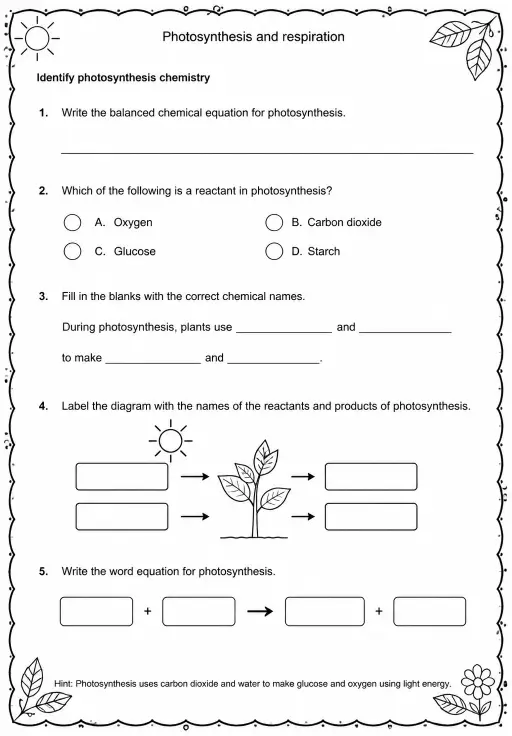
L'espace enseignant gratuit de KiwiBee réunit au même endroit la préparation des séances, les fiches, les outils de classe et le carnet de notes.
Commencez gratuitement et créez votre première classe Accueil
 Toutes les solutions
 Tarifs
 À propos
 KiwiBee pour les associations
 Événements et webinaires
 Pour les grands réseaux
 Pour les établissements
 Pour les centres
 Pour les responsables d'équipe
 Pour les enseignants
 IA et ressources
 Ressources
 Fiches imprimables
 Kits de cours
 Simulations interactives
 Outils pour les enseignants
 Studio IA
 Idées et recherche