
Explore an adult male reference body in 3D. Reveal 14 anatomical systems, search thousands of named structures, isolate organs, and pull 2,209 modeled pieces apart to see how the body is organized.
—
KiwiBee utilise des cookies facultatifs Google Analytics, Google Ads et Meta Pixel pour comprendre les visiteurs adultes, mesurer les inscriptions finalisées et améliorer ses campagnes. Les cookies essentiels restent toujours actifs. Le pixel publicitaire ChatGPT d’OpenAI mesure aussi les pages vues et les demandes envoyées après consentement publicitaire, et peut utiliser des coordonnées hachées pour la mise en correspondance. Politique de confidentialité
Students drag the three stations or the red earthquake across a map where one square equals 10 km. Each ring shows the distance a station works out from the delay between P and S waves. Sliders set P speed, S speed and timing noise, a toggle hides or shows the quake, and New random quake sets a fresh puzzle. Students place the green pin at the crossing point and read the Guess error. It shows why one station gives only a circle and three stations pinpoint an epicentre.
Yes. Epicentre Triangulation is free and needs no sign-up. It runs in any modern browser, including interactive whiteboards, tablets and phones, so you can open it straight from a lesson link.
One station only gives a distance, so the quake could be anywhere on a circle. Two circles cross at two points, and a third circle picks out the single epicentre.
Drag the stations or the red quake around the map, then drag the green pin to where the rings meet. Press New random quake for another puzzle.
P waves arrive first because they travel faster, around 6 km per second in the crust. S waves travel more slowly, around 3.5 km per second, so the gap grows with distance.
Placez-la dans votre ENT, votre blog ou le site de la classe — gratuitement.
<iframe src="https://kiwibee.io/fr/simulations/epicentre-triangulation-3d-simulation/embed" title="Epicentre Triangulation | KiwiBee" loading="lazy" allowfullscreen style="width:100%;height:min(70vh,620px);min-height:420px;border:0;border-radius:16px"></iframe>Continuer à explorer
Explore an adult male reference body in 3D. Reveal 14 anatomical systems, search thousands of named structures, isolate organs, and pull 2,209 modeled pieces apart to see how the body is organized.
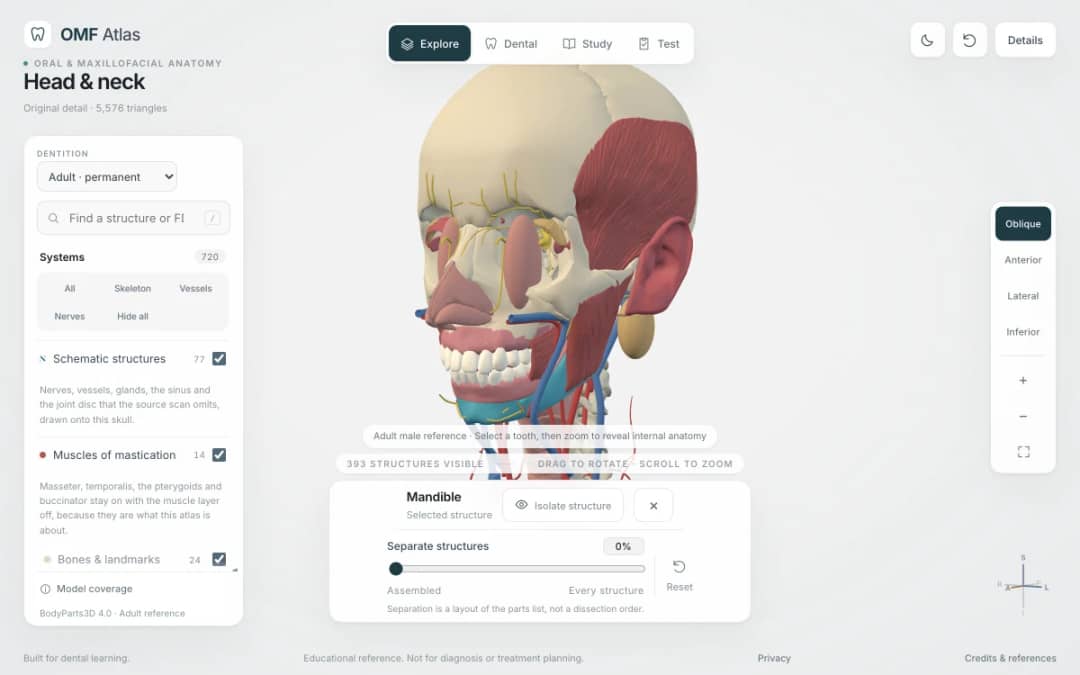
Explore the head and neck in 3D: 643 source meshes across 14 layers, 47 facial and masticatory muscles, and 77 drawn nerves, vessels and glands the source scan omits. Open any tooth onto its own pulp canal, and follow the seven stages of tooth development.

Free interactive photosynthesis simulation. Explore photosynthesis hands-on online — great for whole-class or independent practice.

Free interactive states of matter simulation. Explore states of matter hands-on online — great for whole-class or independent practice.

Free interactive shadows simulation. Explore shadows hands-on online — great for whole-class or independent practice.
Du modèle à la trace écrite
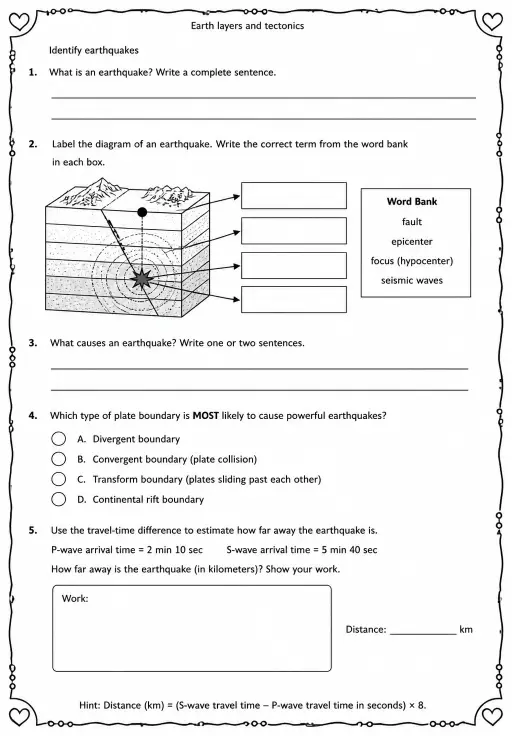
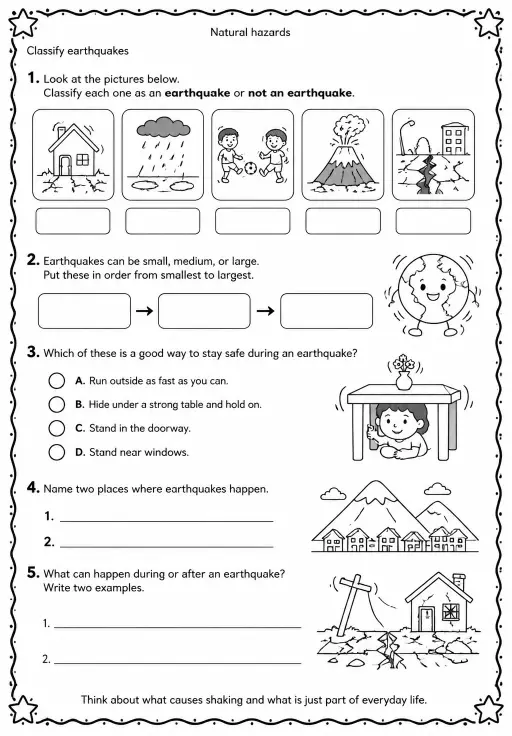
Utilisez une fiche pour recueillir les prédictions, les observations et les explications après l'exploration des élèves.
L'espace enseignant gratuit de KiwiBee réunit au même endroit la préparation des séances, les fiches, les outils de classe et le carnet de notes.
Commencez gratuitement et créez votre première classe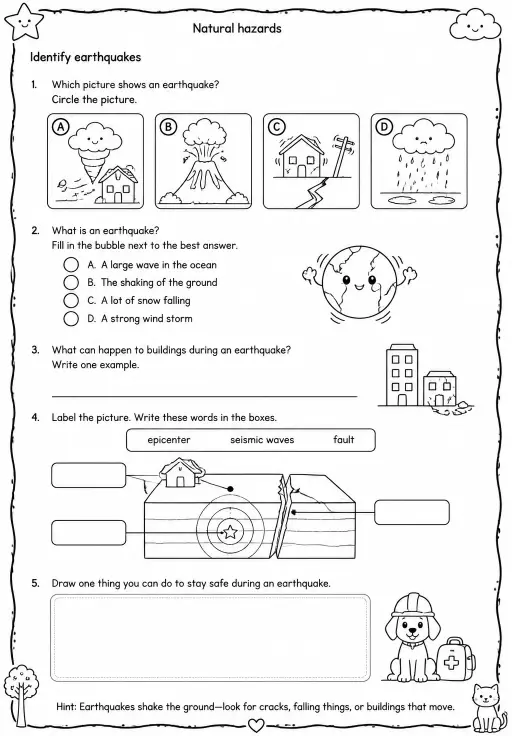
 Accueil
 Toutes les solutions
 Tarifs
 À propos
 KiwiBee pour les associations
 Événements et webinaires
 Pour les grands réseaux
 Pour les établissements
 Pour les centres
 Pour les responsables d'équipe
 Pour les enseignants
 IA et ressources
 Ressources
 Fiches imprimables
 Kits de cours
 Simulations interactives
 Outils pour les enseignants
 Studio IA
 Idées et recherche