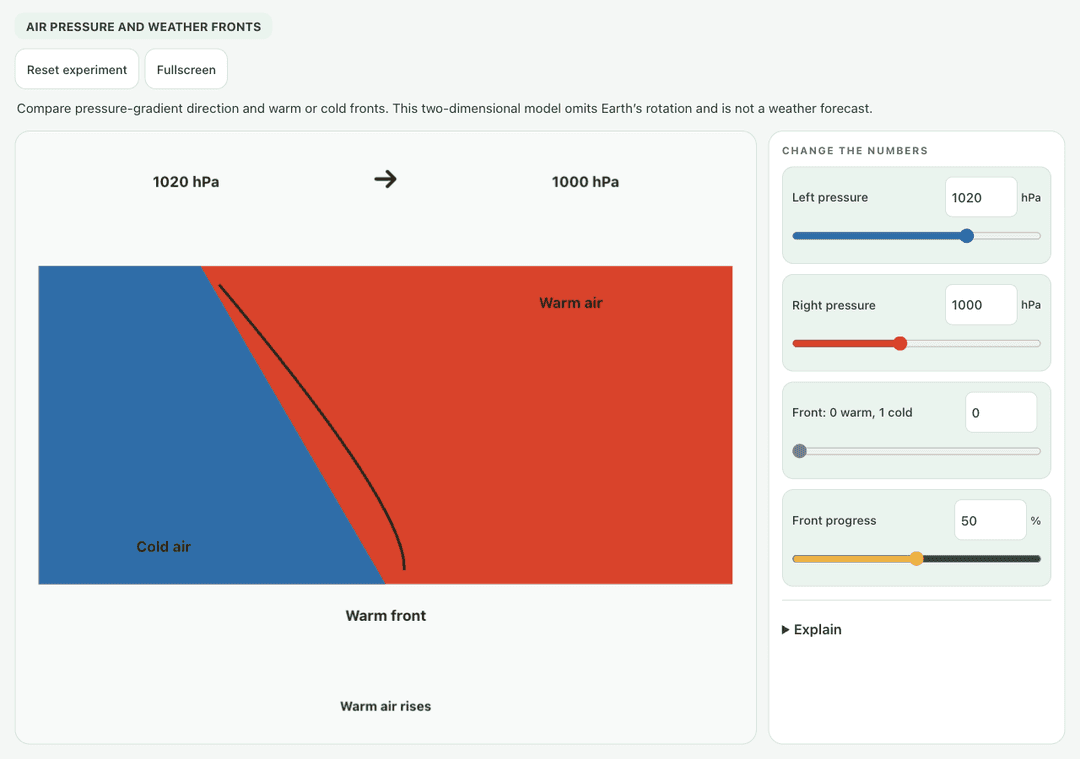
Compare pressure-gradient direction and warm or cold fronts. This two-dimensional model omits Earth’s rotation and is not a weather forecast.
—
KiwiBee përdor cookies opsionale të Google Analytics, Google Ads dhe Meta Pixel për të kuptuar vizitorët e rritur, për të matur regjistrimet e përfunduara dhe për të përmirësuar fushatat. Cookies thelbësore janë gjithmonë aktive. Pixel-i i reklamave ChatGPT i OpenAI mat edhe shikimet e faqeve dhe kërkesat e dërguara pas pëlqimit për reklama dhe mund të përdorë të dhëna kontakti të hash-uara për përputhje. Politika e privatësisë
Students drag the orange warm air mass and the blue cold air mass toward each other and move the town to different spots. The simulation names the front type from how the masses move, and shows the overlap, the temperature at the town and the rain there. Sliders set warm and cold air temperatures, a toggle makes cold air push east, and a button lets warm air push instead. It shows why cold fronts bring short heavy showers while warm fronts bring lighter, longer rain.
Yes, it costs nothing and there is no account to create. Weather Fronts works in the browser on laptops, Chromebooks, whiteboards, tablets and phones.
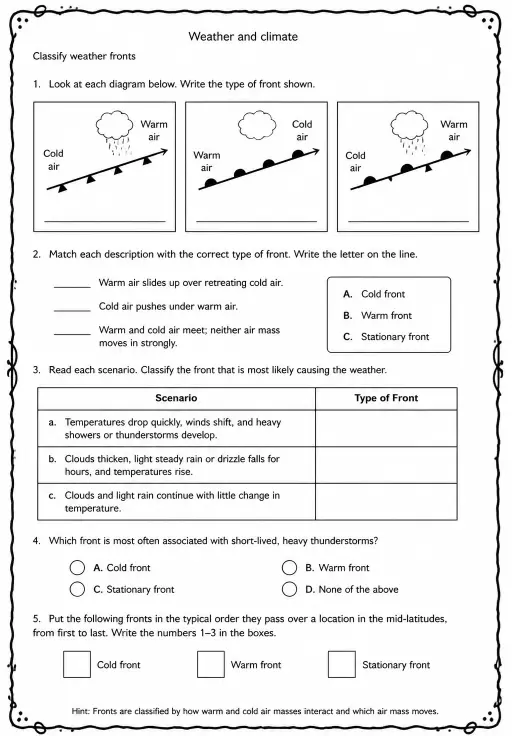
A cold front is where advancing cold, dense air wedges under warmer air and pushes it upward quickly. That often makes tall storm clouds and a short burst of heavy rain.
A warm front is where warm air slides gently up over retreating cold air. The slope is shallow, so clouds spread wide and bring lighter, steadier drizzle.
Drag the warm and cold air masses toward each other and drag the town to a new spot. Use the temperature sliders and push buttons to try other cases.
Vendoseni në platformën tuaj mësimore, në blog ose në faqen e klasës — falas.
<iframe src="https://kiwibee.io/sq/simulations/weather-fronts-collision-3d-simulation/embed" title="Weather Fronts | KiwiBee" loading="lazy" allowfullscreen style="width:100%;height:min(70vh,620px);min-height:420px;border:0;border-radius:16px"></iframe>Vazhdoni të eksploroni
Compare pressure-gradient direction and warm or cold fronts. This two-dimensional model omits Earth’s rotation and is not a weather forecast.

Explore an adult male reference body in 3D. Reveal 14 anatomical systems, search thousands of named structures, isolate organs, and pull 2,209 modeled pieces apart to see how the body is organized.
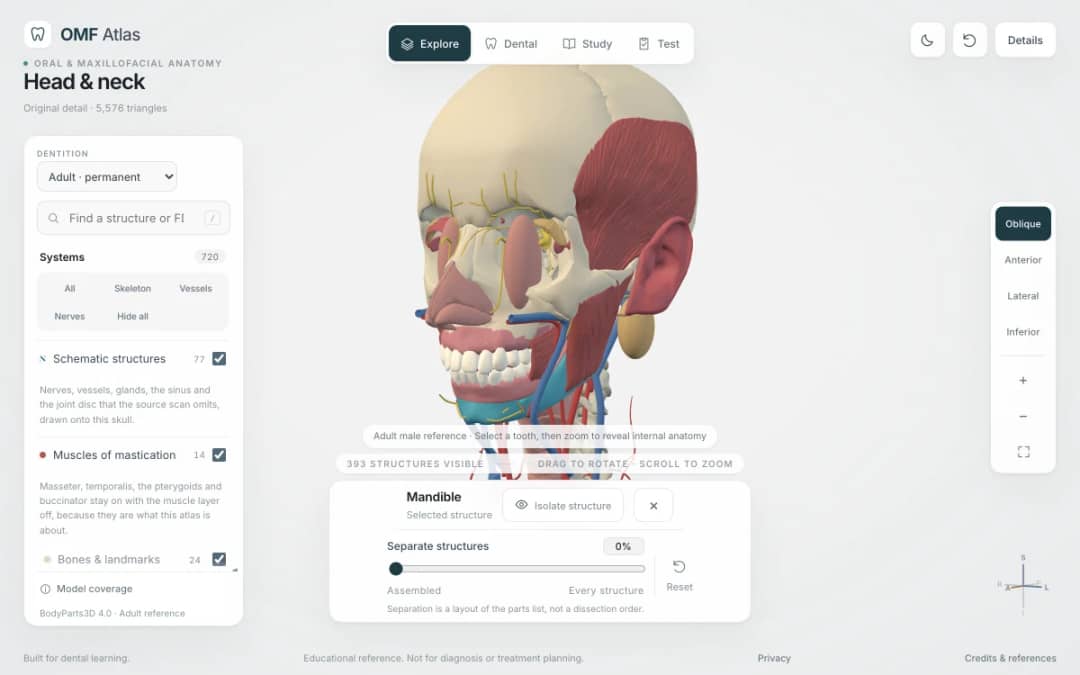
Explore the head and neck in 3D: 643 source meshes across 14 layers, 47 facial and masticatory muscles, and 77 drawn nerves, vessels and glands the source scan omits. Open any tooth onto its own pulp canal, and follow the seven stages of tooth development.

Free interactive photosynthesis simulation. Explore photosynthesis hands-on online — great for whole-class or independent practice.

Free interactive states of matter simulation. Explore states of matter hands-on online — great for whole-class or independent practice.
Nga modeli te provat
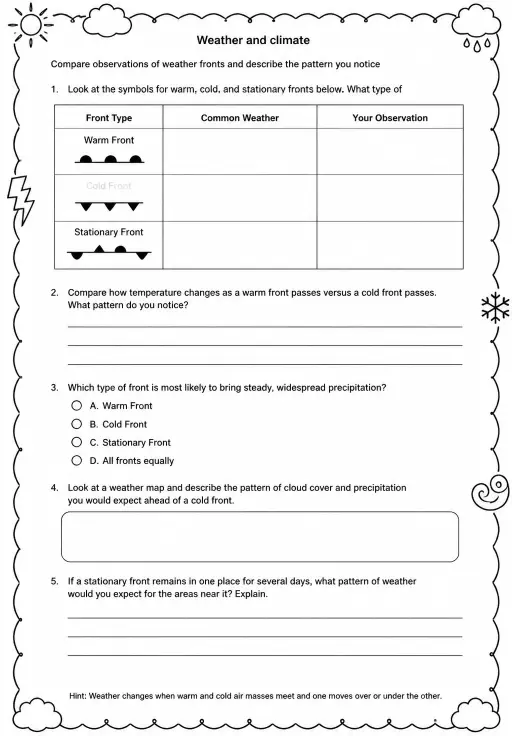
Përdorni një fletë pune për të mbledhur parashikimet, vëzhgimet dhe shpjegimet pasi nxënësit të kenë eksploruar.
Hapësira falas e mësuesit në KiwiBee bashkon në një vend planifikimin e mësimit, fletët e punës, mjetet e klasës dhe regjistrin e notave.
Filloni falas dhe krijoni klasën tuaj të parë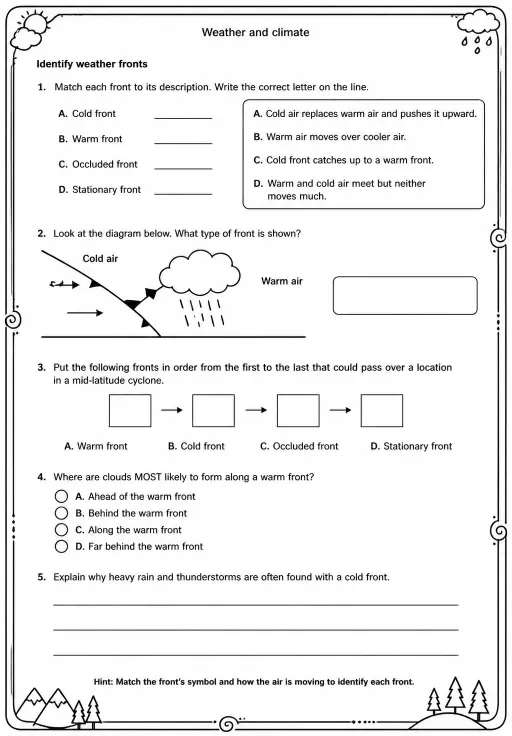
 Ballina
 Të gjitha zgjidhjet
 Çmimet
 Rreth nesh
 KiwiBee për organizatat jofitimprurëse
 Evente dhe webinare
 Për organizatat e mëdha
 Për shkollat
 Për qendrat mësimore
 Për drejtuesit e ekipeve
 Për mësuesit
 AI dhe burime
 Burimet
 Fletë pune të shtypshme
 Paketa mësimore
 Simulime interaktive
 Mjete për mësuesit
 Studio AI
 Ide dhe kërkime