
Respiratory · Circulatory · Urinary · Skeletal · Muscular · Nervous
—
KiwiBee uses optional Google Analytics, Google Ads, and Meta Pixel cookies to understand adult visitors, measure completed sign-ups, and improve campaigns. Essential cookies always stay on. OpenAI’s ChatGPT Ads Pixel also measures page views and completed enquiries after advertising consent, and may use hashed contact details for matching. Privacy policy
Predator and prey populations are linked in a dynamic balance. When prey is plentiful food fuels predator growth; more predators then eat more prey, reducing the prey population, which in turn causes predator numbers to drop — and the cycle repeats. This Lotka-Volterra-type oscillation is a cornerstone of ecology. Students can change starting prey and starting predators and compare what happens. Use it for biology inquiry with Grades 4–5, Middle School, and High School on a projector or student device.
ស្តង់ដារ៖ NGSS MS-LS2-1
Yes. Open the Ecosystems simulation in a modern browser with no download or sign-up required.
The simulation includes learning-level presets spanning Grades 4–5, Middle School, and High School. Choose the level that matches your class, then use it on a projector or student devices.
ដាក់វាចូលទៅក្នុង LMS ប្លក់ ឬគេហទំព័រថ្នាក់រៀនរបស់អ្នក — ឥតគិតថ្លៃ។
<iframe src="https://kiwibee.io/km/simulations/ecosystems-simulation/embed" title="Ecosystems Interactive Simulation | KiwiBee" loading="lazy" allowfullscreen style="width:100%;height:min(70vh,620px);min-height:420px;border:0;border-radius:16px"></iframe>បន្តស្វែងរក
Respiratory · Circulatory · Urinary · Skeletal · Muscular · Nervous

Free interactive photosynthesis simulation. Explore photosynthesis hands-on online — great for whole-class or independent practice.

Free interactive food webs simulation. Explore food webs hands-on online — great for whole-class or independent practice.

Explore an open 3D animal-cell model and investigate how cell size changes surface area and volume.

Free interactive plant growth simulation. Explore plant growth hands-on online — great for whole-class or independent practice.
ពីម៉ូដែលទៅភស្តុតាង
ប្រើសន្លឹកកិច្ចការដើម្បីកត់ត្រាការព្យាករណ៍ ការសង្កេត និងការពន្យល់ បន្ទាប់ពីសិស្សបានស្វែងយល់។
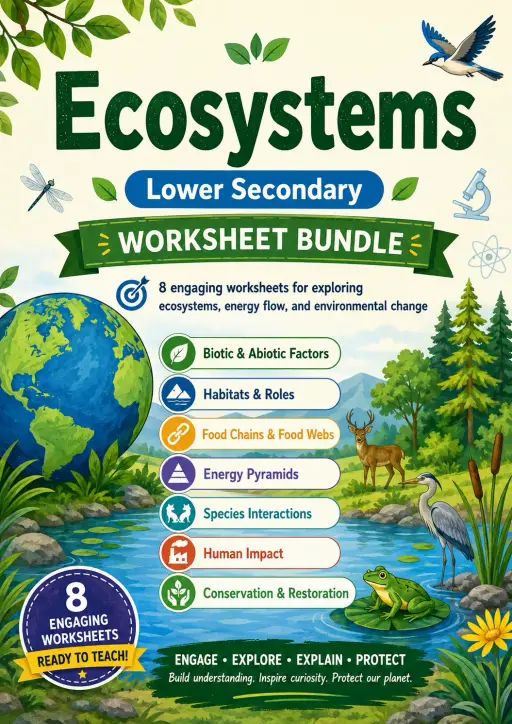
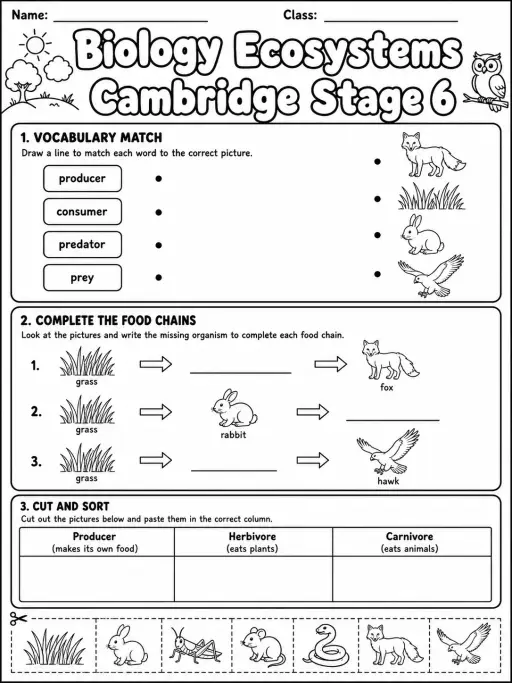
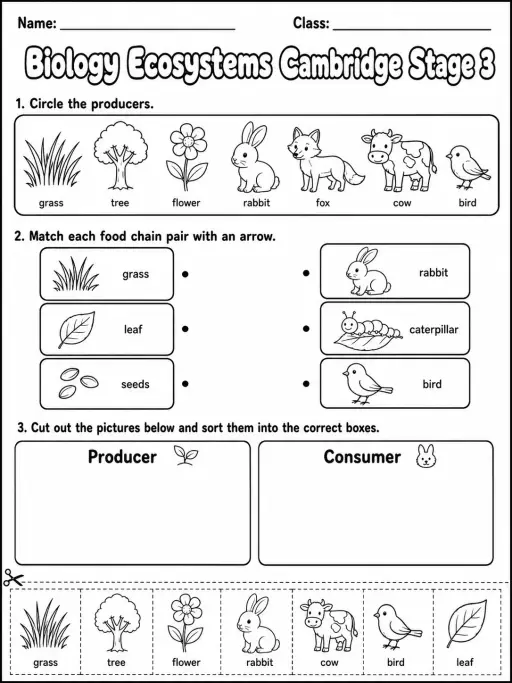
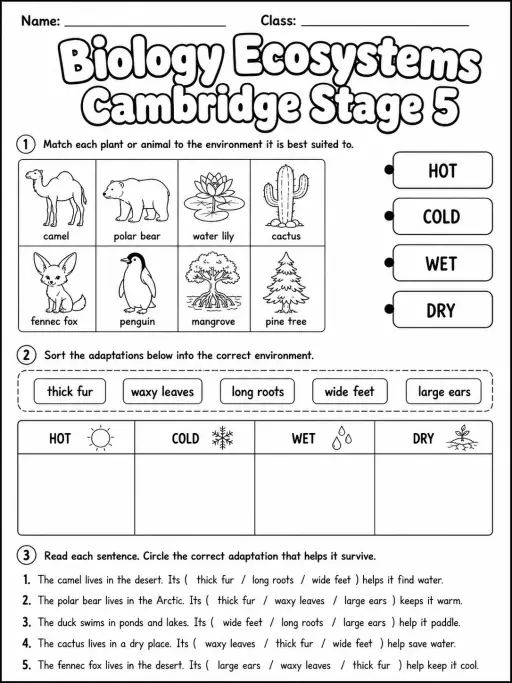
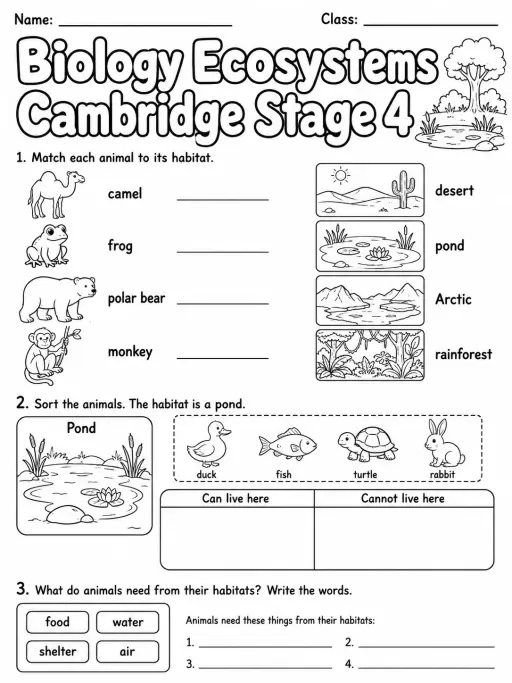
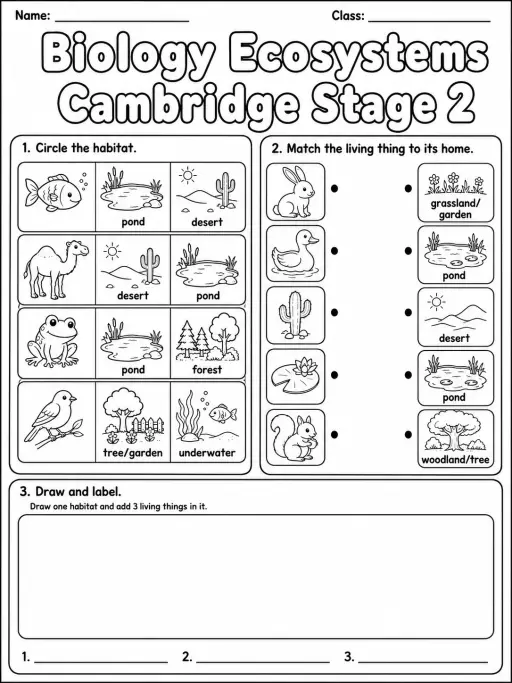
ទីតាំងការងារសម្រាប់គ្រូដោយឥតគិតថ្លៃ KiwiBee នាំមកនូវការរៀបចំមេរៀន សន្លឹកកិច្ចការ ឧបករណ៍ក្នុងថ្នាក់ និងសៀវភៅពិន្ទុ ទាំងអស់នៅកន្លែងតែមួយ។
ចាប់ផ្តើមឥតគិតថ្លៃ និងបង្កើតថ្នាក់ដំបូងរបស់អ្នក ទំព័រដើម
 ដំណោះស្រាយទាំងអស់
 តម្លៃ
 អំពីយើង
 KiwiBee សម្រាប់អង្គការមិនស្វែងរកប្រាក់ចំណេញ
 ព្រឹត្តិការណ៍ និងសិក្ខាសាលាអនឡាញ
 សម្រាប់អង្គភាពធំ
 សម្រាប់សាលារៀន
 សម្រាប់មជ្ឈមណ្ឌល
 សម្រាប់ប្រធានក្រុម
 សម្រាប់គ្រូ
 AI និងធនធាន
 ធនធាន
 សន្លឹកកិច្ចការសម្រាប់បោះពុម្ព
 កញ្ចប់មេរៀន
 ការពិសោធន៍និម្មិតអន្តរកម្ម
 ឧបករណ៍គ្រូ
 ស្ទូឌីយ៉ូ AI
 គំនិត និងការស្រាវជ្រាវ