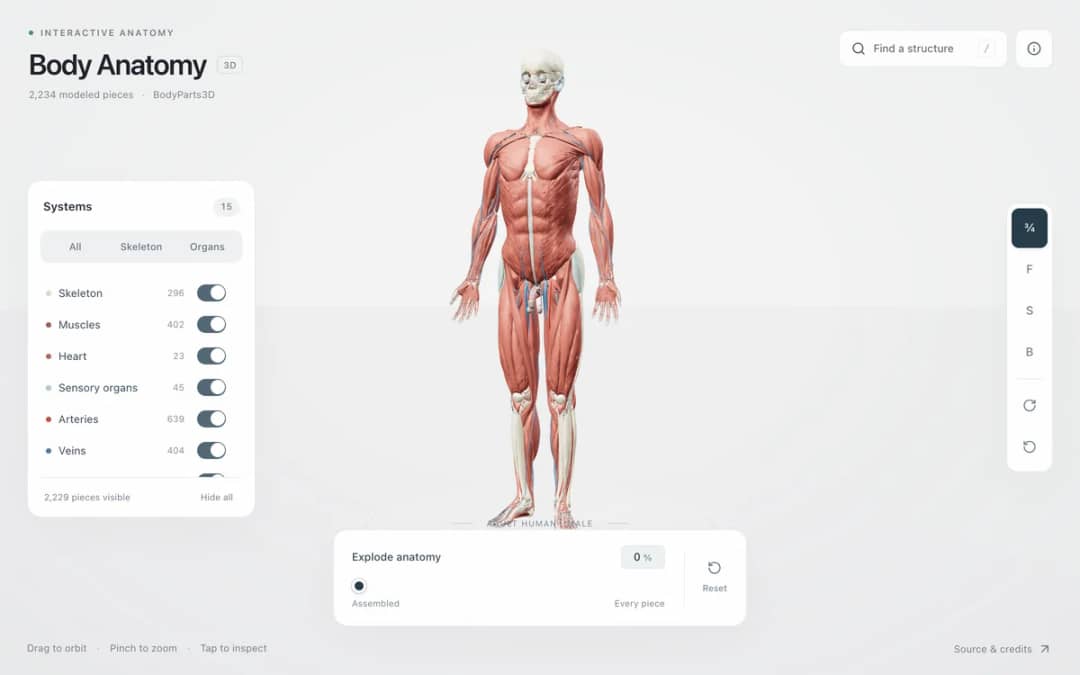
Explore an adult male reference body in 3D. Reveal 14 anatomical systems, search thousands of named structures, isolate organs, and pull 2,209 modeled pieces apart to see how the body is organized.
—
KiwiBee usa cookies opcionales de Google Analytics, Google Ads y Meta Pixel para entender a los visitantes adultos, medir los registros completados y mejorar las campañas. Las cookies esenciales siempre permanecen activas. El píxel de anuncios de ChatGPT de OpenAI también mide las visitas y las consultas enviadas tras aceptar la publicidad, y puede usar datos de contacto cifrados mediante hash para la atribución. Política de privacidad
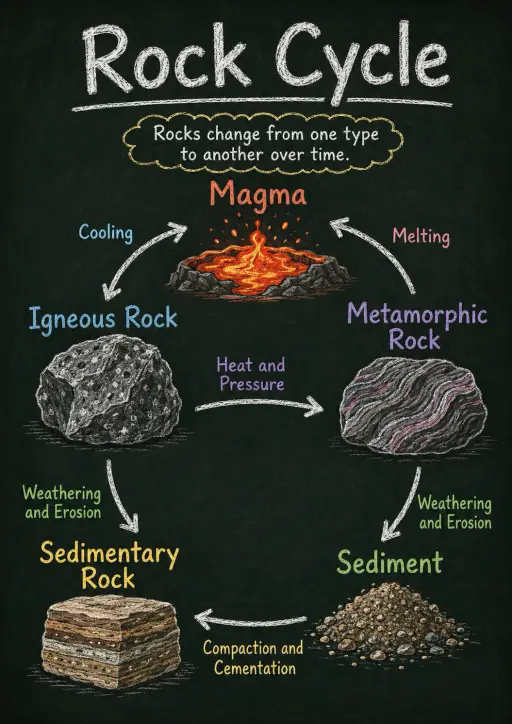
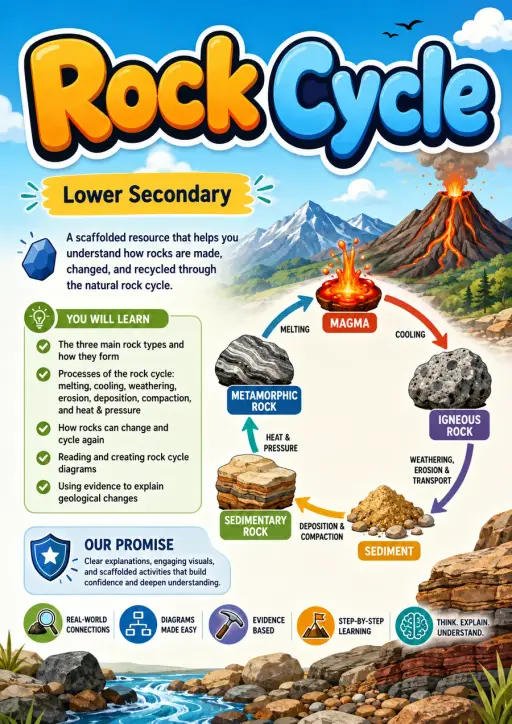
The Rock Cycle 3D Lab links large-scale tectonic and surface processes in Earth's crust to the microscopic mineral textures of rocks. On the left, a 3D geological cross-section features a glowing underground magma pluton, an erupting volcano cone, a layered sedimentary basin, and a deep metamorphic heat-and-pressure zone. On the right, a rotating 3D rock specimen inside a magnifier ring displays procedural mineral textures for coarse intrusive Granite, fine extrusive Basalt, layered clastic Sandstone, and banded foliated Gneiss. Students drag the specimen marker between crust stations or adjust depth and cooling/pressure sliders to see real-time changes in temperature, pressure, and crystal texture.
Granite forms from magma trapped deep underground where surrounding rock insulates it, allowing crystals thousands of years to grow large. Basalt forms from lava extruded onto Earth's surface that chills rapidly before large crystals can form.
Yes. Igneous, sedimentary, or metamorphic rocks uplifted to the surface can weather into sediment to become sedimentary rock, be buried and heated into metamorphic rock, or melt completely into magma to cool into new igneous rock.
Metamorphic rocks recrystallise and align their minerals in the solid state under high heat and directed pressure without melting. Once a rock melts completely into magma or lava, any rock that solidifies from it is classified as igneous.
Colócala en tu LMS, blog o sitio de clase, gratis.
<iframe src="https://kiwibee.io/es/simulations/rock-cycle-minerals-3d-3d-simulation/embed" title="The Rock Cycle 3D Lab | KiwiBee" loading="lazy" allowfullscreen style="width:100%;height:min(70vh,620px);min-height:420px;border:0;border-radius:16px"></iframe>Sigue explorando
Explore an adult male reference body in 3D. Reveal 14 anatomical systems, search thousands of named structures, isolate organs, and pull 2,209 modeled pieces apart to see how the body is organized.
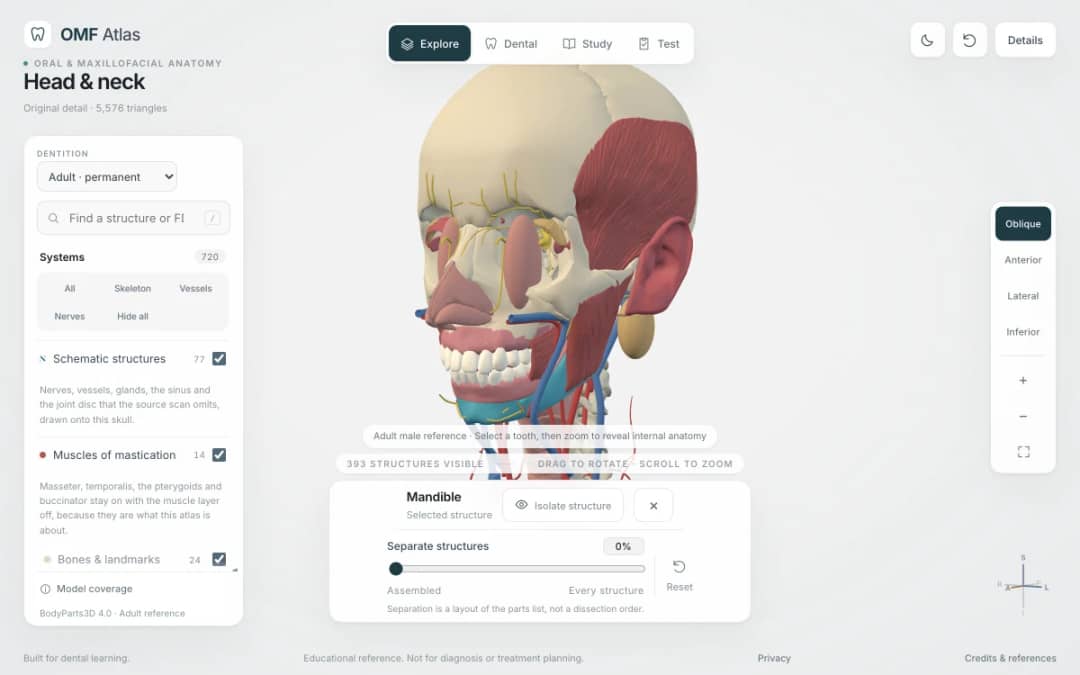
Explore the head and neck in 3D: 643 source meshes across 14 layers, 47 facial and masticatory muscles, and 77 drawn nerves, vessels and glands the source scan omits. Open any tooth onto its own pulp canal, and follow the seven stages of tooth development.

Free interactive photosynthesis simulation. Explore photosynthesis hands-on online — great for whole-class or independent practice.

Free interactive states of matter simulation. Explore states of matter hands-on online — great for whole-class or independent practice.

Free interactive shadows simulation. Explore shadows hands-on online — great for whole-class or independent practice.
Del modelo a la evidencia
Usa una ficha para recoger predicciones, observaciones y explicaciones después de que los alumnos exploren.
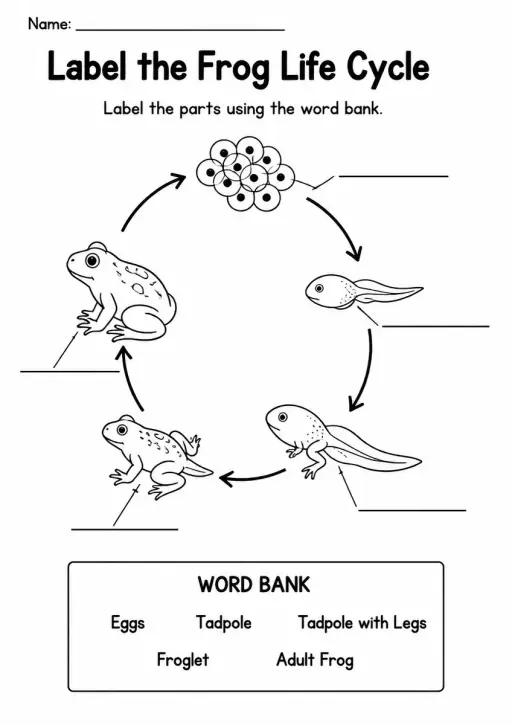


El espacio de trabajo gratuito para docentes de KiwiBee reúne en un solo lugar la planificación de clases, las fichas, las herramientas de aula y el libro de calificaciones.
Empieza gratis y crea tu primera clase Inicio
 Todas las soluciones
 Precios
 Quiénes somos
 KiwiBee para organizaciones sin fines de lucro
 Eventos y seminarios web
 Para grandes organizaciones
 Para escuelas
 Para centros de aprendizaje
 Para líderes de equipo
 Para docentes
 IA y recursos
 Recursos
 Hojas de trabajo imprimibles
 Paquetes didácticos
 Simulaciones interactivas
 Herramientas para docentes
 Estudio de IA
 Ideas e investigación