
Free interactive photosynthesis simulation. Explore photosynthesis hands-on online — great for whole-class or independent practice.
—
KiwiBee usa cookies opcionales de Google Analytics, Google Ads y Meta Pixel para entender a los visitantes adultos, medir los registros completados y mejorar las campañas. Las cookies esenciales siempre permanecen activas. El píxel de anuncios de ChatGPT de OpenAI también mide las visitas y las consultas enviadas tras aceptar la publicidad, y puede usar datos de contacto cifrados mediante hash para la atribución. Política de privacidad
Photosynthesis Explorer is a five-level 3D simulation for secondary biology. Students start with a leaf cut open, tap any tissue to learn its job, then zoom into a chloroplast, onto a thylakoid membrane where electrons flow from water through photosystem II and photosystem I while protons drive ATP synthase, and into the Calvin cycle where carbon atoms can be counted. The rate comes from the leaf model plant scientists use, so changing light intensity, light colour, CO₂ and temperature gives realistic numbers, a limiting factor and a light compensation point. Switches add drought, the herbicide DCMU and cyclic electron flow, and a 3D rate surface with recorded readings supports fair-test investigations.
Yes. It runs in any modern browser, including interactive whiteboards, tablets and phones, with no sign-up or download.
A leaf cross-section, a single chloroplast, a patch of thylakoid membrane with the electron transport chain and ATP synthase, the Calvin cycle in the stroma, and a 3D graph of the rate for every mix of light and CO₂.
They come from the Farquhar, von Caemmerer and Berry leaf model: the leaf goes as fast as the slower of its light reactions and RuBisCO, minus photorespiration and respiration. Moving particles and counts are slowed down and schematic so you can follow them.
DCMU blocks the place where plastoquinone collects electrons from photosystem II. Electrons stop flowing, no oxygen or NADPH is made, sugar production stops and the trapped light energy comes out as red fluorescence.
Linear electron flow alone makes about 1.29 ATP for every NADPH, but the Calvin cycle needs 1.5. Cyclic flow around photosystem I pumps extra protons and tops up the ATP without making NADPH.
Colócala en tu LMS, blog o sitio de clase, gratis.
<iframe src="https://kiwibee.io/es/simulations/photosynthesis-explorer-3d-simulation/embed" title="Photosynthesis Explorer | KiwiBee" loading="lazy" allowfullscreen style="width:100%;height:min(70vh,620px);min-height:420px;border:0;border-radius:16px"></iframe>Sigue explorando
Free interactive photosynthesis simulation. Explore photosynthesis hands-on online — great for whole-class or independent practice.
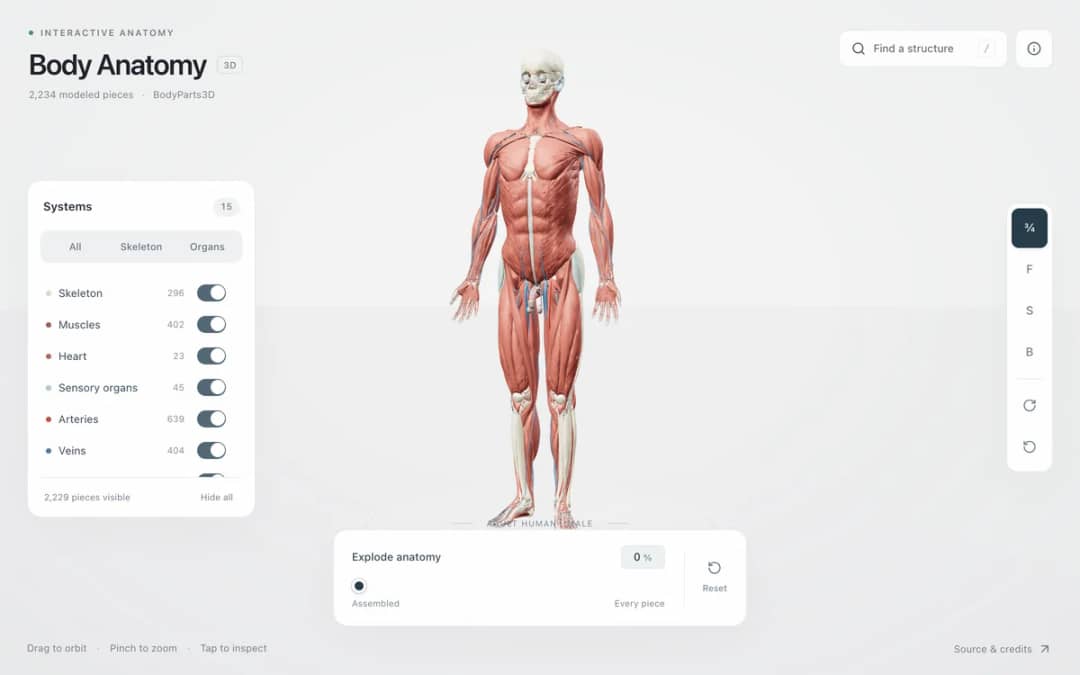
Explore an adult male reference body in 3D. Reveal 14 anatomical systems, search thousands of named structures, isolate organs, and pull 2,209 modeled pieces apart to see how the body is organized.
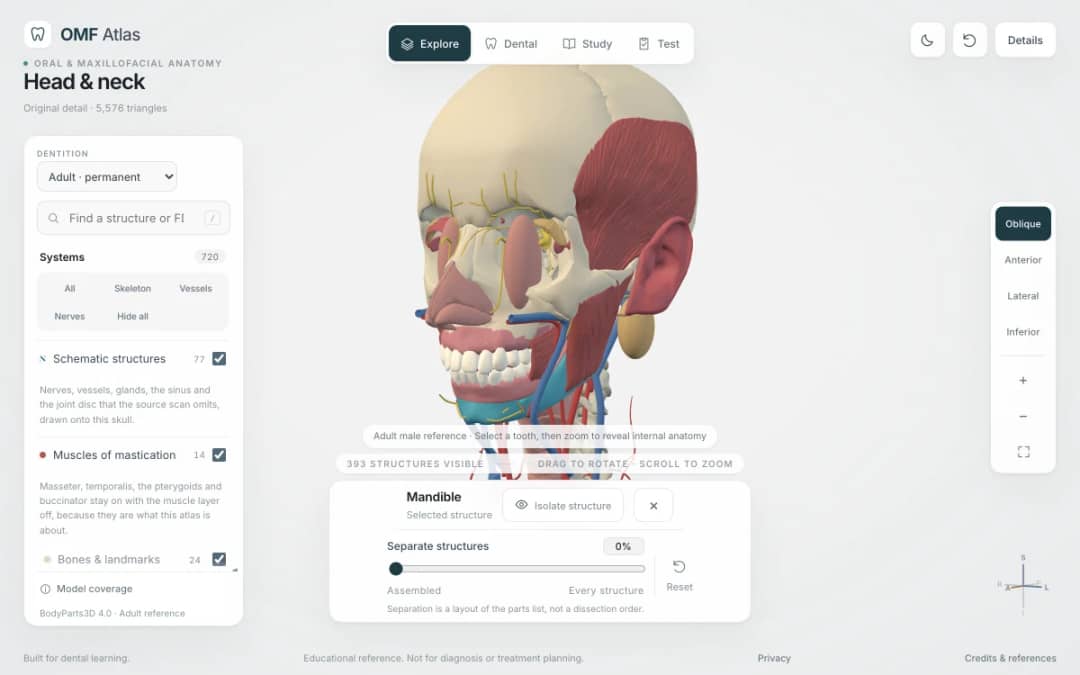
Explore the head and neck in 3D: 643 source meshes across 14 layers, 47 facial and masticatory muscles, and 77 drawn nerves, vessels and glands the source scan omits. Open any tooth onto its own pulp canal, and follow the seven stages of tooth development.

Free interactive states of matter simulation. Explore states of matter hands-on online — great for whole-class or independent practice.

Free interactive shadows simulation. Explore shadows hands-on online — great for whole-class or independent practice.
Del modelo a la evidencia
Usa una ficha para recoger predicciones, observaciones y explicaciones después de que los alumnos exploren.
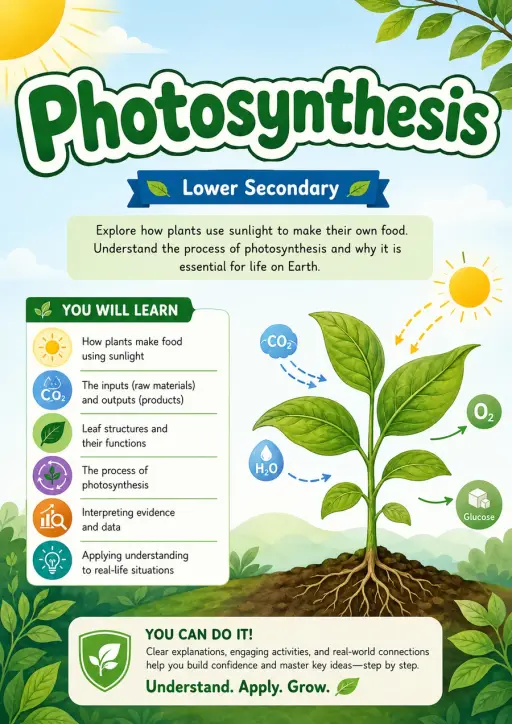
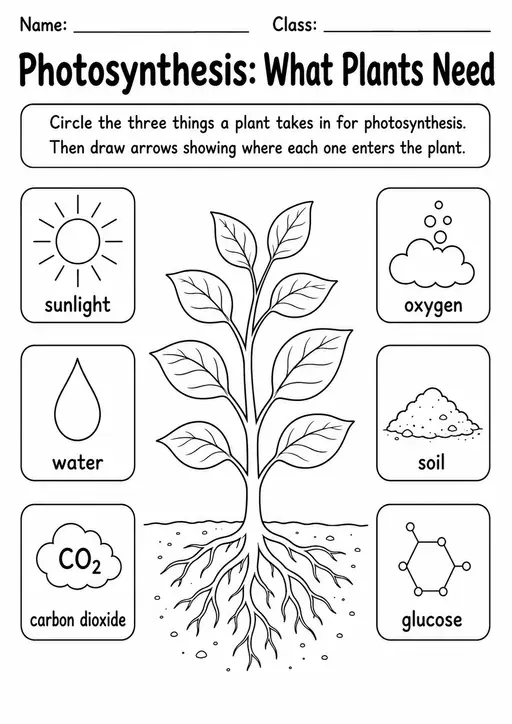
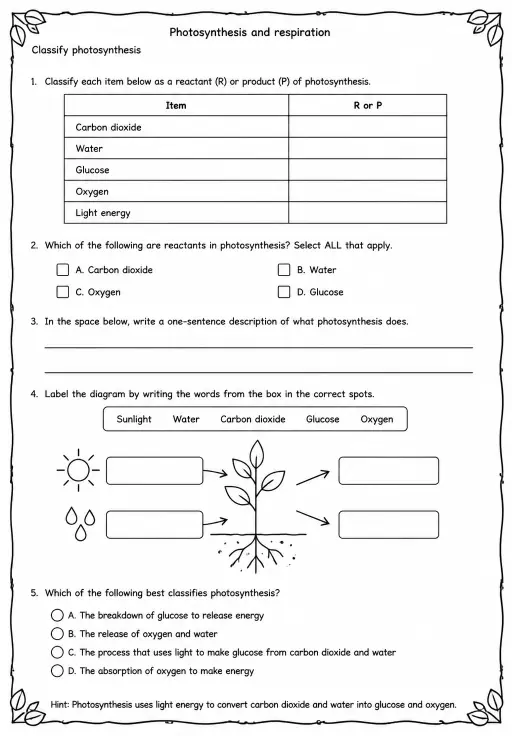
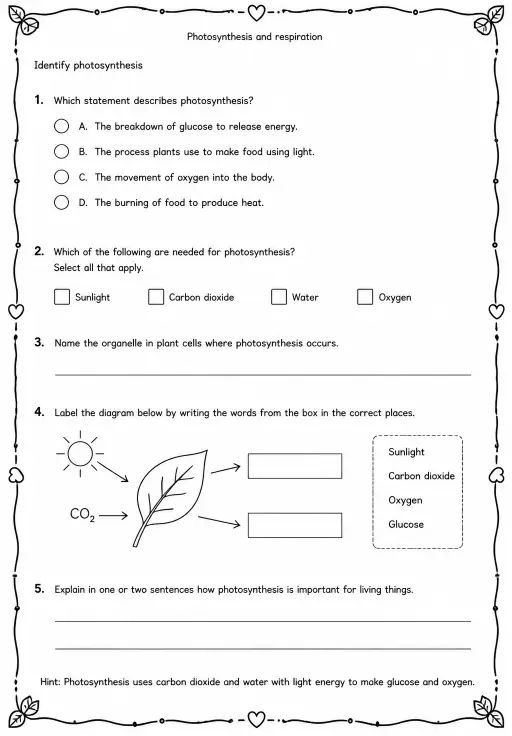
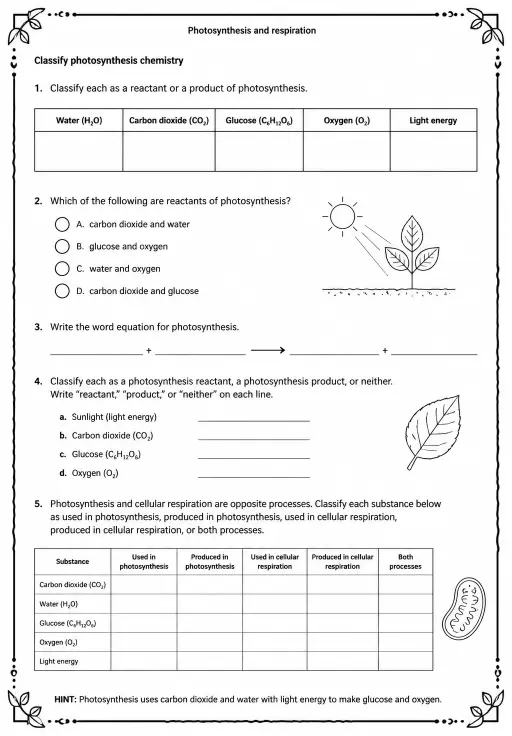
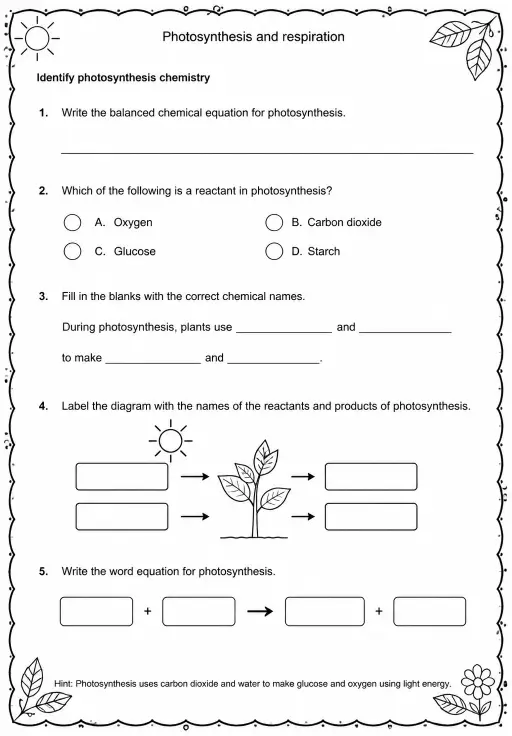
El espacio de trabajo gratuito para docentes de KiwiBee reúne en un solo lugar la planificación de clases, las fichas, las herramientas de aula y el libro de calificaciones.
Empieza gratis y crea tu primera clase Inicio
 Todas las soluciones
 Precios
 Quiénes somos
 KiwiBee para organizaciones sin fines de lucro
 Eventos y seminarios web
 Para grandes organizaciones
 Para escuelas
 Para centros de aprendizaje
 Para líderes de equipo
 Para docentes
 IA y recursos
 Recursos
 Hojas de trabajo imprimibles
 Paquetes didácticos
 Simulaciones interactivas
 Herramientas para docentes
 Estudio de IA
 Ideas e investigación