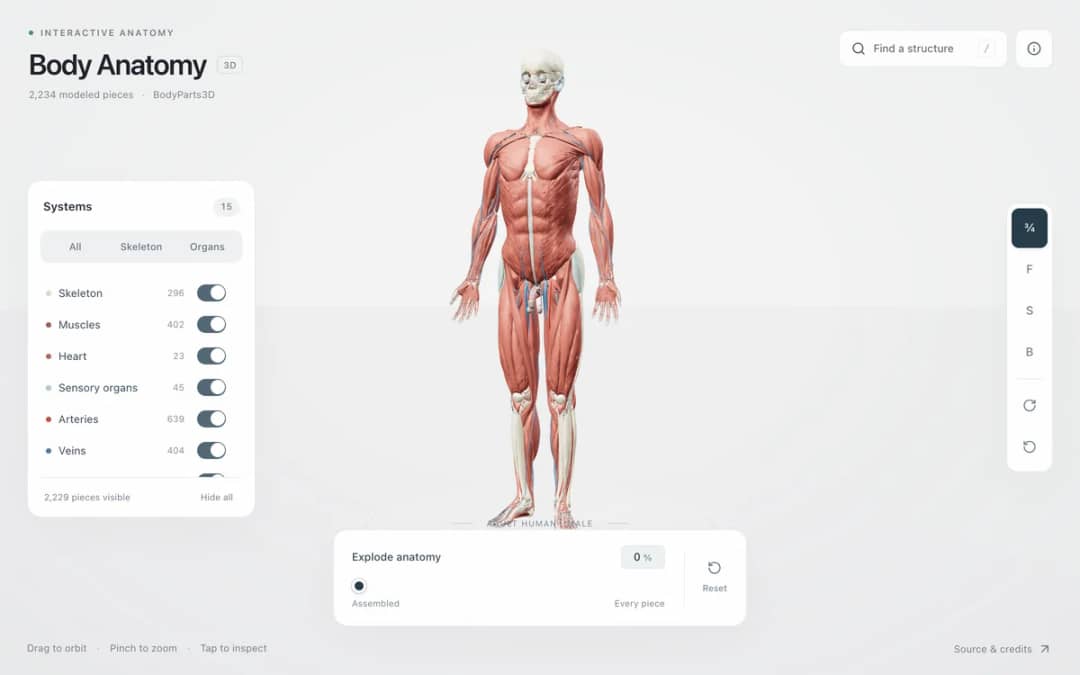
Explore an adult male reference body in 3D. Reveal 14 anatomical systems, search thousands of named structures, isolate organs, and pull 2,209 modeled pieces apart to see how the body is organized.
—
KiwiBee usa cookies opcionales de Google Analytics, Google Ads y Meta Pixel para entender a los visitantes adultos, medir los registros completados y mejorar las campañas. Las cookies esenciales siempre permanecen activas. El píxel de anuncios de ChatGPT de OpenAI también mide las visitas y las consultas enviadas tras aceptar la publicidad, y puede usar datos de contacto cifrados mediante hash para la atribución. Política de privacidad
Students drag the three stations or the red earthquake across a map where one square equals 10 km. Each ring shows the distance a station works out from the delay between P and S waves. Sliders set P speed, S speed and timing noise, a toggle hides or shows the quake, and New random quake sets a fresh puzzle. Students place the green pin at the crossing point and read the Guess error. It shows why one station gives only a circle and three stations pinpoint an epicentre.
Yes. Epicentre Triangulation is free and needs no sign-up. It runs in any modern browser, including interactive whiteboards, tablets and phones, so you can open it straight from a lesson link.
One station only gives a distance, so the quake could be anywhere on a circle. Two circles cross at two points, and a third circle picks out the single epicentre.
Drag the stations or the red quake around the map, then drag the green pin to where the rings meet. Press New random quake for another puzzle.
P waves arrive first because they travel faster, around 6 km per second in the crust. S waves travel more slowly, around 3.5 km per second, so the gap grows with distance.
Colócala en tu LMS, blog o sitio de clase, gratis.
<iframe src="https://kiwibee.io/es/simulations/epicentre-triangulation-3d-simulation/embed" title="Epicentre Triangulation | KiwiBee" loading="lazy" allowfullscreen style="width:100%;height:min(70vh,620px);min-height:420px;border:0;border-radius:16px"></iframe>Sigue explorando
Explore an adult male reference body in 3D. Reveal 14 anatomical systems, search thousands of named structures, isolate organs, and pull 2,209 modeled pieces apart to see how the body is organized.
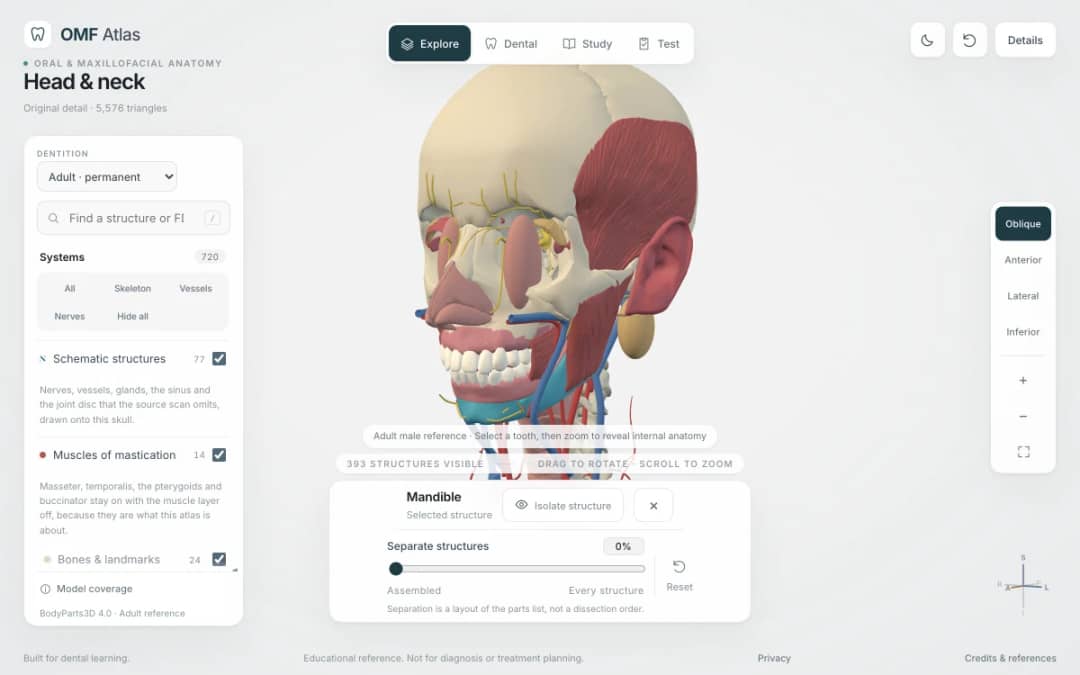
Explore the head and neck in 3D: 643 source meshes across 14 layers, 47 facial and masticatory muscles, and 77 drawn nerves, vessels and glands the source scan omits. Open any tooth onto its own pulp canal, and follow the seven stages of tooth development.

Free interactive photosynthesis simulation. Explore photosynthesis hands-on online — great for whole-class or independent practice.

Free interactive states of matter simulation. Explore states of matter hands-on online — great for whole-class or independent practice.

Free interactive shadows simulation. Explore shadows hands-on online — great for whole-class or independent practice.
Del modelo a la evidencia
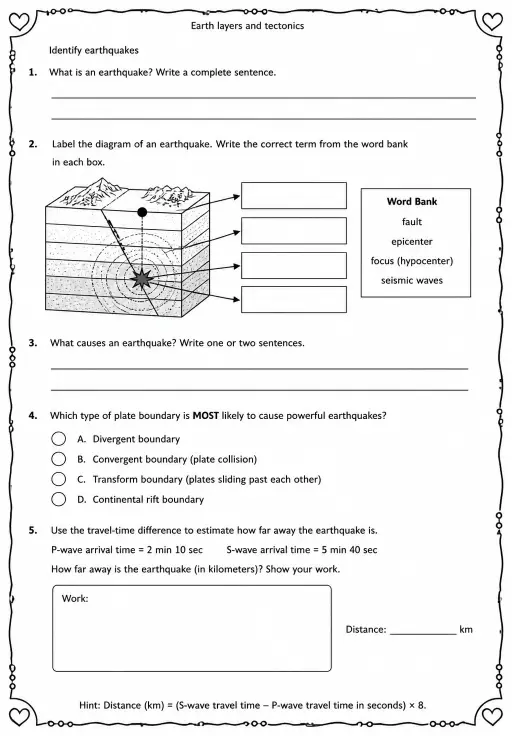
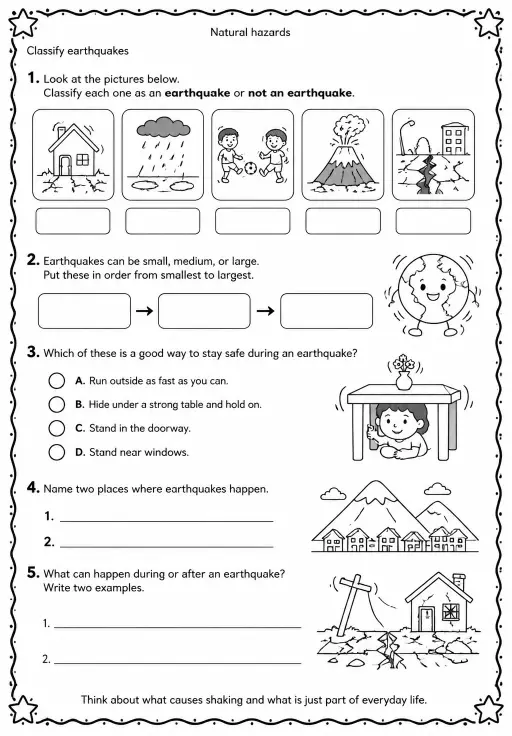
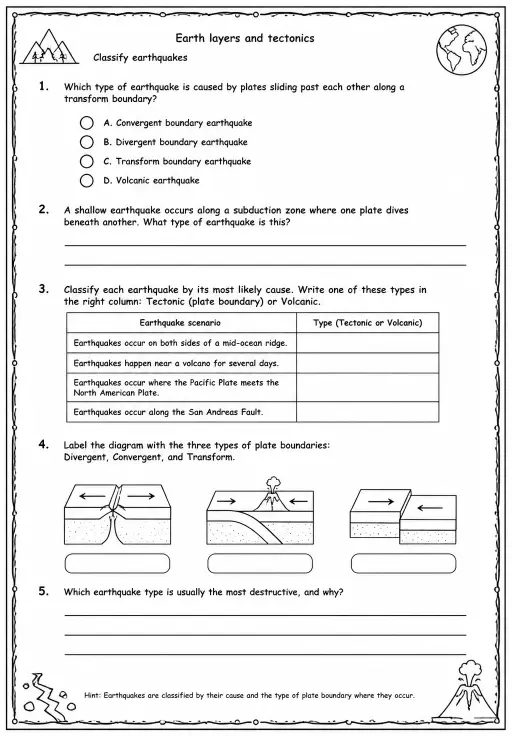
Usa una ficha para recoger predicciones, observaciones y explicaciones después de que los alumnos exploren.
El espacio de trabajo gratuito para docentes de KiwiBee reúne en un solo lugar la planificación de clases, las fichas, las herramientas de aula y el libro de calificaciones.
Empieza gratis y crea tu primera clase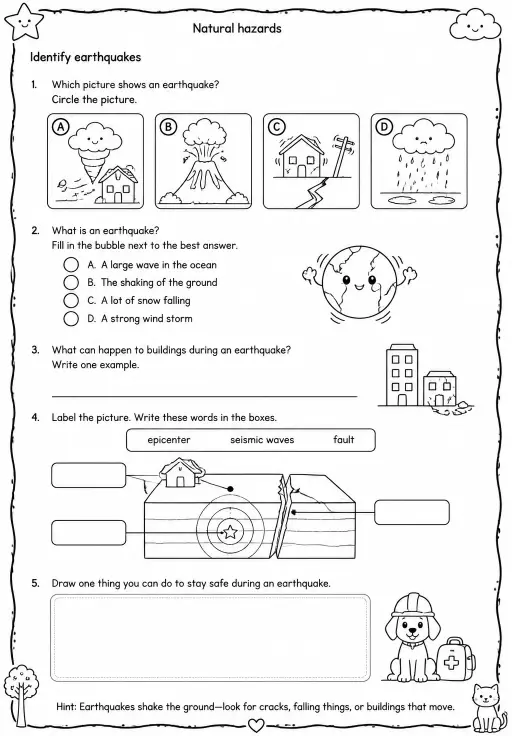
 Inicio
 Todas las soluciones
 Precios
 Quiénes somos
 KiwiBee para organizaciones sin fines de lucro
 Eventos y seminarios web
 Para grandes organizaciones
 Para escuelas
 Para centros de aprendizaje
 Para líderes de equipo
 Para docentes
 IA y recursos
 Recursos
 Hojas de trabajo imprimibles
 Paquetes didácticos
 Simulaciones interactivas
 Herramientas para docentes
 Estudio de IA
 Ideas e investigación