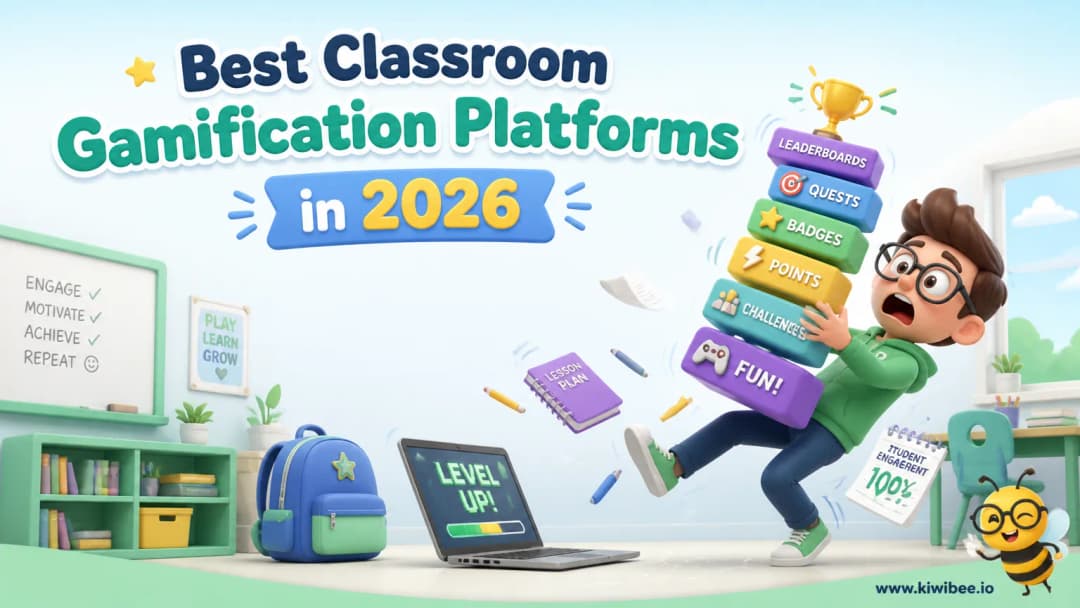
Best Classroom Gamification Platforms in 2026
Best Classroom Gamification Platforms in 2026. An honest review of the leading classroom tools with strengths, weaknesses, and how to pick the right one for your context.
 By KiwiBee· KiwiBee
Last updated June 1, 2026
How we picked these
We ranked these tools by what teachers actually care about in practice: classroom energy, preparation time, student access, reporting depth, and whether the activity connects to the rest of teaching (lessons, gradebook, behaviour, parent communication).
No tool wins on every dimension. The right pick depends on what your week actually looks like — solo teacher vs whole-school rollout, free-tier vs paid, primary vs secondary.
Our shortlist
1. Classcraft
Strong for story-driven RPG mechanics, quests, teams, powers, and long-running classroom narrative. The trade-off: the RPG layer needs sustained teacher narration to keep momentum. Schools often adopt enthusiastically then abandon after a term when the storytelling overhead piles up.
2. Prodigy
Strong for math practice, student-facing RPG mechanics, adaptive questions, pets, quests, and independent practice. The trade-off: math-only and primarily student-facing. Teachers get limited visibility into what students actually practiced, and the freemium model pushes parent purchases of the membership.
3. Kahoot
Strong for live quiz energy, leaderboards, reports, AI generation, standards tagging, and a huge content library. The trade-off: the best features (smart practice, longer question types, team mode, detailed reports) sit behind premium tiers that get expensive fast at school scale. Live-only by default — homework mode is paid.
4. Blooket
Strong for 25+ game modes, live play, solo practice, homework assignments, and student-friendly variety. The trade-off: reporting is shallow compared to Kahoot. No content marketplace, no spaced-repetition smart practice, and the game modes can distract from review density for some classes.
5. Gimkit
Strong for strategic game modes, student-paced assignments, classes, saved progress, and reports for completed assignments. The trade-off: the play-to-learn ratio is off in many modes — students spend significant minutes managing power-ups rather than answering questions. The depth is great for events, not for daily review density.
6. KiwiBee
KiwiBee is free for individual teachers and built to connect lessons, classroom games, behaviour points (ClassSpark), the gradebook, and a parent portal in one platform. Worth a look if the standalone tool feels disconnected from the rest of your teaching. It overlaps with several of the tools above but adds the connected-platform layer they lack. Try it free at app.kiwibee.io.
How to choose
For one-off activities or a tool your team is already using, stick with the familiar option from the shortlist — switching tools costs more than it saves. For a workflow where the activity needs to connect to lessons, the gradebook, and behaviour data, look at a connected platform like KiwiBee alongside the specialist options.
Explore the platform
Continue with KiwiBee
Choose the KiwiBee workspace or resource library that fits what you need next.
Get one practical teaching resource in your inbox each week.
Related posts
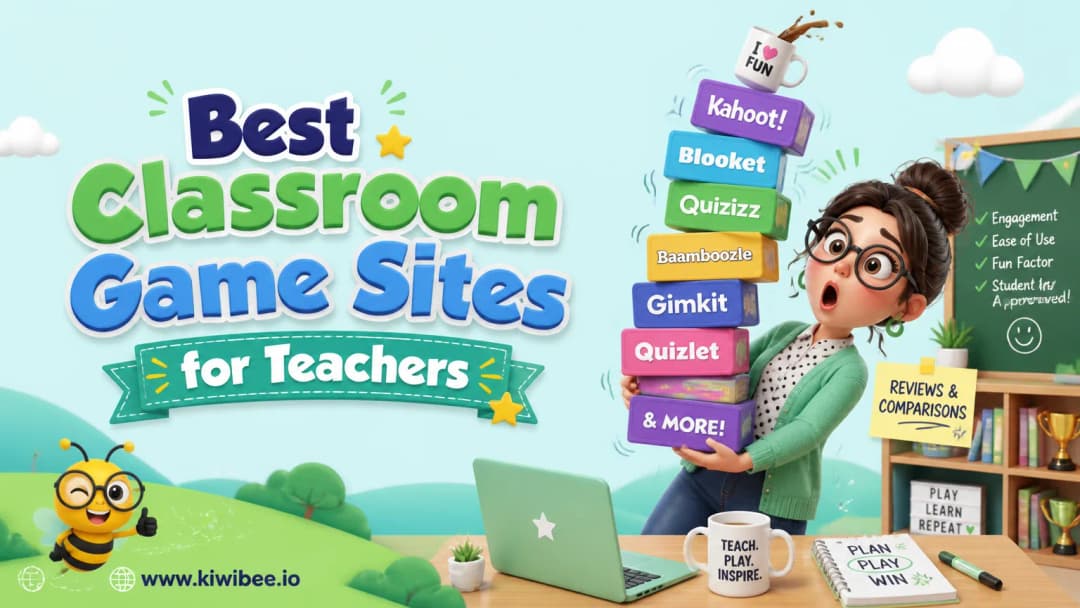
Best Classroom Game Sites for Teachers in 2026
Best Classroom Game Sites for Teachers in 2026. An honest review of the leading classroom tools with strengths, weaknesses, and how to pick the right one for your context.
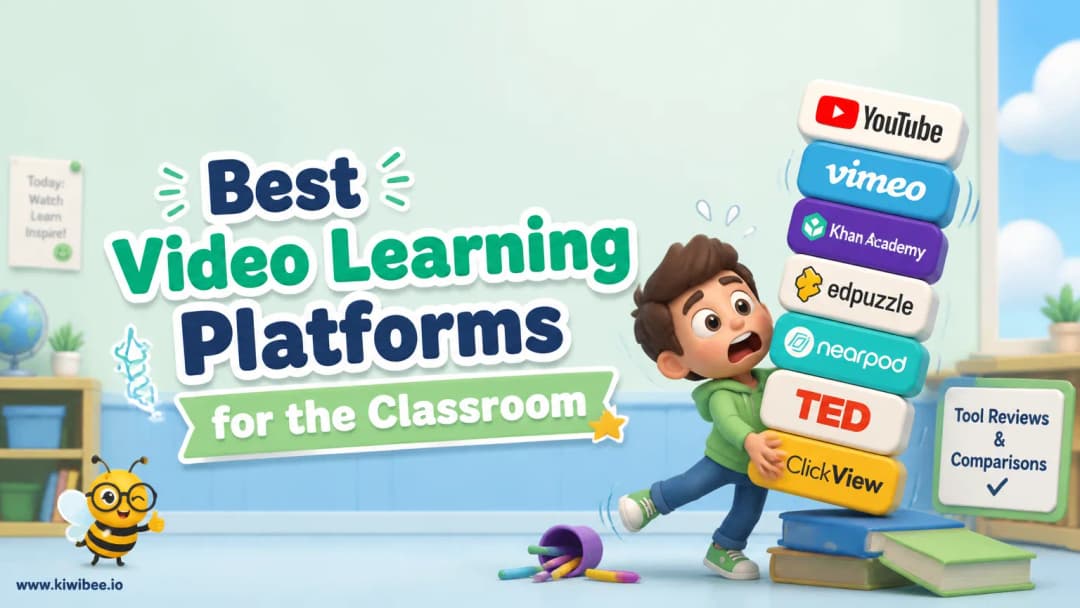
Best Video Learning Platforms for the Classroom (2026)
Best Video Learning Platforms for the Classroom (2026). An honest review of the leading classroom tools with strengths, weaknesses, and how to pick the right one for your context.
Best Classroom Engagement Tools for Teachers (2026)
Best Classroom Engagement Tools for Teachers (2026). An honest review of the leading classroom tools with strengths, weaknesses, and how to pick the right one for your context.
 For big organisations
 For schools
 For centers
 For team leaders
 For teachers
 AI and resources
 Printable worksheets
 Interactive simulations
 Teacher tools
 AI studio
 Ideas and research