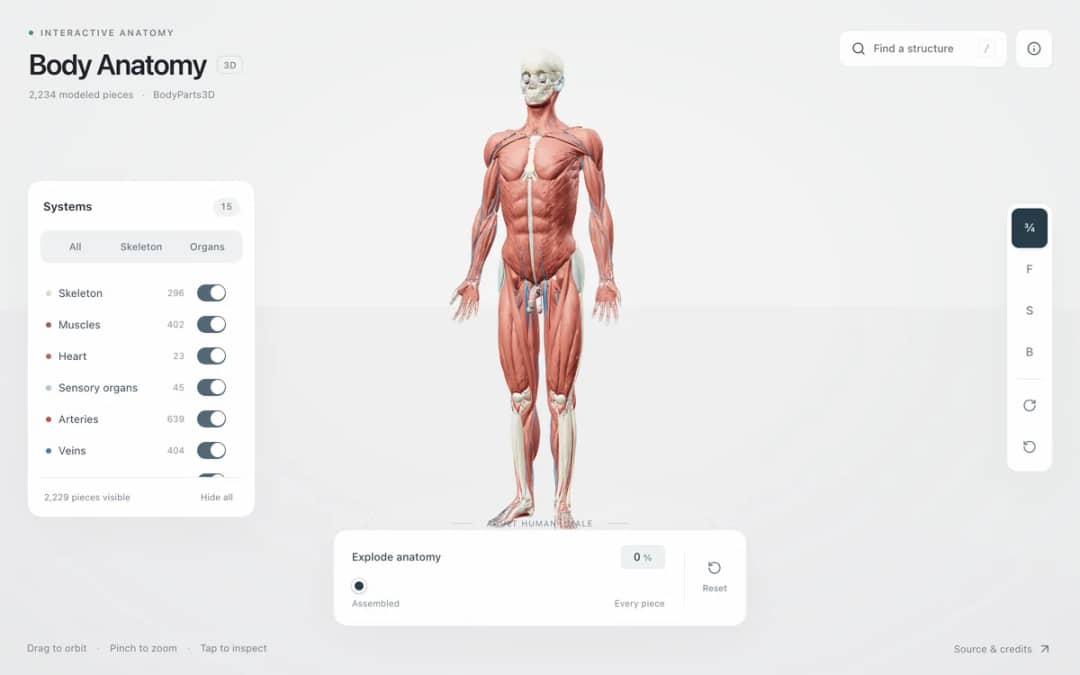
Explore an adult male reference body in 3D. Reveal 14 anatomical systems, search thousands of named structures, isolate organs, and pull 2,209 modeled pieces apart to see how the body is organized.
—
প্রাপ্তবয়স্ক দর্শকদের বুঝতে, সম্পন্ন সাইন-আপ পরিমাপ করতে এবং ক্যাম্পেইন উন্নত করতে KiwiBee ঐচ্ছিক Google Analytics, Google Ads ও Meta Pixel কুকি ব্যবহার করে। প্রয়োজনীয় কুকি সবসময় চালু থাকে। OpenAI-এর ChatGPT Ads Pixel বিজ্ঞাপনের সম্মতির পরে পৃষ্ঠা দেখা ও জমা দেওয়া অনুসন্ধানও পরিমাপ করে এবং মিল খোঁজার জন্য হ্যাশ করা যোগাযোগের তথ্য ব্যবহার করতে পারে। গোপনীয়তা নীতি
পরমাণু ছোট সৌরজগৎ নয়। কোয়ান্টাম বলবিদ্যা পরিমাপের ফলের সম্ভাবনা বলে, নির্দিষ্ট পথে ঘোরা গ্রহ নয়। এটি গাণিতিক দৃশ্য, আলোকচিত্র নয়। বিন্দুগুলো একটি ইলেকট্রনের সম্ভাব্য ফল দেখায়, অনেক ইলেকট্রন নয়। ঘন মেঘ মানে বেশি সম্ভাবনা।
পরমাণু ছোট সৌরজগৎ নয়। কোয়ান্টাম বলবিদ্যা পরিমাপের ফলের সম্ভাবনা বলে, নির্দিষ্ট পথে ঘোরা গ্রহ নয়। এটি গাণিতিক দৃশ্য, আলোকচিত্র নয়। সোনালি বিন্দুটি প্রোটন দেখায়। দৃশ্যমান করতে এটি বড় করা হয়েছে; নিউক্লিয়াস মেঘের চেয়ে অনেক ছোট।
আপনার এলএমএস, ব্লগ বা ক্লাসের সাইটে বসিয়ে দিন — বিনামূল্যে।
<iframe src="https://kiwibee.io/bn/simulations/quantum-atom-simulation/embed" title="কোয়ান্টাম পরমাণু | KiwiBee" loading="lazy" allowfullscreen style="width:100%;height:min(70vh,620px);min-height:420px;border:0;border-radius:16px"></iframe>অনুসন্ধান চালিয়ে যান
Explore an adult male reference body in 3D. Reveal 14 anatomical systems, search thousands of named structures, isolate organs, and pull 2,209 modeled pieces apart to see how the body is organized.
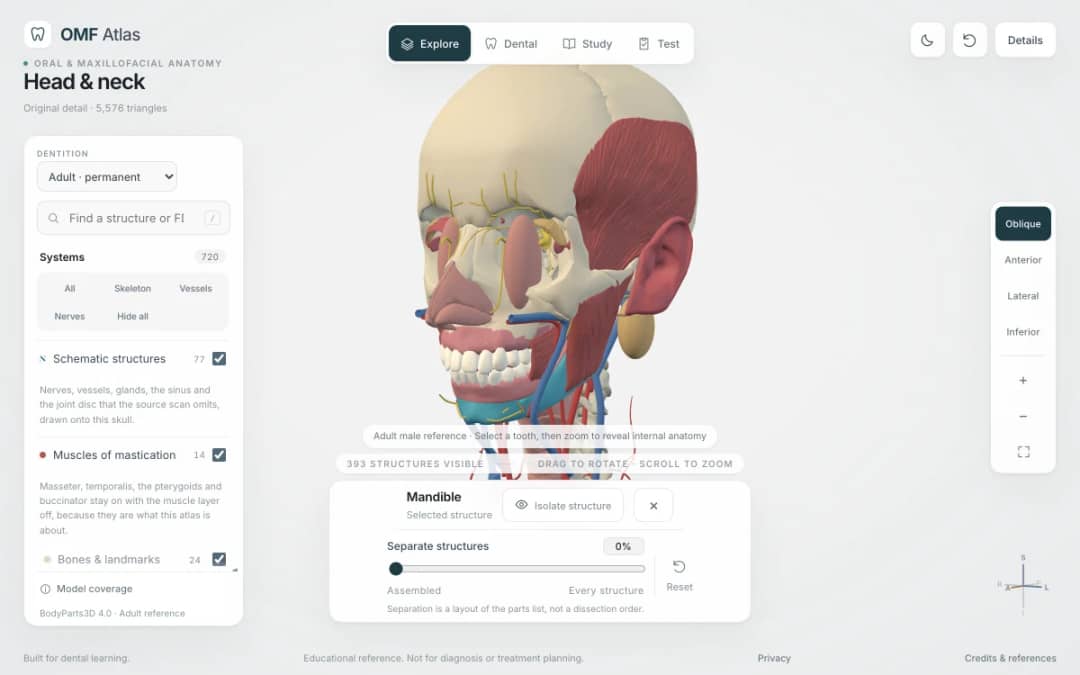
Explore the head and neck in 3D: 643 source meshes across 14 layers, 47 facial and masticatory muscles, and 77 drawn nerves, vessels and glands the source scan omits. Open any tooth onto its own pulp canal, and follow the seven stages of tooth development.

সালোকসংশ্লেষণ-এর বিনামূল্যের ইন্টারঅ্যাকটিভ সিমুলেশন। অনলাইনে হাতে-কলমে সালোকসংশ্লেষণ অনুসন্ধান করুন — পুরো শ্রেণির জন্যও চমৎকার, একক অনুশীলনের জন্যও।

পদার্থের অবস্থা-এর বিনামূল্যের ইন্টারঅ্যাকটিভ সিমুলেশন। অনলাইনে হাতে-কলমে পদার্থের অবস্থা অনুসন্ধান করুন — পুরো শ্রেণির জন্যও চমৎকার, একক অনুশীলনের জন্যও।

ছায়া-এর বিনামূল্যের ইন্টারঅ্যাকটিভ সিমুলেশন। অনলাইনে হাতে-কলমে ছায়া অনুসন্ধান করুন — পুরো শ্রেণির জন্যও চমৎকার, একক অনুশীলনের জন্যও।
মডেল থেকে প্রমাণে
শিক্ষার্থীরা অনুসন্ধান করার পর তাদের অনুমান, পর্যবেক্ষণ ও ব্যাখ্যা লিখে রাখতে ওয়ার্কশিট ব্যবহার করুন।

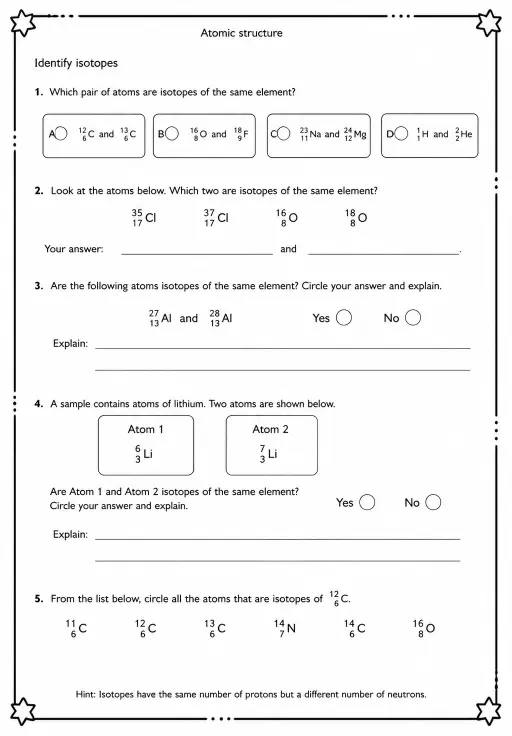
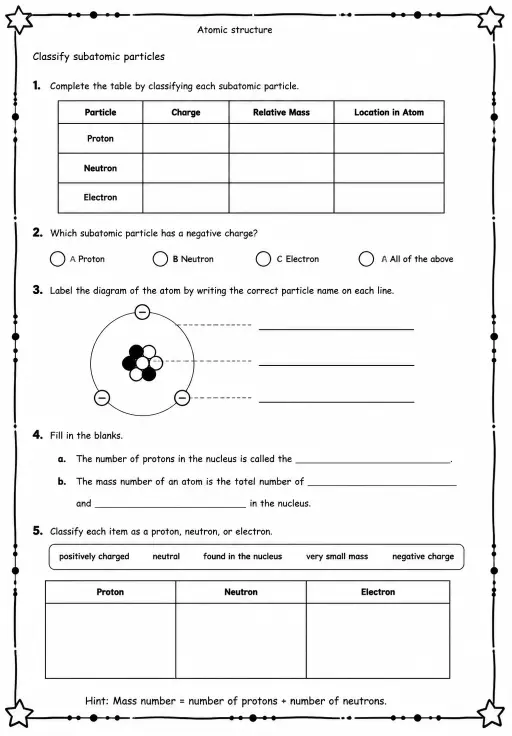
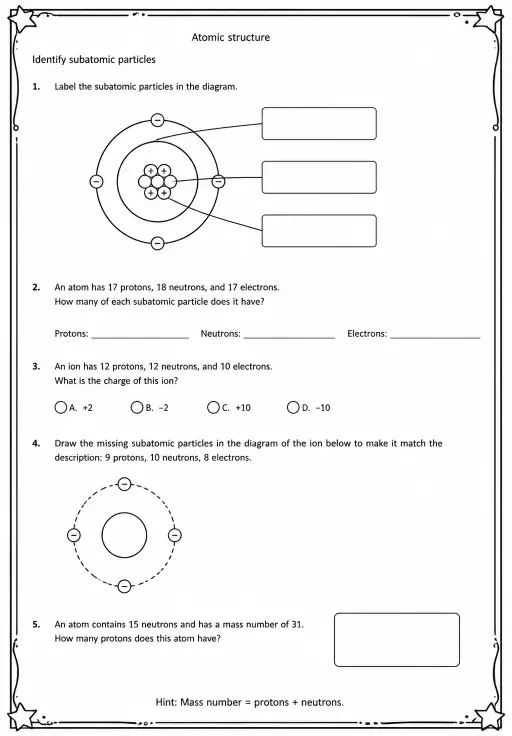
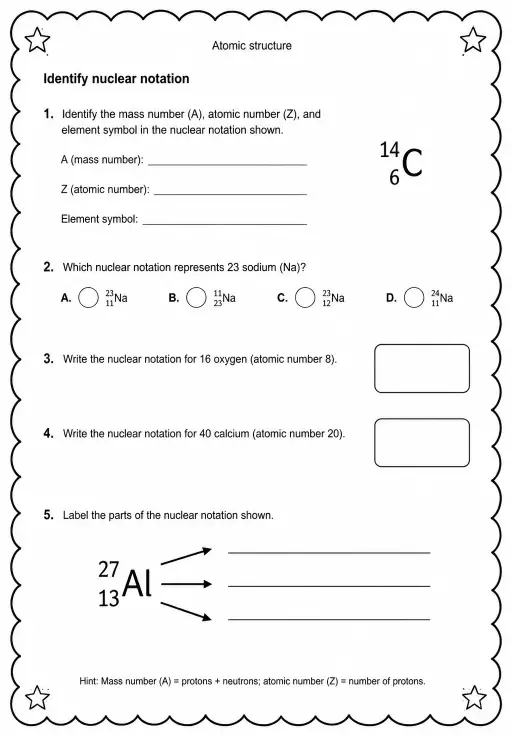
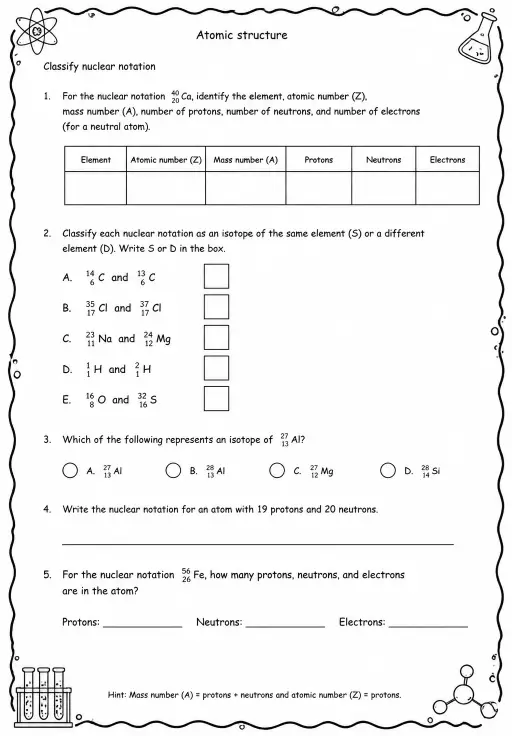
KiwiBee-এর বিনামূল্যের শিক্ষক কর্মক্ষেত্র পাঠ পরিকল্পনা, ওয়ার্কশিট, শ্রেণিকক্ষের সরঞ্জাম ও গ্রেডবুক এক জায়গায় নিয়ে আসে।
বিনামূল্যে শুরু করুন এবং আপনার প্রথম ক্লাস তৈরি করুন হোম
হোম সব সমাধান
 মূল্য
মূল্য আমাদের সম্পর্কে
 অলাভজনক সংস্থার জন্য KiwiBee
 ইভেন্ট ও ওয়েবিনার
 বড় প্রতিষ্ঠানের জন্য
 স্কুলের জন্য
 শিক্ষাকেন্দ্রের জন্য
 টিম লিডারদের জন্য
 শিক্ষকদের জন্য
 AI ও উপকরণ
 উপকরণ
উপকরণ ছাপার উপযোগী ওয়ার্কশিট
 পাঠ প্যাক
 ইন্টারঅ্যাকটিভ সিমুলেশন
 শিক্ষকের সরঞ্জাম
 AI স্টুডিও
 ভাবনা ও গবেষণা