
Explore an adult male reference body in 3D. Reveal 14 anatomical systems, search thousands of named structures, isolate organs, and pull 2,209 modeled pieces apart to see how the body is organized.
—
يستخدم KiwiBee ملفات تعريف ارتباط اختيارية من Google Analytics وGoogle Ads وMeta Pixel لفهم الزوار البالغين، وقياس عمليات التسجيل المكتملة، وتحسين الحملات. تبقى ملفات تعريف الارتباط الأساسية مفعّلة دائمًا. يقيس بكسل إعلانات ChatGPT من OpenAI أيضًا مشاهدات الصفحات والاستفسارات المرسلة بعد الموافقة على الإعلانات، وقد يستخدم بيانات اتصال مجزأة للمطابقة. سياسة الخصوصية
The Rock Cycle 3D Lab links large-scale tectonic and surface processes in Earth's crust to the microscopic mineral textures of rocks. On the left, a 3D geological cross-section features a glowing underground magma pluton, an erupting volcano cone, a layered sedimentary basin, and a deep metamorphic heat-and-pressure zone. On the right, a rotating 3D rock specimen inside a magnifier ring displays procedural mineral textures for coarse intrusive Granite, fine extrusive Basalt, layered clastic Sandstone, and banded foliated Gneiss. Students drag the specimen marker between crust stations or adjust depth and cooling/pressure sliders to see real-time changes in temperature, pressure, and crystal texture.
Granite forms from magma trapped deep underground where surrounding rock insulates it, allowing crystals thousands of years to grow large. Basalt forms from lava extruded onto Earth's surface that chills rapidly before large crystals can form.
Yes. Igneous, sedimentary, or metamorphic rocks uplifted to the surface can weather into sediment to become sedimentary rock, be buried and heated into metamorphic rock, or melt completely into magma to cool into new igneous rock.
Metamorphic rocks recrystallise and align their minerals in the solid state under high heat and directed pressure without melting. Once a rock melts completely into magma or lava, any rock that solidifies from it is classified as igneous.
ضعها في منصتك التعليمية أو مدونتك أو موقع صفك — مجانًا.
<iframe src="https://kiwibee.io/ar/simulations/rock-cycle-minerals-3d-3d-simulation/embed" title="The Rock Cycle 3D Lab | KiwiBee" loading="lazy" allowfullscreen style="width:100%;height:min(70vh,620px);min-height:420px;border:0;border-radius:16px"></iframe>واصل الاستكشاف
Explore an adult male reference body in 3D. Reveal 14 anatomical systems, search thousands of named structures, isolate organs, and pull 2,209 modeled pieces apart to see how the body is organized.
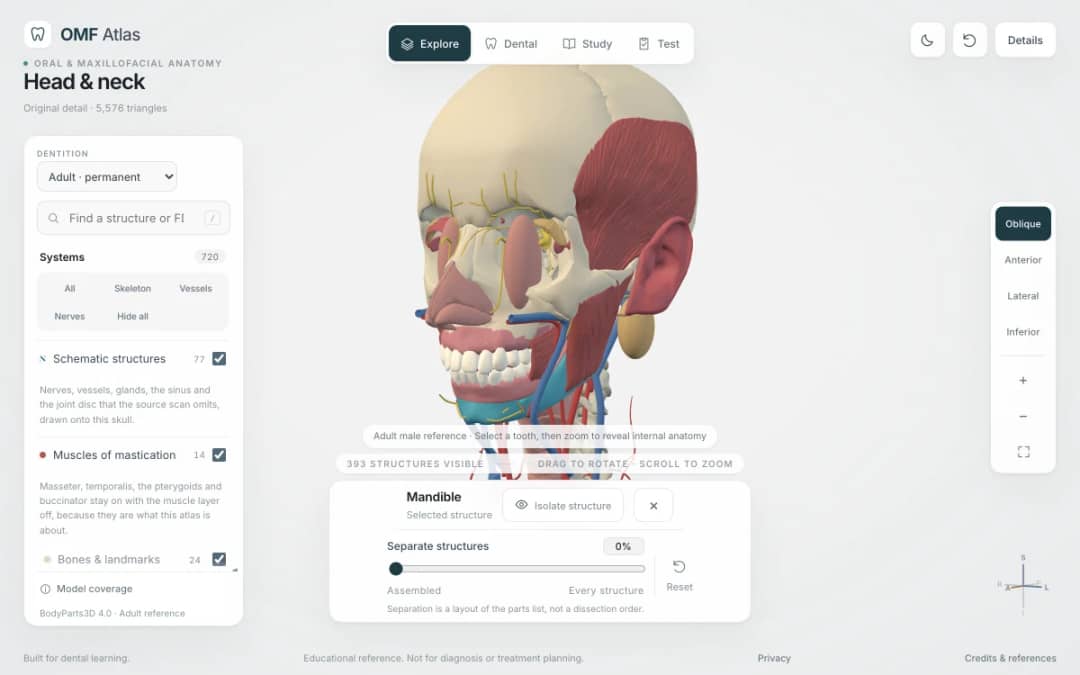
Explore the head and neck in 3D: 643 source meshes across 14 layers, 47 facial and masticatory muscles, and 77 drawn nerves, vessels and glands the source scan omits. Open any tooth onto its own pulp canal, and follow the seven stages of tooth development.

Free interactive photosynthesis simulation. Explore photosynthesis hands-on online — great for whole-class or independent practice.

Free interactive states of matter simulation. Explore states of matter hands-on online — great for whole-class or independent practice.

Free interactive shadows simulation. Explore shadows hands-on online — great for whole-class or independent practice.
من النموذج إلى الدليل
استخدم ورقة عمل لتدوين التوقعات والملاحظات والتفسيرات بعد أن يستكشف الطلاب.
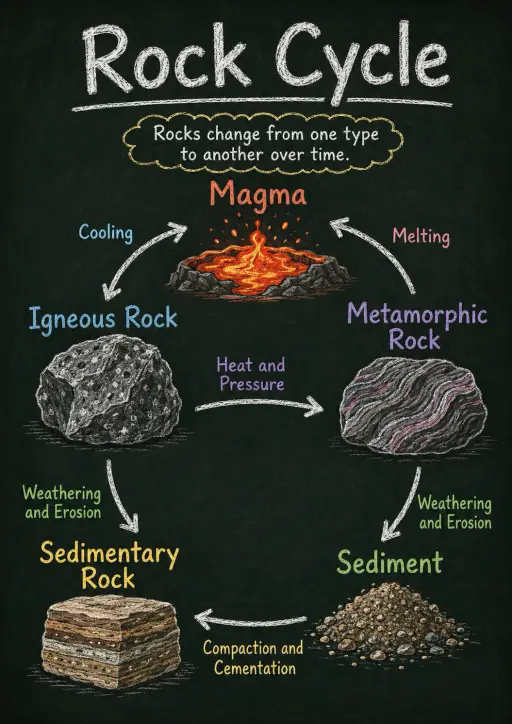
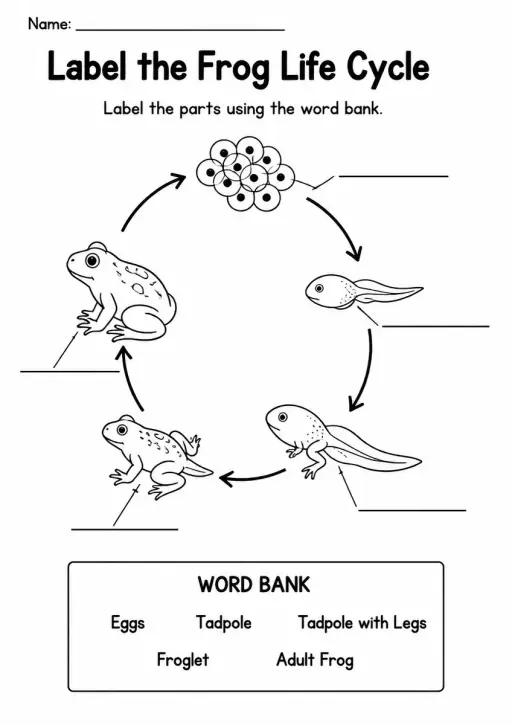
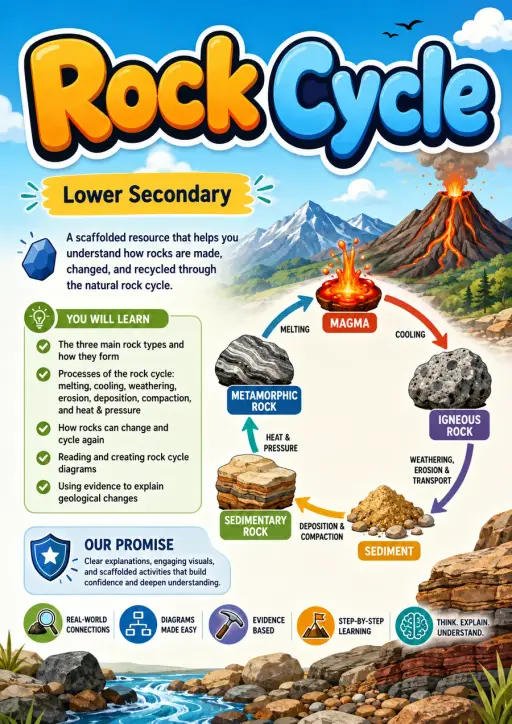


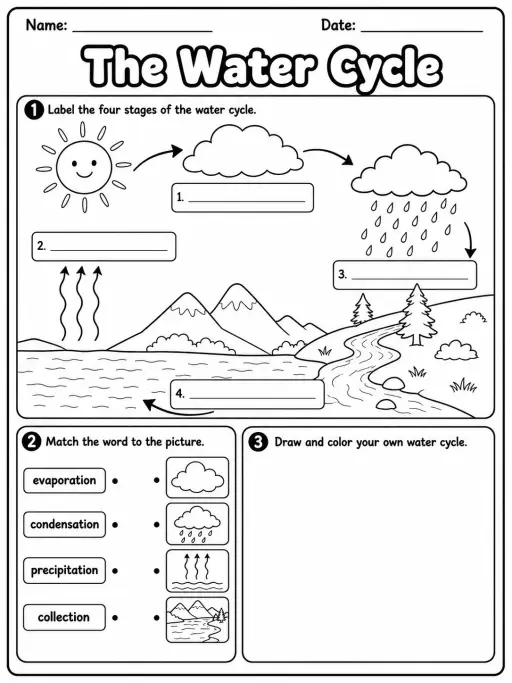
مساحة المعلم المجانية في KiwiBee تجمع تخطيط الدروس وأوراق العمل وأدوات الصف وسجل الدرجات في مكان واحد.
ابدأ مجانًا وأنشئ صفك الأول الرئيسية
 كل الحلول
 الأسعار
 من نحن
 برنامج KiwiBee للمنظمات غير الربحية
 الفعاليات والندوات
 للمؤسسات الكبيرة
 للمدارس
 للمراكز التعليمية
 لقادة الفرق
 للمعلمين
 الذكاء الاصطناعي والموارد
 الموارد
 أوراق عمل قابلة للطباعة
 حزم الدروس
 محاكاة تفاعلية
 أدوات المعلم
 استوديو الذكاء الاصطناعي
 أفكار وأبحاث