
Explore an adult male reference body in 3D. Reveal 14 anatomical systems, search thousands of named structures, isolate organs, and pull 2,209 modeled pieces apart to see how the body is organized.
—
KiwiBee بالغ وزیٹرز کو سمجھنے، مکمل ہونے والے سائن اپس کی پیمائش کرنے اور مہمات کو بہتر بنانے کے لیے Google Analytics، Google Ads اور Meta Pixel کی اختیاری کوکیز استعمال کرتا ہے۔ ضروری کوکیز ہمیشہ فعال رہتی ہیں۔ OpenAI کا ChatGPT Ads Pixel اشتہارات کی رضامندی کے بعد صفحات کے مشاہدات اور بھیجی گئی درخواستیں بھی ناپتا ہے اور مماثلت کے لیے ہیش کی گئی رابطہ معلومات استعمال کر سکتا ہے۔ رازداری کی پالیسی
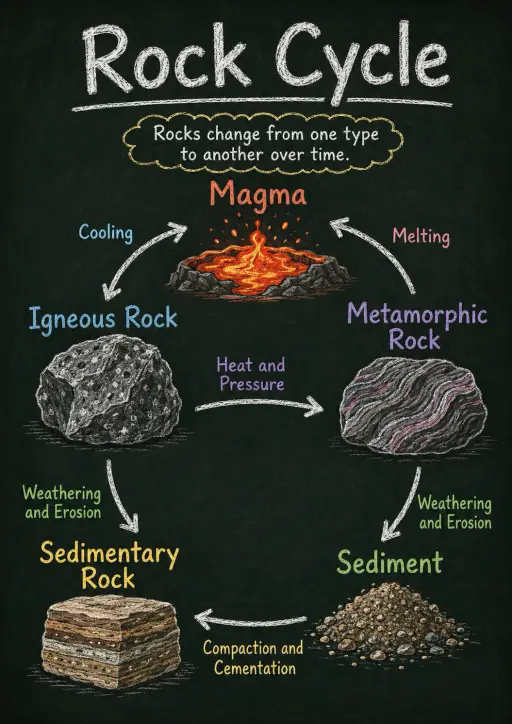
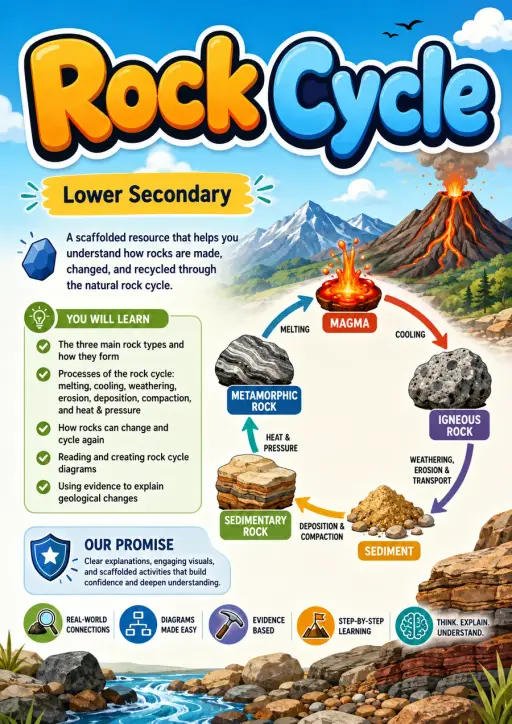
The Rock Cycle 3D Lab links large-scale tectonic and surface processes in Earth's crust to the microscopic mineral textures of rocks. On the left, a 3D geological cross-section features a glowing underground magma pluton, an erupting volcano cone, a layered sedimentary basin, and a deep metamorphic heat-and-pressure zone. On the right, a rotating 3D rock specimen inside a magnifier ring displays procedural mineral textures for coarse intrusive Granite, fine extrusive Basalt, layered clastic Sandstone, and banded foliated Gneiss. Students drag the specimen marker between crust stations or adjust depth and cooling/pressure sliders to see real-time changes in temperature, pressure, and crystal texture.
Granite forms from magma trapped deep underground where surrounding rock insulates it, allowing crystals thousands of years to grow large. Basalt forms from lava extruded onto Earth's surface that chills rapidly before large crystals can form.
Yes. Igneous, sedimentary, or metamorphic rocks uplifted to the surface can weather into sediment to become sedimentary rock, be buried and heated into metamorphic rock, or melt completely into magma to cool into new igneous rock.
Metamorphic rocks recrystallise and align their minerals in the solid state under high heat and directed pressure without melting. Once a rock melts completely into magma or lava, any rock that solidifies from it is classified as igneous.
اسے اپنے ایل ایم ایس، بلاگ یا کلاس کی ویب سائٹ پر لگائیں — مفت۔
<iframe src="https://kiwibee.io/ur/simulations/rock-cycle-minerals-3d-3d-simulation/embed" title="The Rock Cycle 3D Lab | KiwiBee" loading="lazy" allowfullscreen style="width:100%;height:min(70vh,620px);min-height:420px;border:0;border-radius:16px"></iframe>دریافت جاری رکھیں
Explore an adult male reference body in 3D. Reveal 14 anatomical systems, search thousands of named structures, isolate organs, and pull 2,209 modeled pieces apart to see how the body is organized.
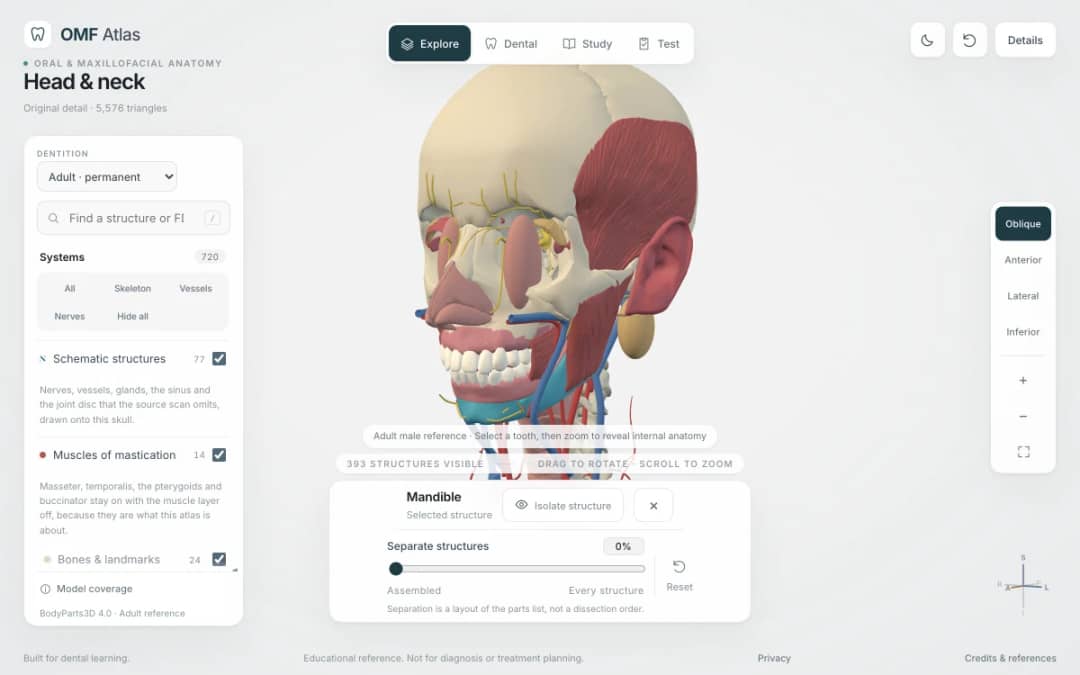
Explore the head and neck in 3D: 643 source meshes across 14 layers, 47 facial and masticatory muscles, and 77 drawn nerves, vessels and glands the source scan omits. Open any tooth onto its own pulp canal, and follow the seven stages of tooth development.

Free interactive photosynthesis simulation. Explore photosynthesis hands-on online — great for whole-class or independent practice.

Free interactive states of matter simulation. Explore states of matter hands-on online — great for whole-class or independent practice.

Free interactive shadows simulation. Explore shadows hands-on online — great for whole-class or independent practice.
ماڈل سے شواہد تک
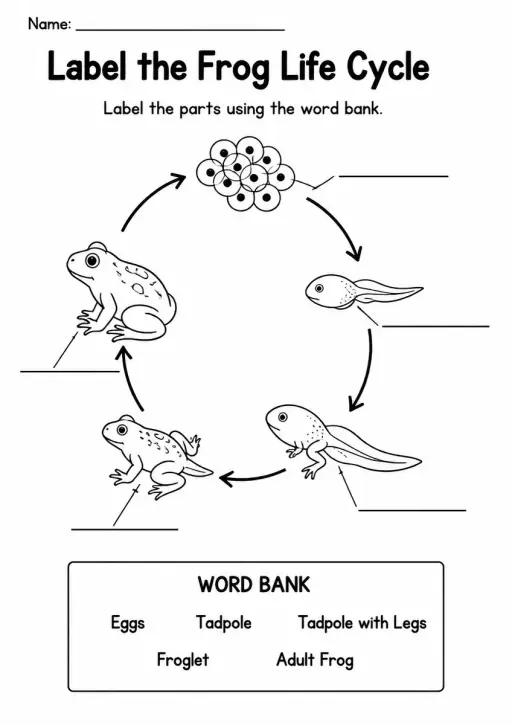
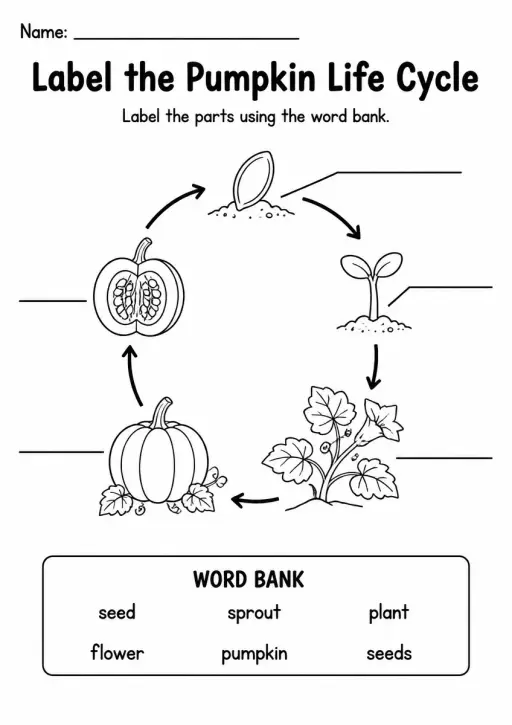
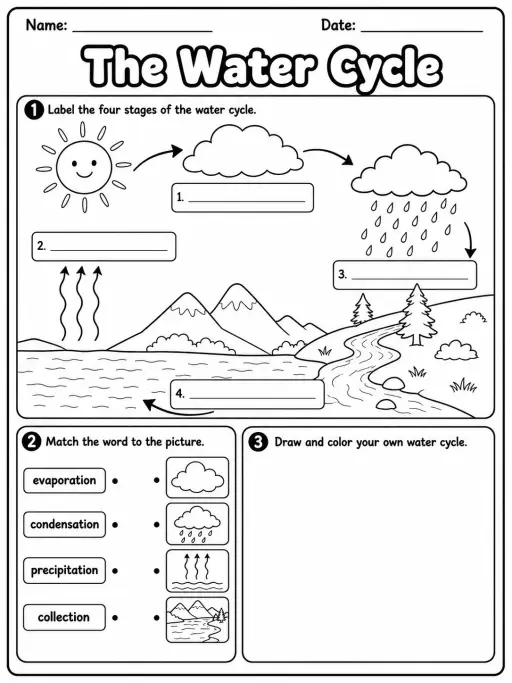
طلبہ کے دریافت کرنے کے بعد ان کے اندازے، مشاہدات اور وضاحتیں لکھوانے کے لیے ورک شیٹ استعمال کریں۔

KiwiBee کا مفت اساتذہ ورک اسپیس سبق کی منصوبہ بندی، ورک شیٹس، کلاس روم اوزار اور گریڈ بک کو ایک ہی جگہ لے آتا ہے۔
مفت شروع کریں اور اپنی پہلی کلاس بنائیں ہوم
 تمام حل
 قیمتیں
 ہمارے بارے میں
 غیر منافع بخش اداروں کے لیے KiwiBee
 تقریبات اور ویبینارز
 بڑے اداروں کے لیے
 اسکولوں کے لیے
 تعلیمی مراکز کے لیے
 ٹیم لیڈرز کے لیے
 اساتذہ کے لیے
 AI اور وسائل
 وسائل
 قابلِ طباعت ورک شیٹس
 سبق پیکس
 تعاملی سمیولیشنز
 اساتذہ کے اوزار
 AI اسٹوڈیو
 خیالات اور تحقیق