
Train a small neural network in your browser. Change data, hidden layers and learning rate, then compare its decision boundary, training loss and test loss.
—
KiwiBee بالغ وزیٹرز کو سمجھنے، مکمل ہونے والے سائن اپس کی پیمائش کرنے اور مہمات کو بہتر بنانے کے لیے Google Analytics، Google Ads اور Meta Pixel کی اختیاری کوکیز استعمال کرتا ہے۔ ضروری کوکیز ہمیشہ فعال رہتی ہیں۔ OpenAI کا ChatGPT Ads Pixel اشتہارات کی رضامندی کے بعد صفحات کے مشاہدات اور بھیجی گئی درخواستیں بھی ناپتا ہے اور مماثلت کے لیے ہیش کی گئی رابطہ معلومات استعمال کر سکتا ہے۔ رازداری کی پالیسی
This simulation shows a real three-five-five-two neural network doing a forward pass. Each neuron adds its weighted inputs and a bias, then squashes the result with the tanh function. Students move three input sliders and see the signals flow through, with cyan connections for positive weights, orange for negative, and neuron color and size showing activation. A button randomizes the weights. The weights are not trained, so the focus is on how the arithmetic works, which makes it an approachable first look at how machine learning models compute.
Yes. It is free and runs in any modern browser, including whiteboards and tablets. There is no sign-up.
No. The weights are random, so the outputs do not mean anything specific. The aim is to show exactly how a network turns inputs into outputs, using the same arithmetic that trained networks use.
Tanh squashes any number into the range from minus 1 to 1. This keeps each neuron output bounded and lets the network represent more than simple straight-line relationships.
Drag the three input sliders and watch the colors and outputs update. Press Randomise weights to create a new network with the same shape.
اسے اپنے ایل ایم ایس، بلاگ یا کلاس کی ویب سائٹ پر لگائیں — مفت۔
<iframe src="https://kiwibee.io/ur/simulations/neural-network-3d-simulation/embed" title="Neural Network | KiwiBee" loading="lazy" allowfullscreen style="width:100%;height:min(70vh,620px);min-height:420px;border:0;border-radius:16px"></iframe>دریافت جاری رکھیں
Train a small neural network in your browser. Change data, hidden layers and learning rate, then compare its decision boundary, training loss and test loss.
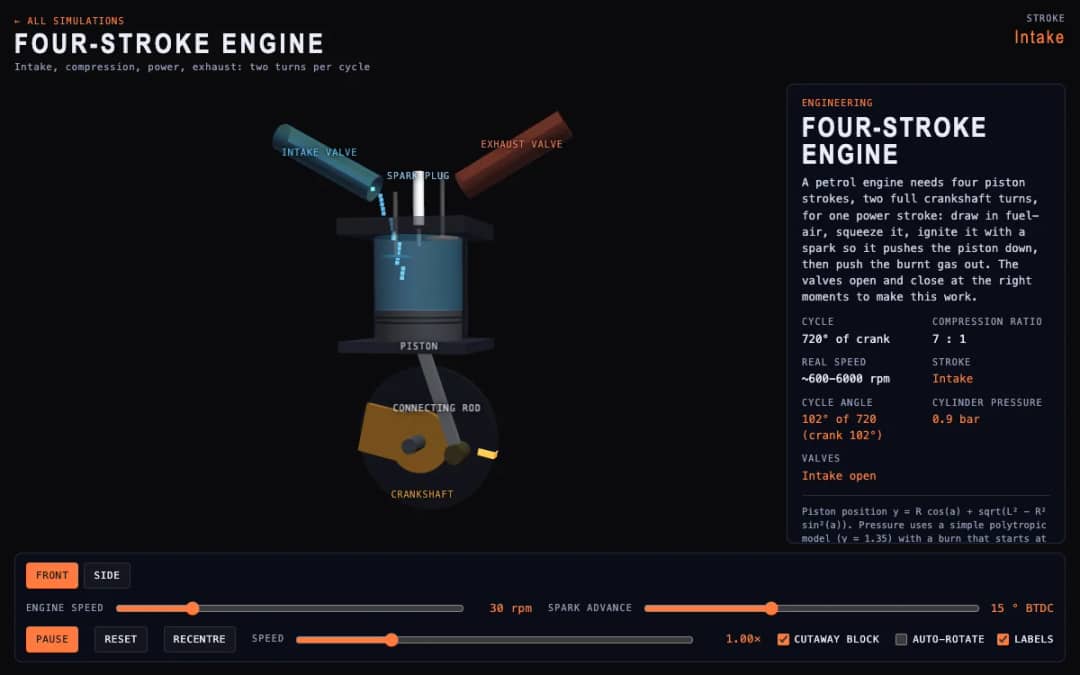
A cutaway engine cylinder shows the piston, valves and spark through the four strokes of the cycle. Students change engine speed and spark advance and watch the stroke, cycle angle, cylinder pressure and valve states update.
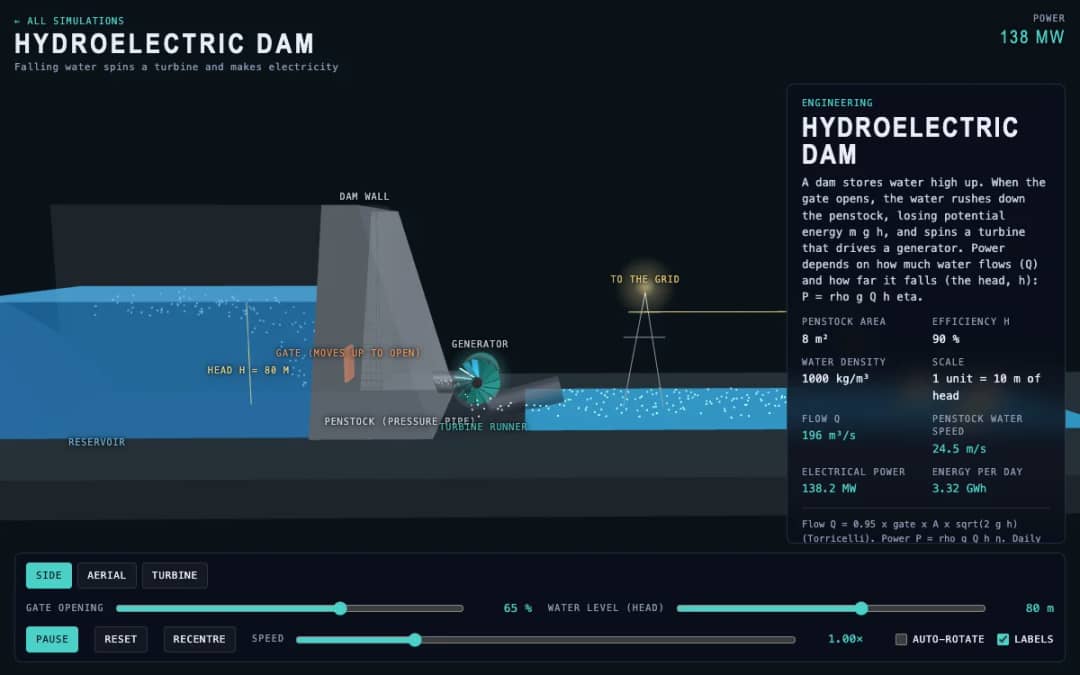
A dam, penstock and turbine are shown in 3D. Students change the gate opening and the water level, called the head, and read the water flow, penstock water speed, electrical power and energy per day.
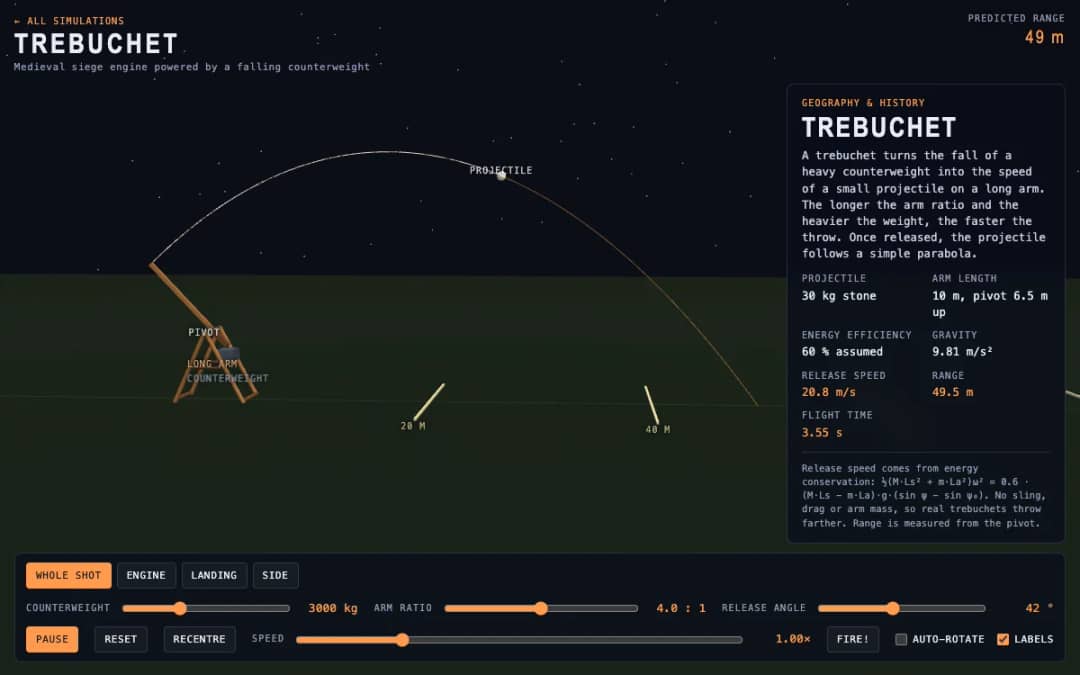
A medieval trebuchet swings its arm in 3D and throws a stone. Students change the counterweight mass, arm ratio and release angle, press Fire, and read the release speed, range and flight time.
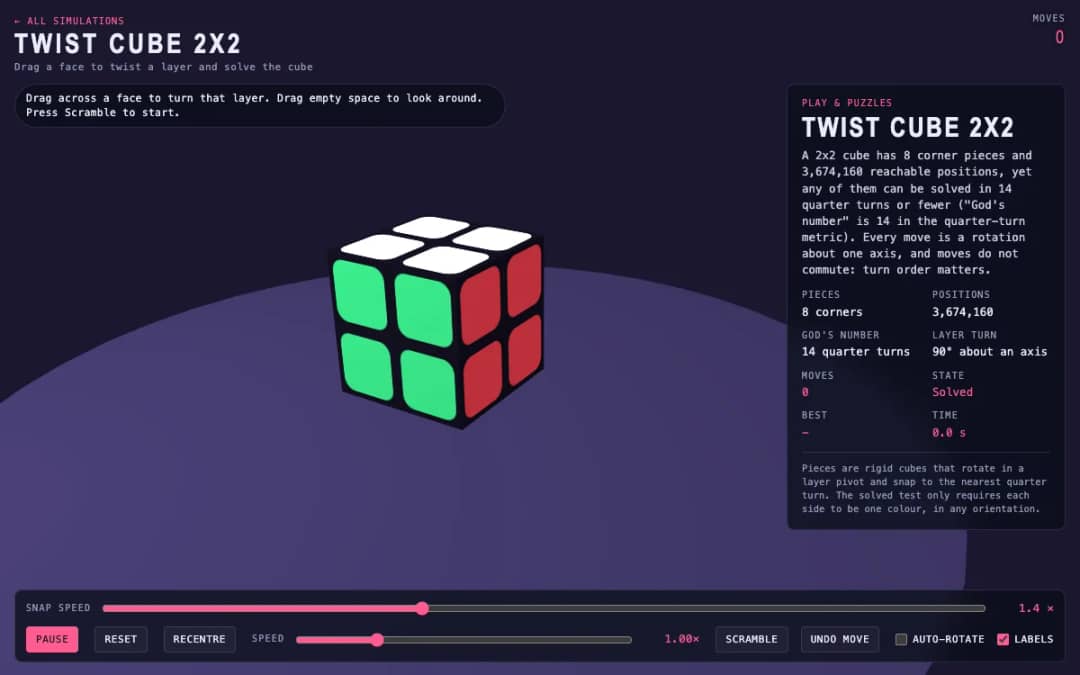
A 3D pocket cube with colored faces sits on screen. Students drag across a face to turn a layer, press Scramble to mix it, and try to solve it while the move counter and timer run.
KiwiBee کا مفت اساتذہ ورک اسپیس سبق کی منصوبہ بندی، ورک شیٹس، کلاس روم اوزار اور گریڈ بک کو ایک ہی جگہ لے آتا ہے۔
مفت شروع کریں اور اپنی پہلی کلاس بنائیں ہوم
 تمام حل
 قیمتیں
 ہمارے بارے میں
 غیر منافع بخش اداروں کے لیے KiwiBee
 تقریبات اور ویبینارز
 بڑے اداروں کے لیے
 اسکولوں کے لیے
 تعلیمی مراکز کے لیے
 ٹیم لیڈرز کے لیے
 اساتذہ کے لیے
 AI اور وسائل
 وسائل
 قابلِ طباعت ورک شیٹس
 سبق پیکس
 تعاملی سمیولیشنز
 اساتذہ کے اوزار
 AI اسٹوڈیو
 خیالات اور تحقیق