
Explore an adult male reference body in 3D. Reveal 14 anatomical systems, search thousands of named structures, isolate organs, and pull 2,209 modeled pieces apart to see how the body is organized.
—
KiwiBee uses optional Google Analytics, Google Ads, and Meta Pixel cookies to understand adult visitors, measure completed sign-ups, and improve campaigns. Essential cookies always stay on. OpenAI’s ChatGPT Ads Pixel also measures page views and completed enquiries after advertising consent, and may use hashed contact details for matching. Privacy policy
Explore sunflower parts in an interactive 3D model. Discover roots, stems, leaves, flowers and seeds, then match their labels in a primary science game. Roots: Roots anchor the plant and absorb water and minerals from the soil. They are shown without soil so you can see their branching shape. Stem: The stem supports the leaves and flower head. Tubes inside it carry water, minerals, and sugars between different parts of the plant. Leaves: Leaves use light, water, and carbon dioxide to make sugars through photosynthesis. Their veins move materials and support the leaf. Petals: The yellow shapes around the edge are the petal-like parts of ray florets. Their bright colour helps attract pollinators. Flower head: The head holds many tiny florets. Central disk florets contain the reproductive parts where pollination can lead to seeds developing. Seeds: After pollination and fertilisation, seeds develop in the head. Each familiar sunflower 'seed' has a dry fruit wall, or shell, around the seed inside.
Drag to rotate, scroll or pinch to zoom, and select a body part to read its name and function. The labelled list also supports keyboard navigation.
Choose Match labels. Connect each label to its matching dot on the model. Drag a line, or tap a label and then a dot. Correct connections stay visible until every label is matched.
This is a simplified model for learning the main external parts. It does not show every structure, internal anatomy, or natural variation.
ដាក់វាចូលទៅក្នុង LMS ប្លក់ ឬគេហទំព័រថ្នាក់រៀនរបស់អ្នក — ឥតគិតថ្លៃ។
<iframe src="https://kiwibee.io/km/simulations/sunflower-plant-parts-3d-simulation/embed" title="Sunflower: plant parts in 3D | KiwiBee" loading="lazy" allowfullscreen style="width:100%;height:min(70vh,620px);min-height:420px;border:0;border-radius:16px"></iframe>បន្តស្វែងរក
Explore an adult male reference body in 3D. Reveal 14 anatomical systems, search thousands of named structures, isolate organs, and pull 2,209 modeled pieces apart to see how the body is organized.
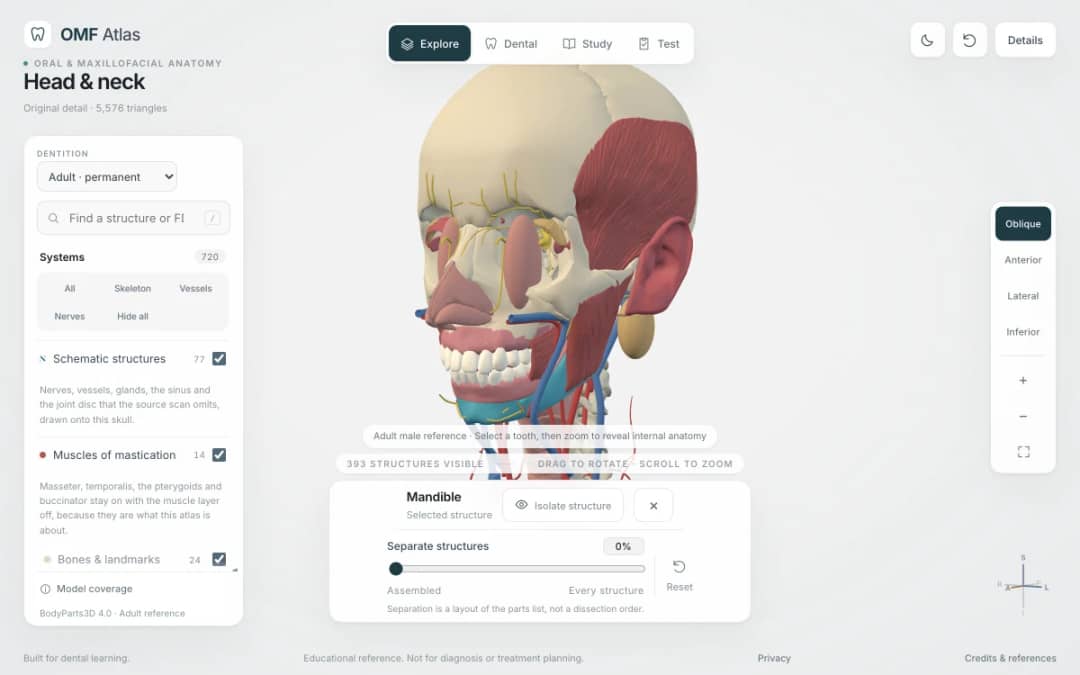
Explore the head and neck in 3D: 643 source meshes across 14 layers, 47 facial and masticatory muscles, and 77 drawn nerves, vessels and glands the source scan omits. Open any tooth onto its own pulp canal, and follow the seven stages of tooth development.

Free interactive photosynthesis simulation. Explore photosynthesis hands-on online — great for whole-class or independent practice.

Free interactive states of matter simulation. Explore states of matter hands-on online — great for whole-class or independent practice.

Free interactive shadows simulation. Explore shadows hands-on online — great for whole-class or independent practice.
ពីម៉ូដែលទៅភស្តុតាង
ប្រើសន្លឹកកិច្ចការដើម្បីកត់ត្រាការព្យាករណ៍ ការសង្កេត និងការពន្យល់ បន្ទាប់ពីសិស្សបានស្វែងយល់។
ទីតាំងការងារសម្រាប់គ្រូដោយឥតគិតថ្លៃ KiwiBee នាំមកនូវការរៀបចំមេរៀន សន្លឹកកិច្ចការ ឧបករណ៍ក្នុងថ្នាក់ និងសៀវភៅពិន្ទុ ទាំងអស់នៅកន្លែងតែមួយ។
ចាប់ផ្តើមឥតគិតថ្លៃ និងបង្កើតថ្នាក់ដំបូងរបស់អ្នក ទំព័រដើម
 ដំណោះស្រាយទាំងអស់
 តម្លៃ
 អំពីយើង
 KiwiBee សម្រាប់អង្គការមិនស្វែងរកប្រាក់ចំណេញ
 ព្រឹត្តិការណ៍ និងសិក្ខាសាលាអនឡាញ
 សម្រាប់អង្គភាពធំ
 សម្រាប់សាលារៀន
 សម្រាប់មជ្ឈមណ្ឌល
 សម្រាប់ប្រធានក្រុម
 សម្រាប់គ្រូ
 AI និងធនធាន
 ធនធាន
 សន្លឹកកិច្ចការសម្រាប់បោះពុម្ព
 កញ្ចប់មេរៀន
 ការពិសោធន៍និម្មិតអន្តរកម្ម
 ឧបករណ៍គ្រូ
 ស្ទូឌីយ៉ូ AI
 គំនិត និងការស្រាវជ្រាវ