
Cow: body parts in 3D
- ជីវវិទ្យា
មតិយោបល់
ទាក់ទងនឹងការពិសោធន៍និម្មិតនេះ
ជ្រើសតាមន័យពីហ្គេម សន្លឹកកិច្ចការ ការពិសោធន៍និម្មិត ឧបករណ៍គ្រូ និងវីដេអូ។
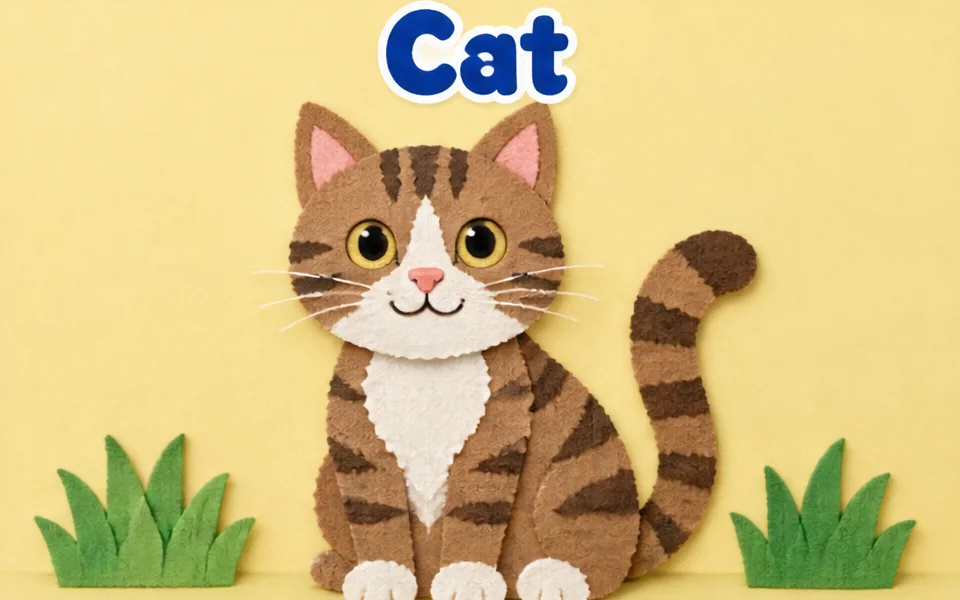 ការពិសោធន៍និម្មិតCat: body parts in 3D
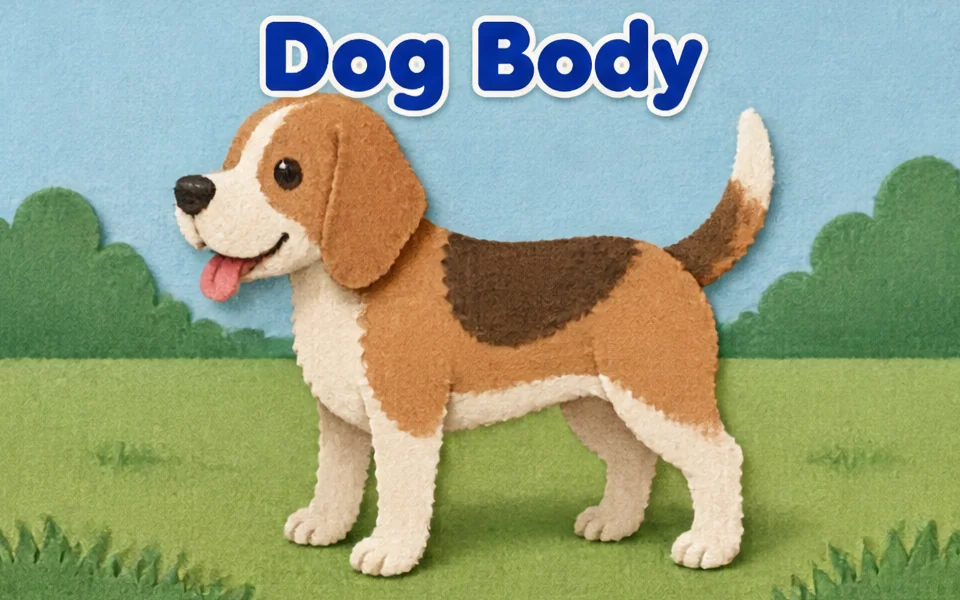 ការពិសោធន៍និម្មិតDog: body parts in 3D
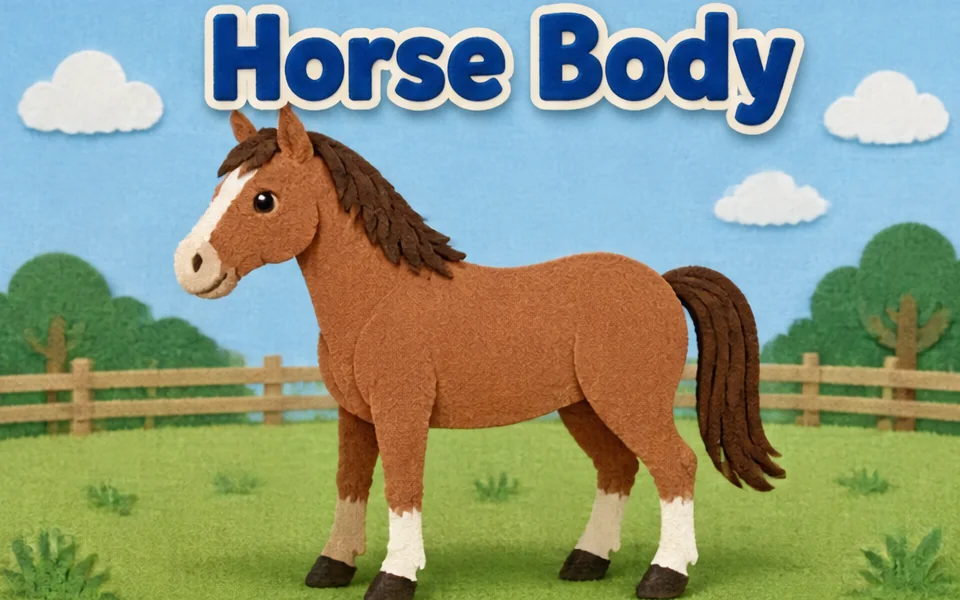 ការពិសោធន៍និម្មិតHorse: body parts in 3D
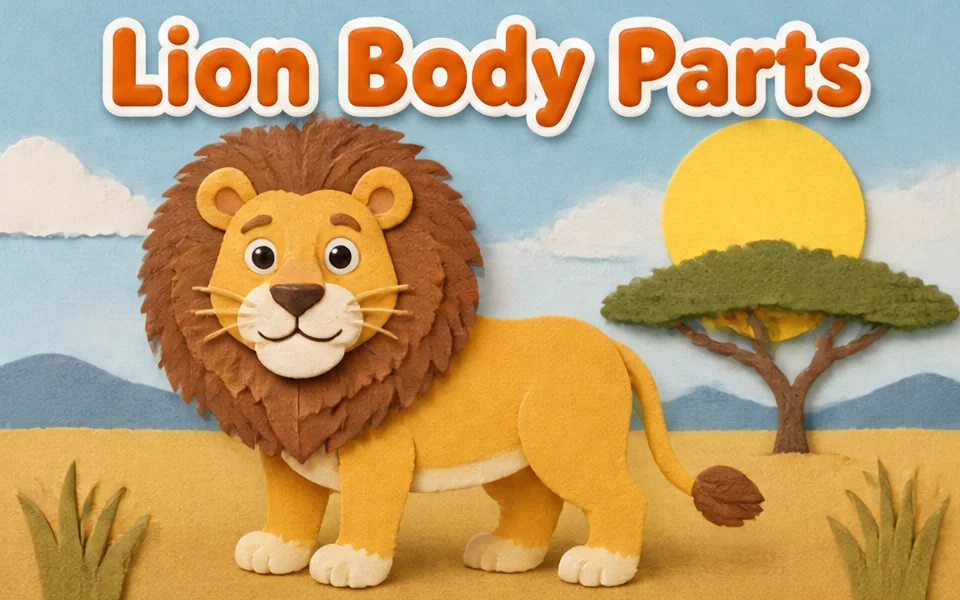 ការពិសោធន៍និម្មិតLion: body parts in 3D
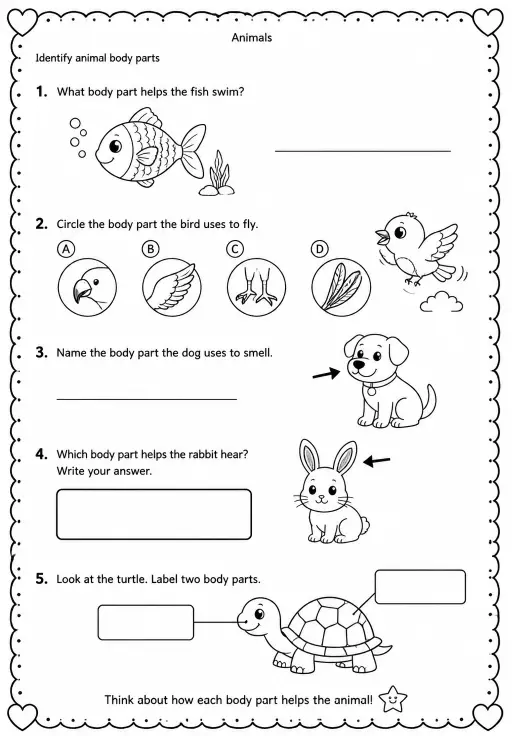 សន្លឹកកិច្ចការIdentify animal body parts
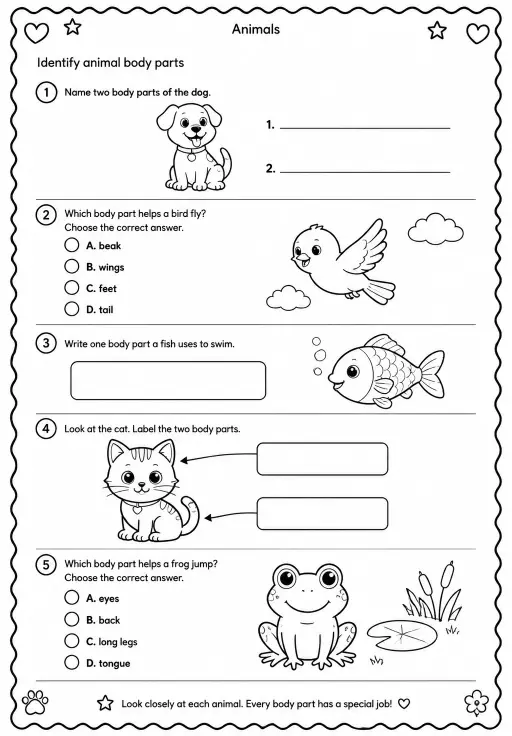 សន្លឹកកិច្ចការIdentify animal body parts
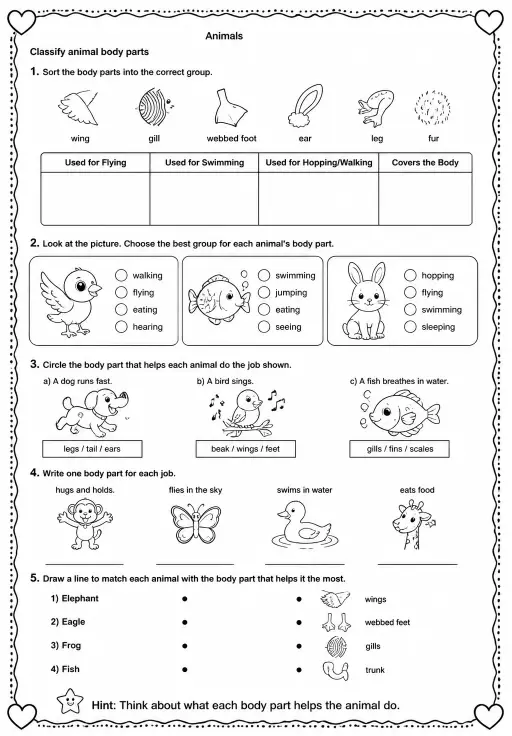 សន្លឹកកិច្ចការClassify animal body parts
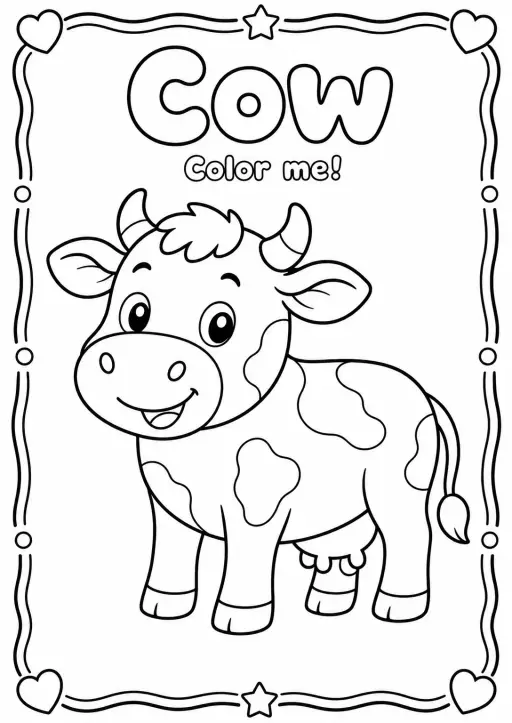 សន្លឹកកិច្ចការCow Coloring Pages
អំពីការពិសោធន៍និម្មិតនេះ
Explore Cow body parts in an interactive 3D model. Rotate, select labels, learn each part’s role, and play a matching game for primary science. Head: The head holds the brain, sense organs and the jaws used to chew food. Ears: Movable ears help cattle listen to sounds around them. Eyes: Side-facing eyes give cattle a wide view of their surroundings. Nose: The broad nose detects smells and takes in air through two nostrils. Mouth: The tongue gathers grass and the teeth grind food and cud. Horns: Some cattle have horns used for defence and contests; other cattle naturally have none. Body: The body holds organs including a stomach with four compartments. Legs: Four sturdy legs support the animal as it stands and walks. Hooves: Each cloven hoof has two main weight-bearing toes. Tail: The tail's hairy tip helps swat flies away.
អ្វីដែលសិស្សអាចស្វែងរកបាន
- Head: The head holds the brain, sense organs and the jaws used to chew food.
- Ears: Movable ears help cattle listen to sounds around them.
- Eyes: Side-facing eyes give cattle a wide view of their surroundings.
- Nose: The broad nose detects smells and takes in air through two nostrils.
- Mouth: The tongue gathers grass and the teeth grind food and cud.
- Horns: Some cattle have horns used for defence and contests; other cattle naturally have none.
- Body: The body holds organs including a stomach with four compartments.
- Legs: Four sturdy legs support the animal as it stands and walks.
- Hooves: Each cloven hoof has two main weight-bearing toes.
- Tail: The tail's hairy tip helps swat flies away.
គោលបំណងសិក្សា
- 1Identify the main parts of the Cow.
- 2Connect each part with its function.
- 3Match labels to the correct parts of the 3D model.
សំណួរដែលគ្រូតែងសួរ
How can students explore this 3D model?
Drag to rotate, scroll or pinch to zoom, and select a body part to read its name and function. The labelled list also supports keyboard navigation.
How does the label-matching game work?
Choose Match labels. Connect each label to its matching dot on the model. Drag a line, or tap a label and then a dot. Correct connections stay visible until every label is matched.
Is this a detailed medical or biological model?
This is a simplified model for learning the main external parts. It does not show every structure, internal anatomy, or natural variation.
បញ្ចូលការពិសោធន៍និម្មិតនេះ
ដាក់វាចូលទៅក្នុង LMS ប្លក់ ឬគេហទំព័រថ្នាក់រៀនរបស់អ្នក — ឥតគិតថ្លៃ។
<iframe src="https://kiwibee.io/km/simulations/cow-body-parts-3d-simulation/embed" title="Cow: body parts in 3D | KiwiBee" loading="lazy" allowfullscreen style="width:100%;height:min(70vh,620px);min-height:420px;border:0;border-radius:16px"></iframe>ស្តង់ដារកម្មវិធីសិក្សា
Cambridge
- 3Bs.02Identify the distinguishing features of different groups of animals, including fish, reptiles, mammals, birds, amphibians and insectsCambridge Primary Science (0097) — Stage 3 › Biology › Structure and function
Learning objectives © UCLES (Cambridge University Press & Assessment), quoted with attribution.
នាំវិទ្យាសាស្ត្រអន្តរកម្មចូលក្នុងថ្នាក់រៀនរបស់អ្នក
ទីតាំងការងារសម្រាប់គ្រូដោយឥតគិតថ្លៃ KiwiBee នាំមកនូវការរៀបចំមេរៀន សន្លឹកកិច្ចការ ឧបករណ៍ក្នុងថ្នាក់ និងសៀវភៅពិន្ទុ ទាំងអស់នៅកន្លែងតែមួយ។
ចាប់ផ្តើមឥតគិតថ្លៃ និងបង្កើតថ្នាក់ដំបូងរបស់អ្នកមើល KiwiBee នៅលើ YouTube
វីដេអូខ្លីៗរបស់ KiwiBee សម្រាប់គ្រូ និងសាលារៀន។ ជាវឆានែល ឬតាមដាន KiwiBee គ្រប់ទីកន្លែង។
 ទំព័រដើម
 ដំណោះស្រាយទាំងអស់
 តម្លៃ
 អំពីយើង
 KiwiBee សម្រាប់អង្គការមិនស្វែងរកប្រាក់ចំណេញ
 ព្រឹត្តិការណ៍ និងសិក្ខាសាលាអនឡាញ
 សម្រាប់អង្គភាពធំ
 សម្រាប់សាលារៀន
 សម្រាប់មជ្ឈមណ្ឌល
 សម្រាប់ប្រធានក្រុម
 សម្រាប់គ្រូ
 ធនធាន
 សន្លឹកកិច្ចការសម្រាប់បោះពុម្ព
 ការពិសោធន៍និម្មិតអន្តរកម្ម
 ឧបករណ៍គ្រូ
 គំនិត និងការស្រាវជ្រាវ


