
Explore an adult male reference body in 3D. Reveal 14 anatomical systems, search thousands of named structures, isolate organs, and pull 2,209 modeled pieces apart to see how the body is organized.
—
KiwiBee menggunakan cookie opsional dari Google Analytics, Google Ads, dan Meta Pixel untuk memahami pengunjung dewasa, mengukur pendaftaran yang selesai, dan meningkatkan kampanye. Cookie penting selalu aktif. Pixel iklan ChatGPT OpenAI juga mengukur tampilan halaman dan pertanyaan yang telah dikirim setelah persetujuan iklan, serta dapat menggunakan detail kontak yang di-hash untuk pencocokan. Kebijakan privasi
Students drag the three stations or the red earthquake across a map where one square equals 10 km. Each ring shows the distance a station works out from the delay between P and S waves. Sliders set P speed, S speed and timing noise, a toggle hides or shows the quake, and New random quake sets a fresh puzzle. Students place the green pin at the crossing point and read the Guess error. It shows why one station gives only a circle and three stations pinpoint an epicentre.
Yes. Epicentre Triangulation is free and needs no sign-up. It runs in any modern browser, including interactive whiteboards, tablets and phones, so you can open it straight from a lesson link.
One station only gives a distance, so the quake could be anywhere on a circle. Two circles cross at two points, and a third circle picks out the single epicentre.
Drag the stations or the red quake around the map, then drag the green pin to where the rings meet. Press New random quake for another puzzle.
P waves arrive first because they travel faster, around 6 km per second in the crust. S waves travel more slowly, around 3.5 km per second, so the gap grows with distance.
Pasang di LMS, blog, atau situs kelas Anda — gratis.
<iframe src="https://kiwibee.io/id/simulations/epicentre-triangulation-3d-simulation/embed" title="Epicentre Triangulation | KiwiBee" loading="lazy" allowfullscreen style="width:100%;height:min(70vh,620px);min-height:420px;border:0;border-radius:16px"></iframe>Lanjut menjelajah
Explore an adult male reference body in 3D. Reveal 14 anatomical systems, search thousands of named structures, isolate organs, and pull 2,209 modeled pieces apart to see how the body is organized.

Explore the head and neck in 3D: 643 source meshes across 14 layers, 47 facial and masticatory muscles, and 77 drawn nerves, vessels and glands the source scan omits. Open any tooth onto its own pulp canal, and follow the seven stages of tooth development.

Free interactive photosynthesis simulation. Explore photosynthesis hands-on online — great for whole-class or independent practice.

Free interactive states of matter simulation. Explore states of matter hands-on online — great for whole-class or independent practice.

Free interactive shadows simulation. Explore shadows hands-on online — great for whole-class or independent practice.
Dari model ke bukti
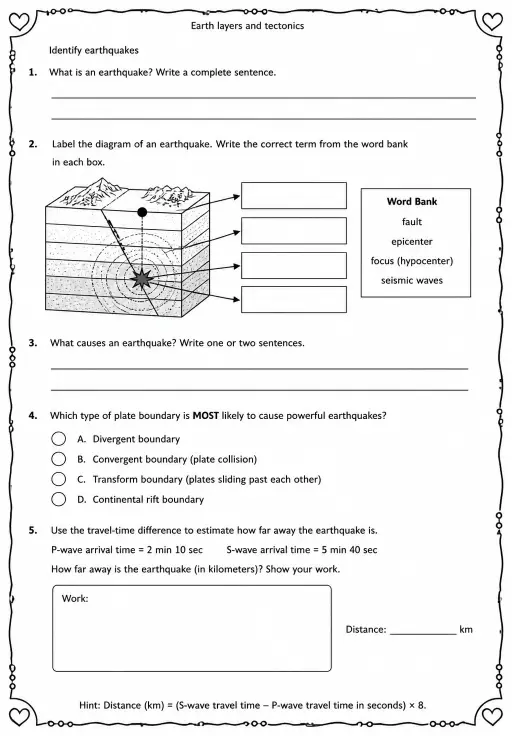
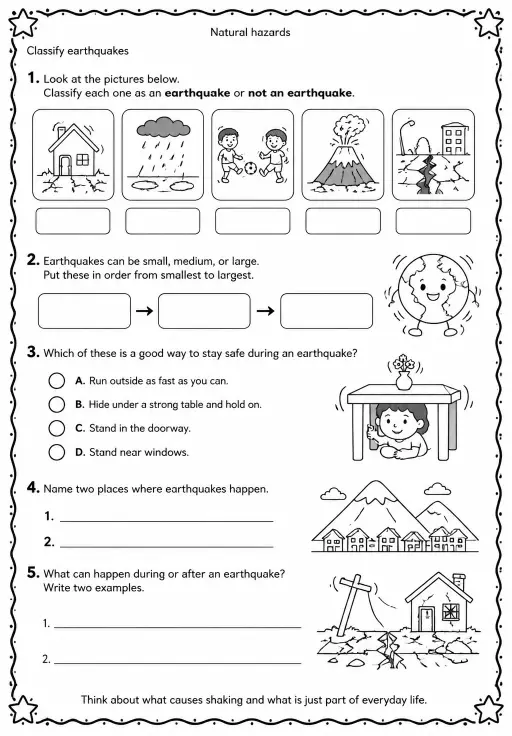
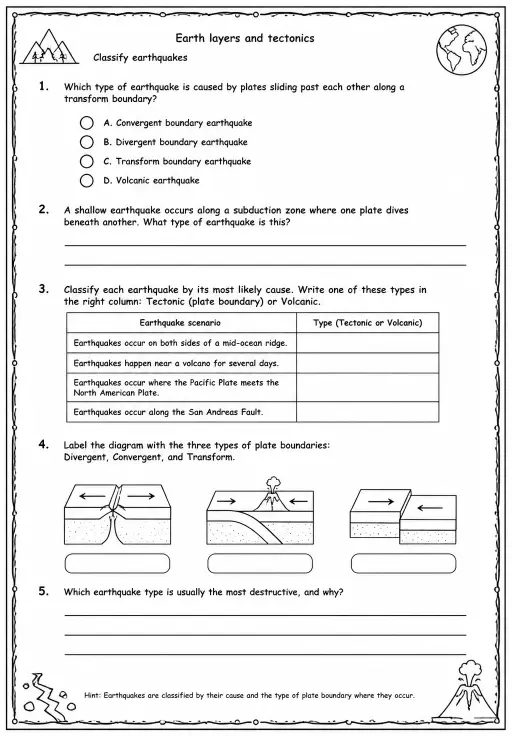
Gunakan lembar kerja untuk mencatat prediksi, pengamatan, dan penjelasan setelah siswa menjelajah.
Ruang kerja guru gratis dari KiwiBee menyatukan perencanaan pembelajaran, lembar kerja, perangkat kelas, dan buku nilai dalam satu tempat.
Mulai gratis dan buat kelas pertama Anda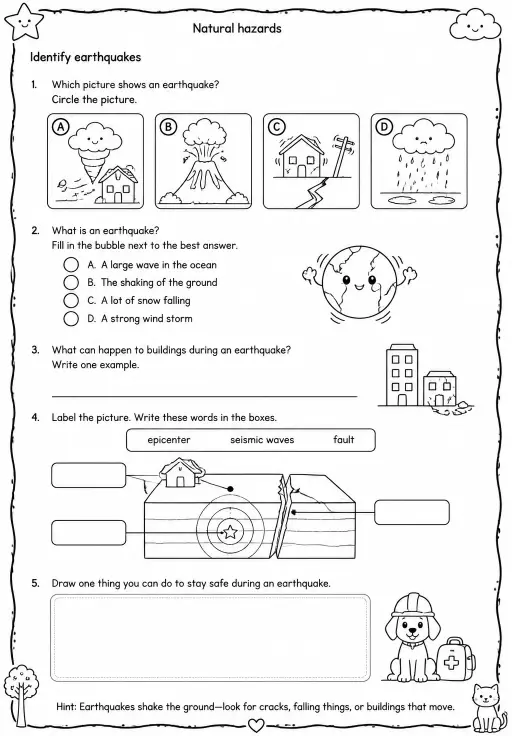
 Beranda
 Semua solusi
 Harga
 Tentang kami
 KiwiBee untuk Organisasi Nirlaba
 Acara & webinar
 Untuk organisasi besar
 Untuk sekolah
 Untuk lembaga kursus
 Untuk ketua tim
 Untuk guru
 AI dan sumber belajar
 Sumber belajar
 Lembar kerja siap cetak
 Paket Pelajaran
 Simulasi interaktif
 Alat untuk guru
 Studio AI
 Ide dan riset